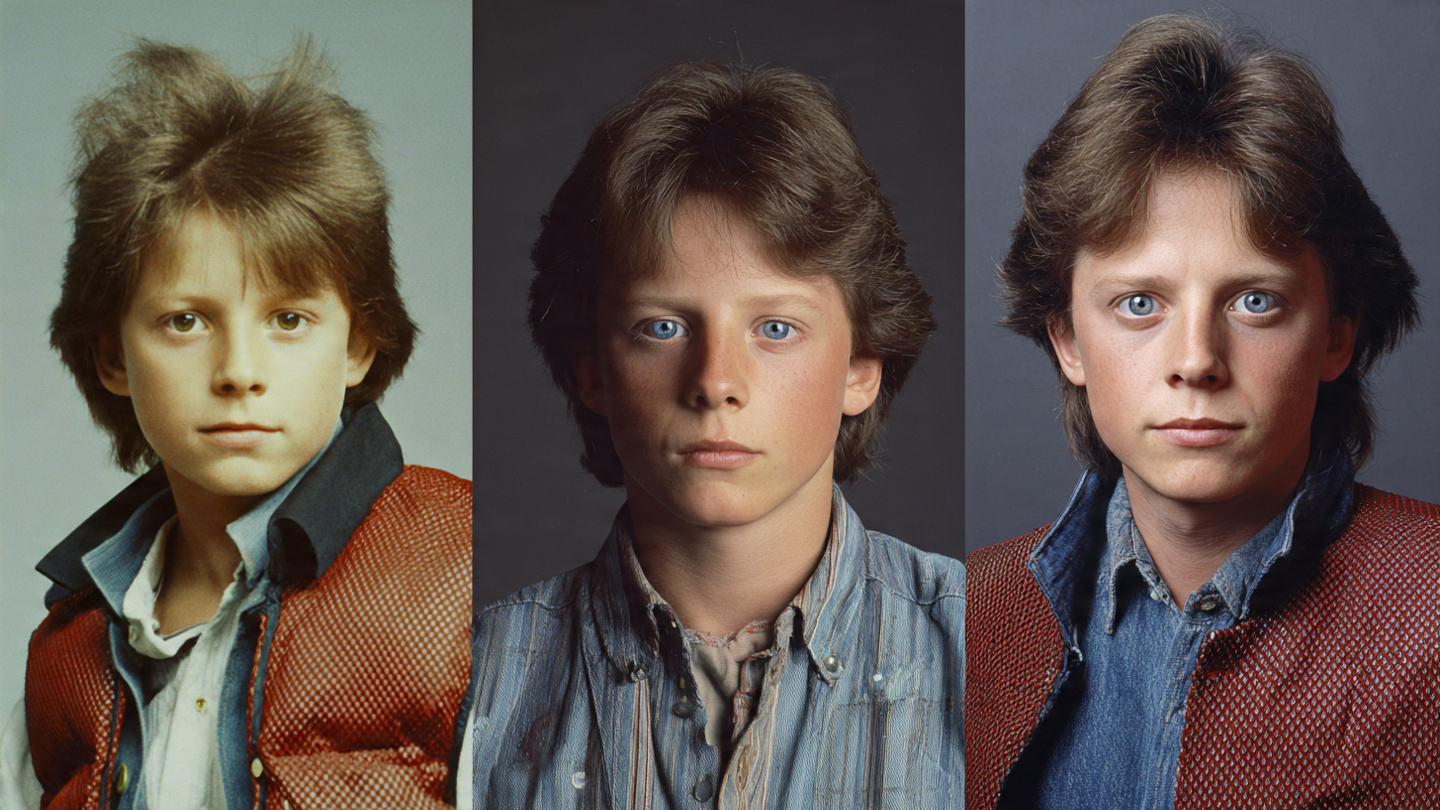
Michael J. Fox as Marty McFly: Youth Moving Faster Than the Room Could Hold
When Back to the Future first appeared, Michael J. Fox’s Marty McFly felt like motion itself. He moved quickly through bedrooms, garages, school hallways, and town squares, barely stopping long enough for the space to catch up with him. His room was cluttered but temporary, like he was already halfway out the door.
As younger viewers, Marty’s energy felt exciting. He belonged everywhere and nowhere at once. Watching now, that restlessness feels more emotional. Marty wasn’t trying to escape his town as much as he was trying to outrun uncertainty. Fox’s performance carries a lightness that hides how little control Marty actually has over where he lands.
Seeing Michael J. Fox today reshapes that memory. His warmth and resilience add gravity to the role without changing it. Marty now feels like a snapshot of a moment when life felt open-ended, before routines hardened into permanence.
For renters, this feeling lands quietly. Many recognize that phase of life when rooms feel like staging areas rather than destinations—places you pass through while figuring out what comes next.
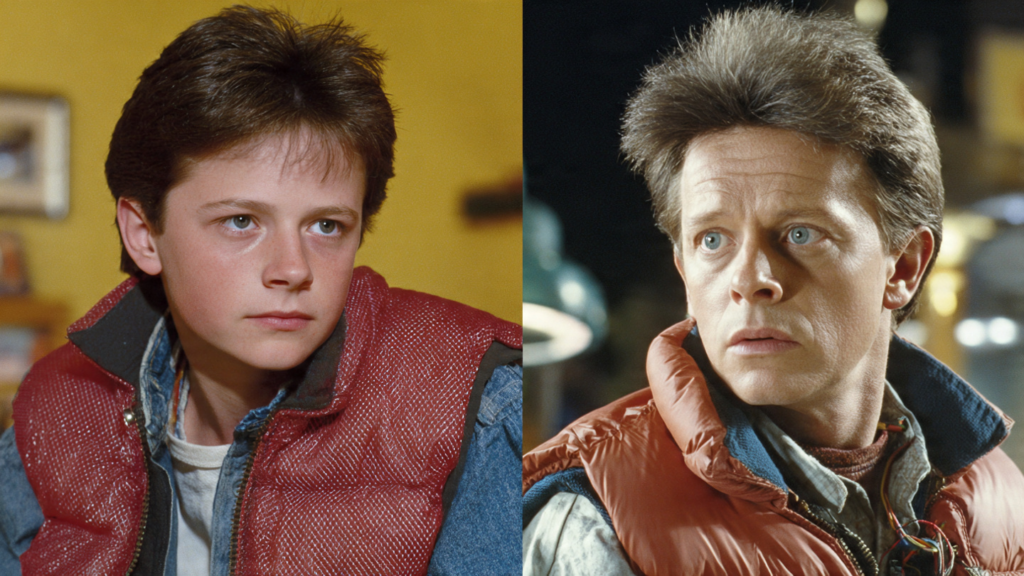
Marty didn’t settle into space. He moved through it, trusting momentum to carry him forward.
Christopher Lloyd as Doc Brown: A Mind That Turned Any Place Into a Workshop
Christopher Lloyd’s Doc Brown lived differently inside space. His house wasn’t calm or orderly—it buzzed with unfinished ideas. Cables crossed floors. Machines crowded corners. Rooms felt less like shelter and more like extension of thought.
As kids, Doc felt eccentric and loud. Watching now, his spaces feel deeply personal. Lloyd played Doc as someone whose mind never rested, and the rooms reflected that constant movement. The house didn’t need to be polished; it needed to function.
Seeing Lloyd today adds tenderness to Doc’s intensity. The character now feels less chaotic and more devoted—to curiosity, to friendship, to possibility. His spaces weren’t meant to impress; they were meant to hold imagination.
For renters, Doc’s environment feels oddly familiar. Sometimes a place feels right not because it’s neat or permanent, but because it allows creative mess to exist without apology.
Doc Brown reminds viewers that belonging can come from purpose, not perfection.
Lea Thompson as Lorraine Baines: A Life Shaped by Small, Quiet Rooms
Lea Thompson’s Lorraine Baines exists across two versions of life, and space plays a quiet role in that transformation. In the past, her rooms feel hopeful but uncertain—bedrooms filled with dreams that haven’t found direction yet. In the present, her home feels heavier, shaped by routine rather than possibility.
As a child viewer, the contrast felt comedic. Watching now, it feels emotional. Thompson’s performance highlights how space absorbs disappointment as easily as it absorbs joy. The same walls hold different versions of the same person.
Seeing Thompson today softens that contrast. Lorraine’s story no longer feels like a joke about fate, but a reflection on how easily life drifts when comfort replaces curiosity. Her rooms weren’t wrong—they were just quiet in a way that settled too deeply.
For renters, this resonates gently. Spaces change us slowly. Sometimes you don’t notice until you look back and realize how familiar everything became.
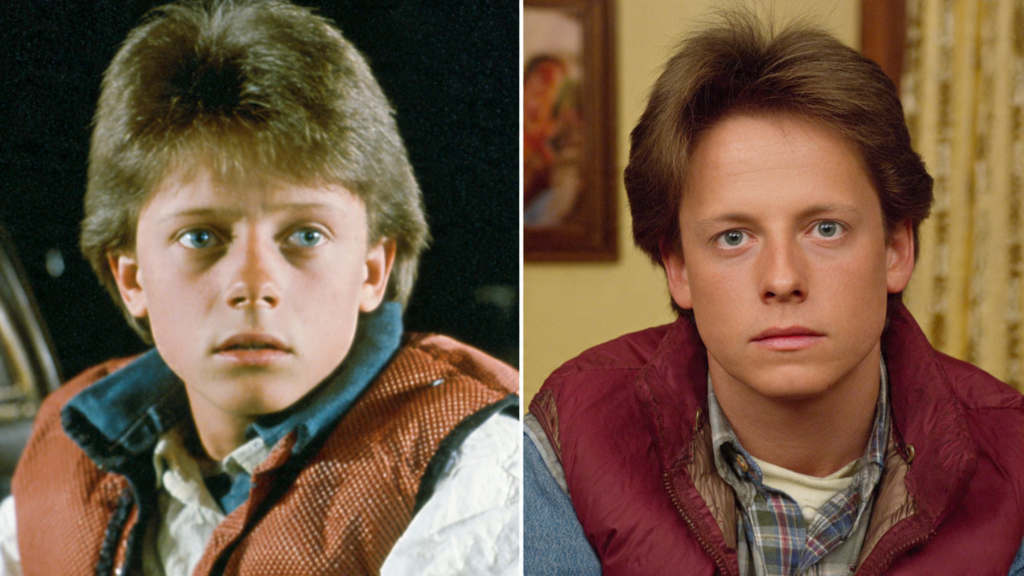
Lorraine’s journey reminds viewers that rooms don’t decide who we become—but they quietly influence how long we stay the same.
Thomas F. Wilson as Biff Tannen and the Town That Remembered Everything
Thomas F. Wilson’s Biff Tannen brought tension into otherwise ordinary spaces. Cafés, garages, school corridors—his presence altered the atmosphere instantly. Rooms felt tighter, louder, less forgiving.
As kids, Biff was simply the villain. Watching now, his role feels more symbolic. He represents how power and insecurity shape space. When Biff dominates, rooms feel unbalanced. When he fades, they soften.
Wilson’s performance aged into something more observational. Biff isn’t just cruel—he’s deeply shaped by the environments that reward or reject him. Hill Valley itself feels like a character, changing subtly depending on who controls the moment.
For renters, this lands in a quiet way. Shared spaces shift based on energy, not ownership. Who occupies the room matters more than how it’s designed.
Looking back, the cast of Back to the Future didn’t just travel through time—they carried emotional versions of space with them. Bedrooms, garages, diners, town squares all became markers of who they were at different moments.
The film hasn’t changed, but it now feels less about fixing the past and more about noticing how easily life could have felt different.
AI Insight:
Rewatching familiar characters in familiar places often brings the soft realization that time didn’t change the rooms as much as it changed how we remember being inside them.