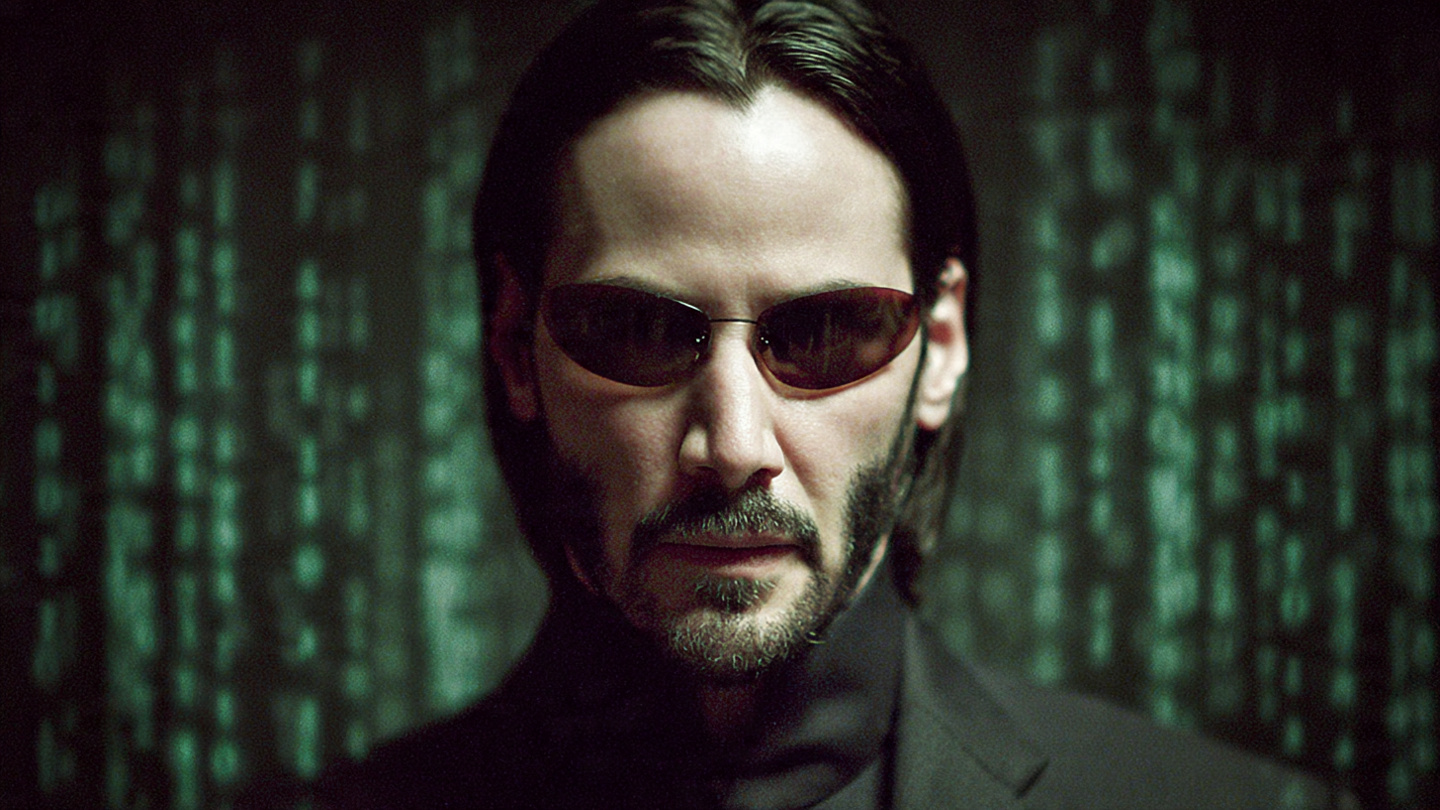
Keanu Reeves as Neo: Stillness Inside a World That Keeps Moving
When The Matrix first appeared, Keanu Reeves’ Neo felt like someone quietly out of place. He moved through small rooms, dark offices, and anonymous apartments with a sense of distance, as if the walls didn’t quite belong to him. His spaces felt temporary, interchangeable—beds slept in briefly, desks used without attachment.
Back then, Neo’s confusion mirrored the sharp visuals and fast action. Watching now, his stillness stands out more than the spectacle. Reeves played him as someone listening closely to the world, unsure where to rest. That feeling lingers, especially for renters who’ve lived in places that never fully felt settled, no matter how long the lease lasted.
Seeing Reeves today, there’s a calm continuity. His presence feels grounded, almost quiet in contrast to the role that once defined him. Neo remains suspended in time—forever caught between knowing and not knowing, between staying and leaving. The character didn’t age, but our understanding of him did.
Neo’s journey now feels less about escaping reality and more about learning how to exist gently within uncertainty.
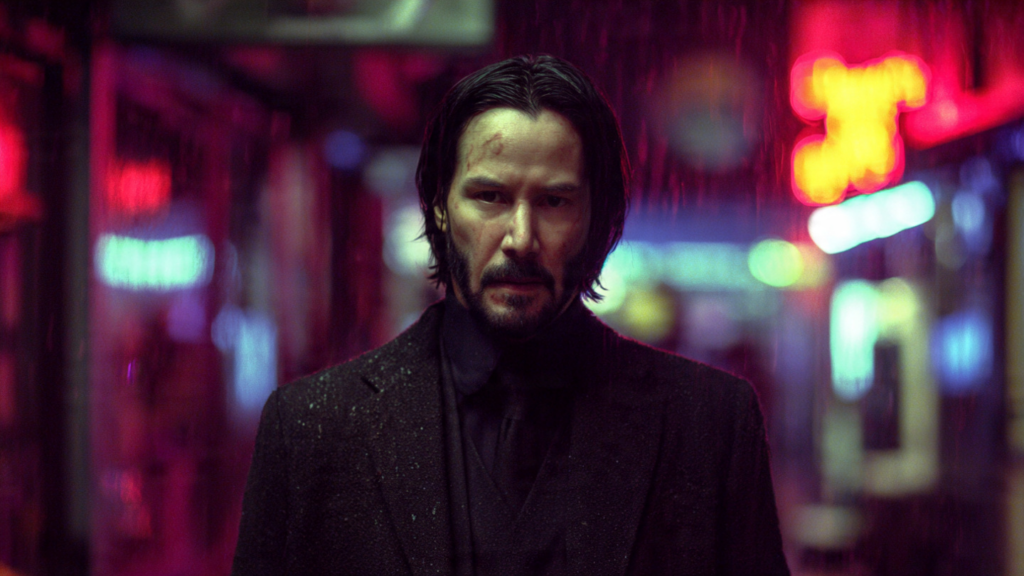
Carrie-Anne Moss as Trinity: Strength That Softened the Space Around Her
Carrie-Anne Moss’ Trinity entered The Matrix with confidence that reshaped every room she stepped into. Tight corridors, stark rooftops, dimly lit interiors—she moved through them with purpose. The spaces felt sharper, more alert, as if responding to her presence.
As a younger viewer, Trinity felt powerful and distant. Watching now, there’s a quiet warmth beneath that strength. Her loyalty, patience, and belief in Neo add emotional weight to the cold environments. She doesn’t dominate the space—she steadies it.
Moss’ career since then has carried that same grounded energy. Looking back, Trinity feels less like a symbol of rebellion and more like a person who created safety wherever she stood, even in places designed to feel unreal.
For renters, this resonates in subtle ways. Sometimes comfort doesn’t come from the room itself, but from how someone moves within it. Trinity reminds viewers that presence can soften even the most unfamiliar surroundings.
Her legacy isn’t just action—it’s emotional balance.
Laurence Fishburne as Morpheus: Belief Living Inside Empty Rooms
Laurence Fishburne’s Morpheus spoke in certainty. His voice filled bare rooms, abandoned buildings, and digital voids with meaning. The spaces he occupied were sparse, almost unfinished, but they felt intentional. Nothing distracted from belief.
As time passes, Morpheus feels less commanding and more reflective. Fishburne’s performance carries patience rather than authority. Watching now, his calm assurance feels like something built over time, not declared all at once.
Morpheus didn’t need comfort. He created it through conviction. The rooms followed his tone, not the other way around. That idea settles differently today, especially for those living in temporary homes. Some spaces don’t need decoration or permanence to feel grounded—they need purpose.
Fishburne’s later work adds dimension to Morpheus’ presence. The character feels like a reminder that belief can make even the emptiest places feel inhabited.
Not every home is defined by walls. Some are defined by certainty.

Hugo Weaving as Agent Smith and the Cast That Shaped the World
Hugo Weaving’s Agent Smith moved through The Matrix like a disruption. Offices, streets, hallways—all felt rigid and controlled when he appeared. His presence drained warmth from spaces, turning them into something mechanical. Watching now, Smith feels less frightening and more symbolic—an embodiment of systems that don’t adapt.
Time has softened the character’s sharpness, turning fear into familiarity. Smith represents environments that resist change, spaces that look orderly but feel suffocating.
The supporting cast—Gloria Foster as the Oracle, Joe Pantoliano as Cypher—added contrast. The Oracle’s kitchen felt lived-in, warm, almost ordinary. Cypher’s dissatisfaction lived quietly inside shared spaces, unnoticed until it surfaced.
Together, the cast transformed The Matrix from a visual experiment into an emotional landscape. The rooms mattered because of who occupied them. Kitchens, apartments, loading programs—each became temporary shelters for belief, doubt, or longing.
For renters, this layering feels intuitive. A place can feel cold or warm depending on the moments lived inside it. The cast of The Matrix didn’t just disappear into other careers. They left behind a world that still feels oddly familiar, especially to anyone who’s questioned whether a space truly reflects who they are.
AI Insight:
Some films quietly reveal that the places we move through feel real not because they last, but because of the emotions we carry while standing inside them.