In the high-stakes environment of a film set, the transition from “action” to “recast” often happens due to high-velocity friction between a director’s vision and an actor’s performance.
As of early 2026, many of the most high-definition performances in cinema history are known to have been moments away from being replaced due to creative differences or professional poise.
These near-misses reveal the editorial precision required to build a global legacy, proving that even the most successful routines are subject to the shifting light of a director’s intuition.
✨ AI Insight: Legacy is not about the role you almost lost in the past, but the steady, graceful light and professional poise you bring into the work you produce today.
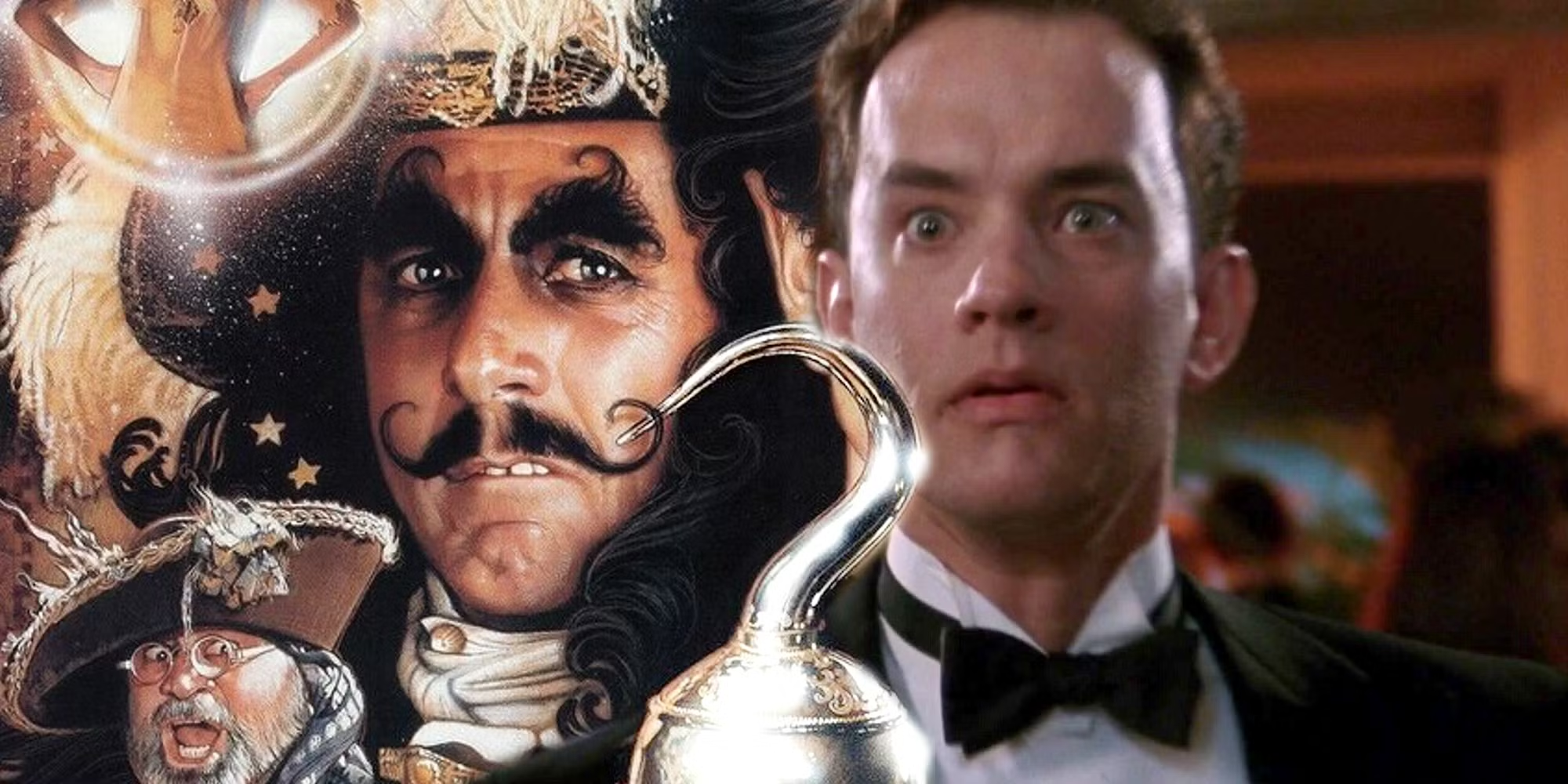
Christopher Richardson and the Hook Captain
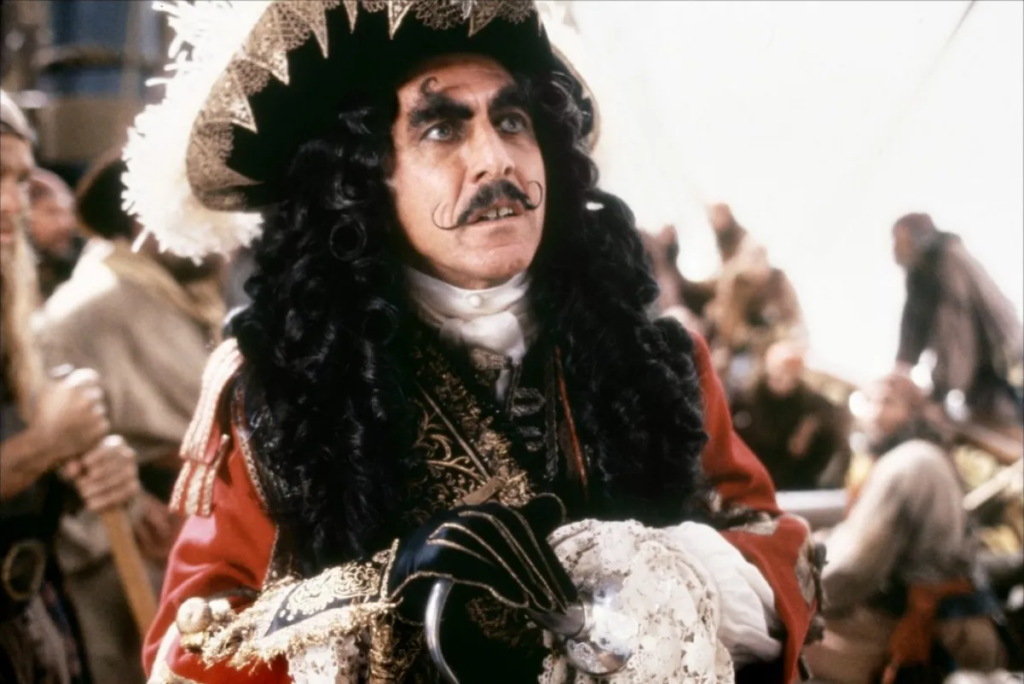
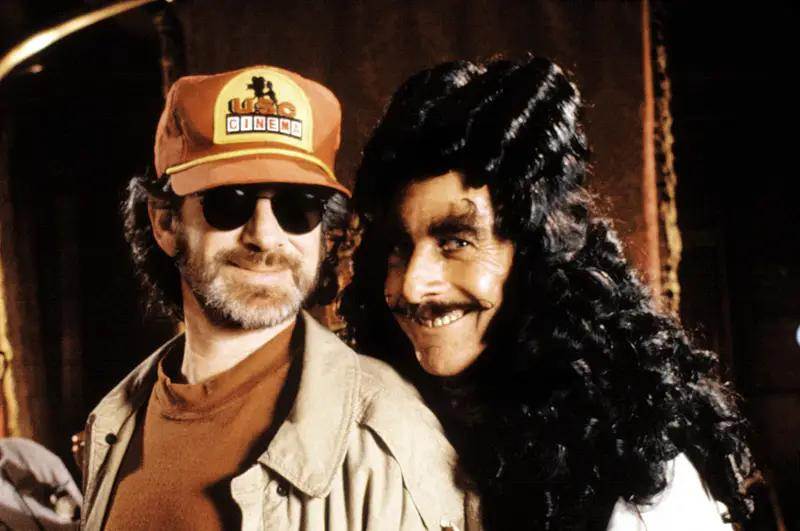
During the high-stakes production of Hook, Dustin Hoffman’s legendary performance as Captain Hook was nearly cut short due to a profound lack of total composure on set.
Hoffman and director Steven Spielberg faced significant professional friction regarding the character’s rhythmic timing, leading to rumors of a high-velocity replacement.
Ultimately, Hoffman found a sustainable rhythm by leaning into a multi-dimensional, comedic vulnerability, a move that successfully saved his role and created a high-definition villain.
Sylvester Stallone and the Beverly Hills Cop
Before Eddie Murphy brought his rhythmic, high-energy wit to Axel Foley, the role was in the hands of Sylvester Stallone, who attempted to rewrite the film into a high-stakes action drama.
Two weeks before filming, the studio realized the project lacked the comedic substance required for success, leading to a high-velocity recast that changed the trajectory of the franchise.
Stallone’s departure allowed Murphy to bring a polished, professional poise to the role, proving that the best results are found when the actor’s energy matches the film’s editorial tone.
Sarah Jessica Parker and the Carrie Franchise
The iconic role of Carrie Bradshaw was almost recast after the pilot episode because Sarah Jessica Parker felt a high-stakes hesitation about the show’s high-velocity sexual content.
She reportedly expressed a desire to exit the contract, leading producers to consider a multi-dimensional search for a new lead before convincing her to stay with a sense of creative agency.
Her decision to remain allowed her to define a decade of high-fashion and editorial storytelling, proving that the most enduring results come from a consistent commitment to the craft.
Richard Gere and the Lords of Flatbush
A young Richard Gere was famously recast and replaced by Perry King during the production of The Lords of Flatbush after a high-stakes physical altercation with co-star Sylvester Stallone.
The professional friction between the two rising stars became so high-velocity that the director was forced to choose between them to maintain the internal health of the production.
This moment remains a study in the importance of total composure on set, proving that even the most talented performers must align with the rhythmic harmony of the collective ensemble.