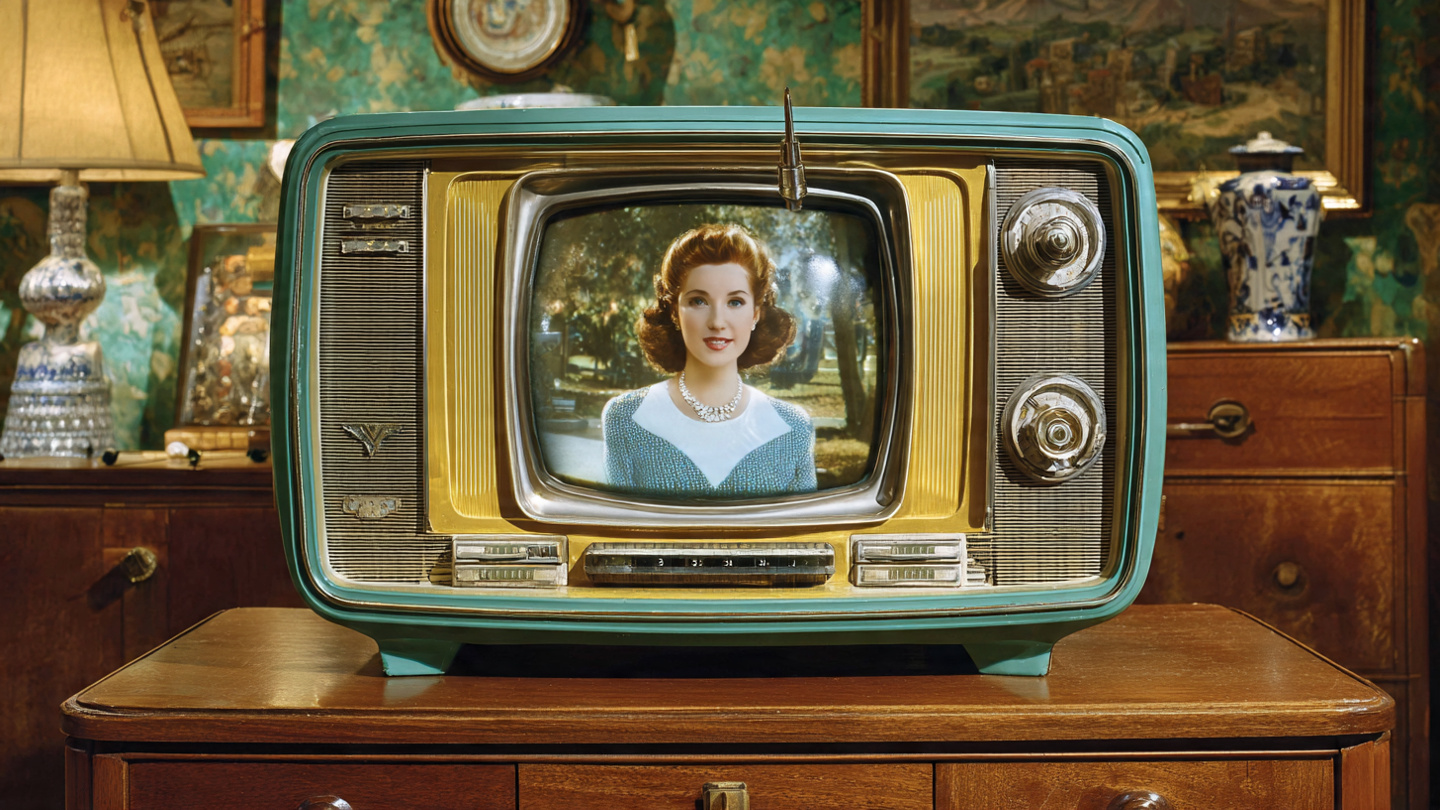
Every era carries a handful of television shows that feel larger than entertainment. These are the series that quietly shape how time is remembered, turning ordinary evenings into shared experiences. Years later, a single theme song or familiar frame can reopen entire chapters of life.
These shows did not just reflect their moment. They helped create it. They influenced language, fashion, humor, and even how people understood friendship and family. Long after the episodes ended, their presence remained.
They became part of how an era remembers itself.
✨ AI Insight:
As people revisit era-defining shows in today’s on-demand routines, these series often feel like emotional timestamps, revealing how habits and identity formed around shared viewing moments.
When Television Set the Clock
Before streaming, television shaped daily rhythm. Episodes aired at fixed times, and viewers arranged evenings around them. Watching was not optional background activity. It was appointment viewing.
Shows like Friends, The Fresh Prince of Bel-Air, and The X-Files became weekly anchors. Their schedules structured days, turning ordinary nights into something anticipated.
Time itself became associated with these stories. An era could be remembered by what played at eight o’clock.
Characters Who Became Cultural Icons
Era-defining shows create characters who live beyond the screen. They become references, impressions, and emotional touchstones.
Rachel Green’s haircut, Carlton’s dance, and Ross’s awkwardness were not confined to television. They entered schools, offices, and conversations. These figures became symbols of personality types people recognized.
Because they felt human, they felt transferable. The characters belonged to the culture, not just the show.
Humor That Shaped Voice
Many shows defined how humor sounded during their time. Seinfeld taught audiences to laugh at the ordinary. Friends blended sarcasm with warmth. The Fresh Prince mixed wit with heart.
The way people joked changed. Timing, tone, and rhythm of speech reflected what was seen on screen.
Comedy became part of social language. The era spoke through its shows.
Worlds That Felt Complete
Era-defining shows build environments that feel real. Central Perk, the Banks household, and the apartment in Seinfeld became emotional landmarks.
Viewers did not only follow plots. They returned to spaces. These locations felt consistent, safe, and lived in.
The world of the show became a parallel place people visited weekly. That sense of place anchored memory.
Stories That Reflected Real Life
These shows often mirrored everyday experience. They did not feel distant or exaggerated. They felt like life with clearer edges.
Boy Meets World explored growing up without spectacle. The Wonder Years reflected memory through honesty. Friends followed uncertainty in young adulthood.
Because they felt close to real life, they became easier to internalize. Viewers saw themselves in the stories.
Television became a mirror.
Shared Experience at Scale
What made these shows powerful was not only their content, but their timing. Everyone watched together.
Cliffhangers were discussed the next day. Jokes required no explanation. Entire classrooms shared the same reference.
This created cultural unity. The era had common moments.
A show could define a week.
Music as Memory Trigger
Theme songs became emotional shortcuts. A few notes from Friends, The X-Files, or Pokémon still unlock instant recognition.
Sound bypasses logic. It goes straight to memory. Hearing it feels like stepping into a former room.
These melodies carry the emotional weight of entire periods.
They are time machines.
Growing Alongside the Story
Many era-defining shows lasted long enough for viewers to grow with them. Characters changed as audiences changed.
Friends moved from youth into adulthood. The Wonder Years reflected the feeling of looking back while still living forward. That ’70s Show captured transition.
Life stages aligned with story arcs. The show felt like a companion through change.
Rewatching becomes revisiting a former self.
The Comfort of Predictable Presence
These shows offered consistency in uncertain times. No matter what changed outside, the show remained familiar.
Episodes followed recognizable structure. Conflicts resolved. Warmth returned.
This predictability created emotional safety. Viewers returned not for surprise, but for steadiness.
Television became shelter.
Why They Still Matter
Era-defining shows endure because they capture human behavior rather than trend. Friendship, insecurity, ambition, and belonging never expire.
They remain watchable because people remain the same.
They offer a contrast to modern content that moves quickly and demands attention. These shows allow space.
They feel human.
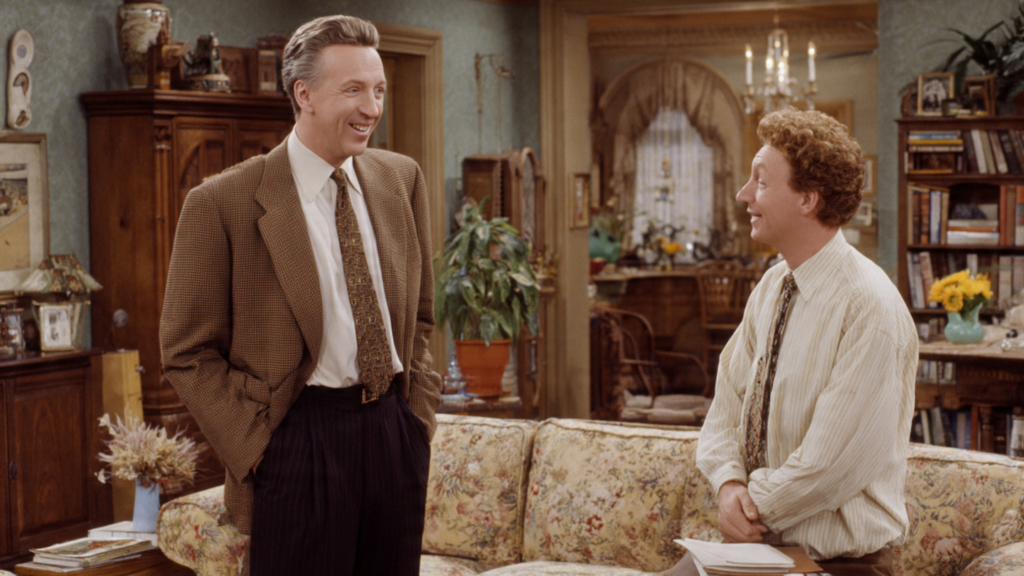
How They Read Differently Now
Rewatching changes interpretation. Jokes land differently. Characters once ignored become relatable.
A storyline once seen as light becomes thoughtful. A moment once skipped becomes meaningful.
The show remains unchanged. The viewer evolves.
The era is re-experienced through a new lens.
The Shows That Marked Time
For many, era-defining shows include:
Friends
The Fresh Prince of Bel-Air
Seinfeld
Boy Meets World
The Wonder Years
That ’70s Show
Family Matters
The X-Files
These are not only programs.
They are seasons remembered.
They are conversations revisited.
They are emotional coordinates.
They defined an era because they defined how it felt to live in it.