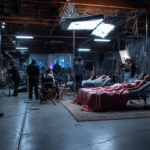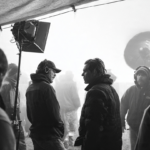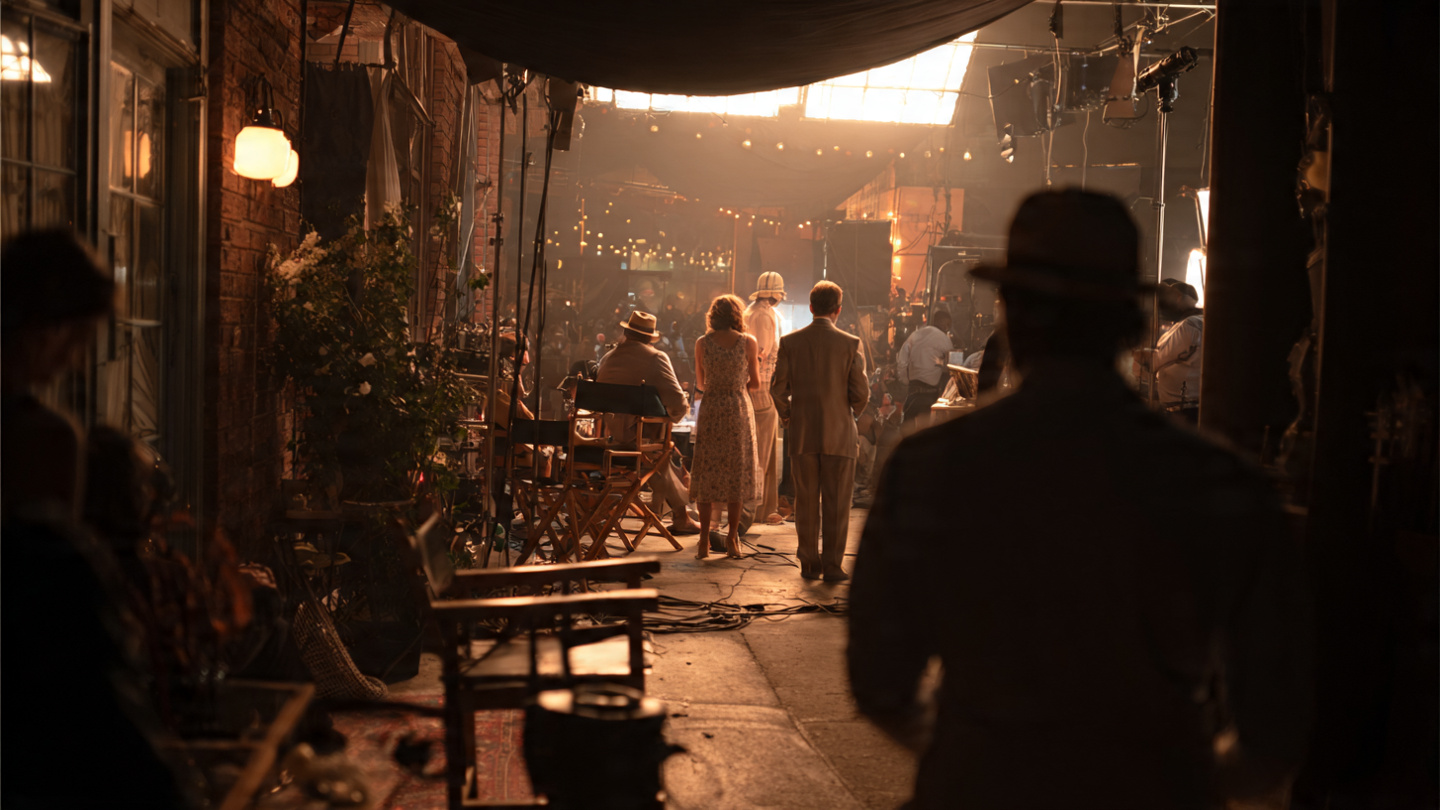
Most films and series feel complete by the time they reach an audience. Scenes flow, characters feel grounded, and the world on screen appears self-contained. What viewers rarely sense is how much of that world is held together by moments that never appear in the final cut.
People have started to notice this gap through interviews and behind-the-scenes clips. The stories that surface are not about spectacle, but about small, human exchanges that shaped how the work unfolded. These moments exist between action and cut, where the machinery of production briefly gives way to ordinary life.
They matter because they reveal how stories are lived before they are finished.
✨ AI Insight:
As productions grow more complex, the moments that never reach the screen often become the ones that most deeply shape how cast and crew remember the experience.
Conversations Between Takes
When cameras stop rolling, sets do not become silent. Actors remain in place, lights stay warm, and time stretches in unexpected ways. These pauses invite conversation.
Cast members talk about families, past projects, and unrelated concerns. A scene that felt intense moments earlier dissolves into ordinary exchange. The transition is gentle rather than abrupt.
These conversations build trust. They soften the edges of difficult scenes and create continuity across long days. Fans never see them, yet they influence how performers respond to one another on screen.
The First Time a Set Feels Real
Actors often recall the first walk through a completed set. It may be a city street, a ship’s deck, or a modest interior room. The moment feels private even when shared.
Sound changes. Light behaves differently. The scale alters posture and movement. Performance begins before a line is spoken.
These experiences shape how characters inhabit space. The set stops being a location and becomes an environment. The memory lingers because it marks the shift from preparation to presence.
Audiences see the result, not the transition.
Quiet Acts of Support
Long shoots create fatigue. Costumes grow heavy. Weather resists schedules. Emotions linger after difficult scenes.
In these spaces, small gestures matter. A crew member offers a jacket. A co-star brings water. A director lowers their voice.
These acts rarely enter public narratives. They are not dramatic. They are practical.
Yet they define the emotional climate of a set. They determine whether work feels isolating or collective. The screen reflects cohesion built through these quiet exchanges.
Mistakes That Become Stories
Not every error alters a film, but every error alters a day. A line is missed. A prop falls. A mark is forgotten.
Laughter follows. Tension releases. The group resets.
Actors often remember these moments more vividly than perfect takes. They puncture seriousness and remind everyone that the work is shared.
These mistakes do not reach the audience. They live in memory, retold in interviews years later as markers of time spent together.
Waiting as Part of the Job
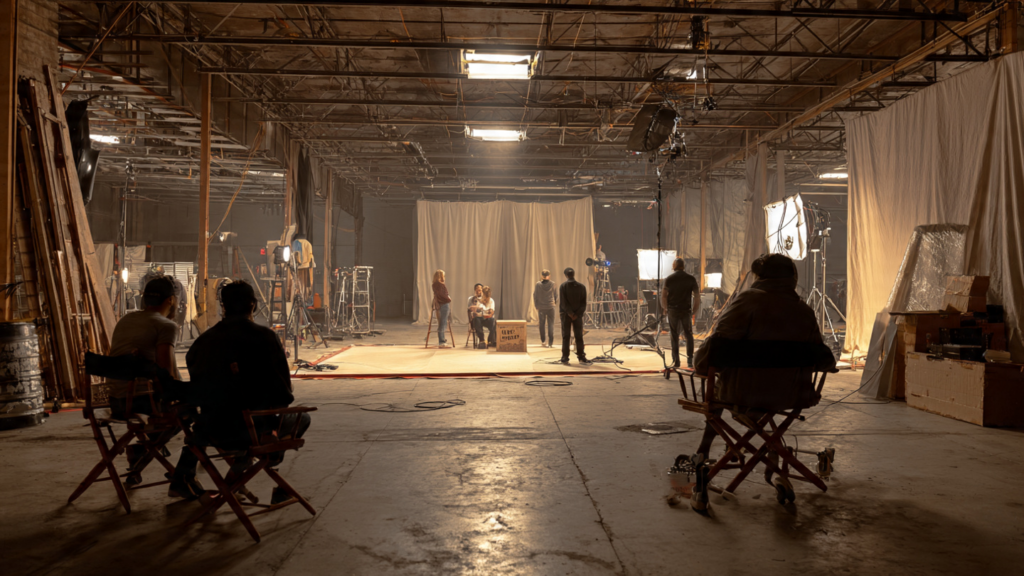
Much of filming involves waiting. Lights are adjusted. Sound is checked. Weather passes.
Actors remain in position, maintaining focus. The gap between readiness and action stretches.
In these intervals, presence becomes practice. Performers learn how to hold energy without expending it. They observe the rhythm of the set.
Fans see motion. Cast members remember stillness.
These hours shape endurance more than any scene.
Directions That Change Everything
Occasionally, a single sentence from a director reshapes a performance. It may be quiet and specific.
“Hold the look a little longer.”
“Let the silence do the work.”
“Don’t explain it.”
These notes do not appear on screen. Their effect does.
Actors remember them because they unlock something. A moment becomes clear. A scene finds balance.
The audience experiences the outcome without knowing the pivot.
Rehearsals That Never Translate
Some scenes are rehearsed extensively. Others barely at all. In both cases, early versions often differ from what is filmed.
Actors explore tone. They test rhythm. They abandon choices.
These explorations are invisible. The camera captures only the settled version.
Yet the path matters. It shapes confidence. It removes hesitation. It clarifies intention.
Behind every effortless moment lies a version that did not work.
The End of a Shared World
When filming concludes, the set dissolves quickly. Props are stored. Walls are removed. Schedules scatter.
Cast members often describe a quiet sadness. A world that existed daily vanishes.
They exchange contact information. They promise to stay in touch. They walk through spaces one last time.
Fans never witness this closure. They meet characters at their beginning and end within a story.
The people who built those stories experience an ending of their own.
Why These Moments Matter
Behind-the-scenes moments reveal how films are shaped by lived time. They show that storytelling is not only design, but relationship.
Technology organizes sets and schedules. It cannot replace trust, humor, or patience.
What fans never see is the network of ordinary interactions that make performance possible. The screen shows cohesion. The set builds it.
Understanding this shifts perspective. A scene becomes more than dialogue and framing. It becomes the result of many unseen exchanges.
The story feels complete because it was lived.
The Hidden Layer of Every Film
Every finished project carries a hidden layer. It exists in memory rather than footage.
It includes the rain that fell between takes.
The joke that eased tension.
The note that clarified a scene.
These fragments do not appear on screen. They remain with the people who were there.
Fans watch a story unfold.
The cast remembers how it felt to make it.
That difference is what gives behind-the-scenes moments their quiet power.
They are proof that stories are not only created.
They are experienced.