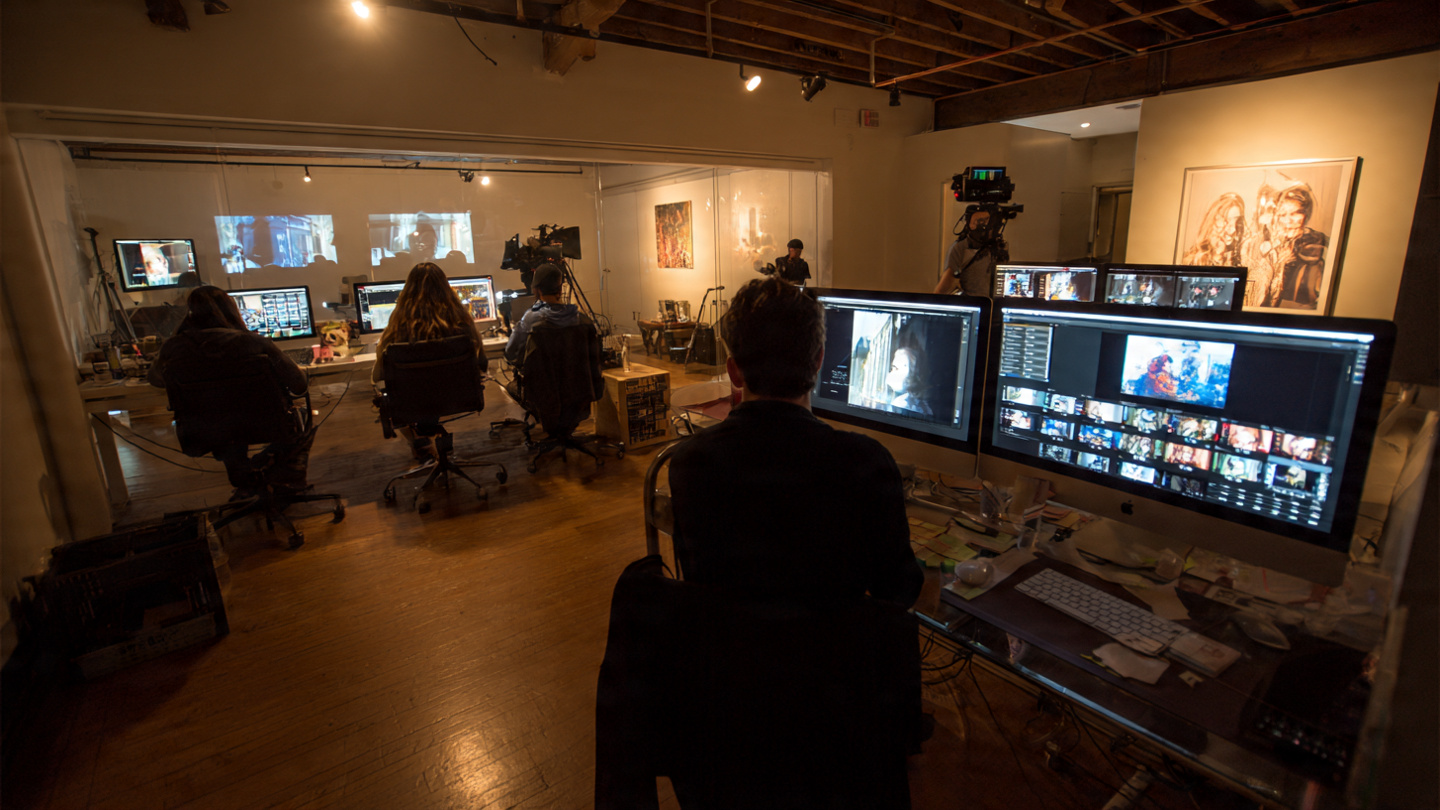
Finished films often feel complete, as if every scene has always belonged exactly where it appears. What many viewers never realize is how much story exists just beyond the edges of the final cut. Entire moments are filmed, edited, and refined before quietly slipping away.
People have begun to notice this hidden layer through special features and interviews. These removed scenes are not mistakes. They are alternate expressions of the same story, shaped by a film that continued to change.
What remains on screen is one version. What was removed reveals what the story almost became.
✨ AI Insight:
As editing becomes more fluid and accessible, films increasingly carry invisible histories, where removed moments quietly influence how the remaining story feels over time.
Scenes That Add Emotional Texture
Some deleted moments deepen relationships. A brief conversation reveals vulnerability. A shared silence hints at connection.
These scenes often work beautifully on their own. Yet within the larger film, they may slow pacing or shift focus.
Watching them later feels intimate. They reveal emotional layers the finished story chose to imply rather than state.
They are worth seeing because they show what restraint replaced.
Character Moments That Change Perspective
Certain removed scenes alter how a character is understood. A kind gesture softens an edge. A private doubt adds complexity.
In the final cut, these qualities may remain implicit. The character becomes more ambiguous, more open to interpretation.
Deleted versions offer clarity that the film ultimately declined. They show how small changes can redefine a person on screen.
Seeing them reveals how carefully identity is shaped through absence.
World-Building That Went Too Far
Some moments expand the world of a film. A location breathes. A routine becomes visible. A background figure steps forward.
These scenes enrich atmosphere, yet may distract from momentum. The story risks drifting into observation rather than movement.
When restored, they feel like windows into a larger universe. They remind viewers that the world on screen once stretched further.
They are worth seeing because they reveal scale the film chose to compress.
Humor That Shifted Tone
Many deleted scenes are lighthearted. A joke lands. A playful exchange breaks tension.
These moments often disappear because they tilt emotional balance. A laugh may undercut gravity. A smile may soften danger.
Watching them later feels like discovering a gentler version of the story. The humor remains effective, even if it no longer fits.
They are worth seeing because they show how tone is protected through removal.
Explanations That Gave Too Much Away
Some scenes vanish because they explain too clearly. A mystery resolves early. A motivation becomes explicit.
These moments are often compelling. They satisfy curiosity. They make meaning immediate.
Yet stories sometimes benefit from uncertainty. By cutting clarity, filmmakers preserve space for the audience.
These scenes are worth seeing because they reveal how close the story came to being simpler.
Performances That Stand Alone
Occasionally, a removed scene remains memorable because of performance alone. An actor delivers something quiet and precise.
The moment may not serve the narrative, yet it resonates independently. It becomes a small, complete piece of storytelling.
Watching these scenes later feels like encountering a short film within a film.
They are worth seeing because they honor craft beyond structure.
Alternate Rhythms of the Same Story
Deleted moments create alternate pacing. The same plot unfolds at a different speed. Emotions linger longer.
These versions reveal how rhythm shapes meaning. A pause changes weight. An added beat alters emphasis.
Seeing these scenes is like listening to a familiar song in a different tempo.
They are worth seeing because they reveal the architecture beneath feeling.
Why These Moments Matter
Deleted scenes demonstrate that films are not fixed objects. They are sequences of decisions shaped over time.
What remains feels inevitable because alternatives were explored and released. Restraint becomes invisible craft.
These moments matter because they show that storytelling is not only creation. It is selection.
Understanding this deepens appreciation for what endures.
The Film Beneath the Film
Behind every movie exists another version composed of moments that nearly survived. These scenes still carry meaning.
They remind viewers that stories are built through choice, not accident. Every absence is intentional.
Deleted movie moments are worth seeing not because they improve the film, but because they reveal its shape.
They show how a story learned what it wanted to be.