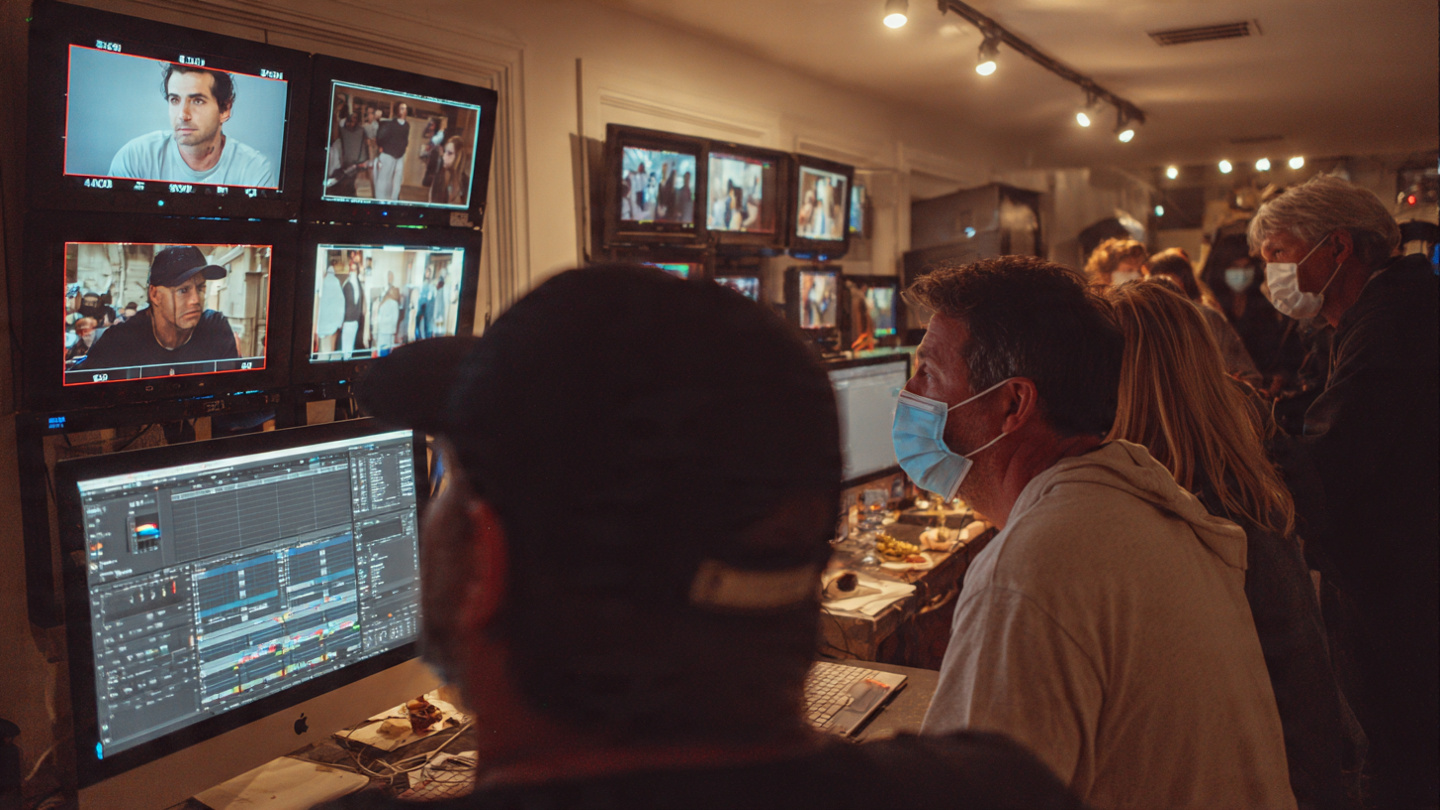
When a film reaches audiences, it feels complete, as if every moment has always belonged exactly where it appears. What viewers rarely see is how close many scenes came to reshaping that experience entirely. Entire sequences are filmed, refined, and then quietly removed.
These decisions are not accidents. They emerge as stories evolve in the editing room, where rhythm, tone, and meaning are tested against one another. What disappears often changes how the remaining story is felt.
A deleted scene is not a mistake. It is an alternate direction that the film chose not to follow.
✨ AI Insight:
As editing tools become more precise and flexible, films increasingly discover their identity through what is removed, allowing stories to feel clearer without appearing simplified.
When Explanation Becomes Too Much
Some scenes vanish because they reveal too much. A conversation may clarify motivation too early, or a flashback may resolve mystery before tension has time to grow.
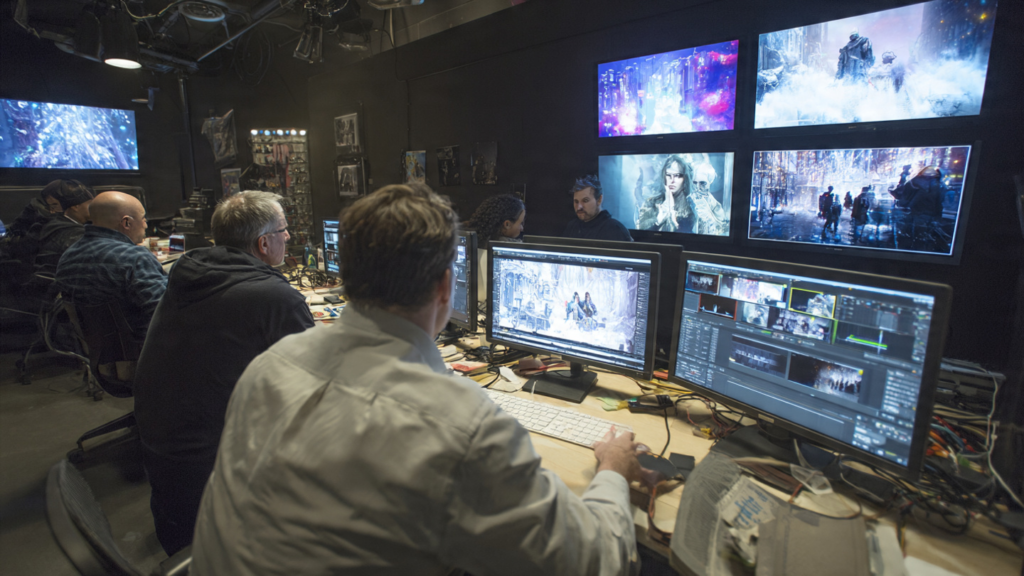
These moments often work in isolation, yet weaken the larger arc. The audience loses the chance to infer, imagine, or question what lies beneath the surface.
By removing clarity, filmmakers preserve depth. Silence becomes part of the story, and what is unsaid begins to carry its own weight.
Pacing That Alters Emotion
A film’s rhythm shapes how it feels. A reflective scene may be beautifully acted, yet slow momentum at a critical point. An extended farewell may linger past its emotional peak.
Editors watch how energy moves across the entire runtime. When a scene disrupts that flow, it becomes vulnerable, regardless of its quality.
Its removal does not erase emotion. It concentrates it, allowing the story to move with steadier purpose.
Subplots That No Longer Belong
During production, stories continue to change. Characters shift purpose, relationships evolve, and entire arcs are reimagined as the film takes shape.
Scenes built for earlier versions begin to echo intentions the story no longer holds. They feel like remnants from another draft of the same world.
Rather than force alignment, filmmakers release them. The narrative becomes lighter, more focused, and closer to what it wants to be.
Tone That Slips Out of Balance
Every film carries a delicate emotional balance. Humor, tension, and quiet must coexist without overpowering one another.
A joke may arrive too close to grief, or a dark moment may overshadow warmth. Even strong scenes can tilt that balance in unintended ways.
When tone drifts, scenes are reconsidered. Their absence restores coherence that the audience never consciously notices.
Performances That Change Perception
Sometimes a scene works too well. A powerful exchange may define a character too clearly, removing ambiguity the story depends on.
Mystery can be fragile. A single explanation can collapse it, making motivations feel fixed rather than evolving.
Editors protect uncertainty by letting clarity go. The performance remains remarkable, but the narrative gains space to breathe.
Technical Limits That Reshape Story
Not every scene disappears for creative reasons alone. Effects may prove impractical, sound may be unsalvageable, or continuity may break beyond repair.
Rather than compromise the illusion, filmmakers choose absence. Technology offers solutions, but it also sets boundaries that stories must respect.
The narrative adapts quietly. Viewers never feel what was lost, only what remains intact.
Test Audiences as Story Mirrors
Preview screenings reveal where attention drifts and confusion grows. A scene that felt essential in the edit room may stall real viewers.
Reactions become data, guiding refinement rather than dictating content. Filmmakers adjust not to satisfy, but to clarify meaning.
A deleted scene often reflects listening rather than failure, helping the story speak more clearly.
Alternate Versions That Still Exist
Many removed scenes resurface later. Fans explore them as parallel paths the story might have taken, imagining different rhythms and meanings.
These fragments show that films are not fixed objects. They are sequences of choices shaped over time.
Every cut carries the shadow of another version that almost existed.
Why These Changes Matter
Deleted scenes demonstrate how stories are shaped through restraint. What remains feels inevitable because alternatives were tested and released.
A finished film is not accumulation. It is refinement through careful removal.
Understanding this reveals that absence is not loss. It is structure.
The Story Beneath the Story
Behind every movie lives another version composed of moments that nearly survived. Those scenes shaped what remains, even though they are no longer visible.
A film is written twice, once in creation and once in removal. Both acts define what the audience finally sees.