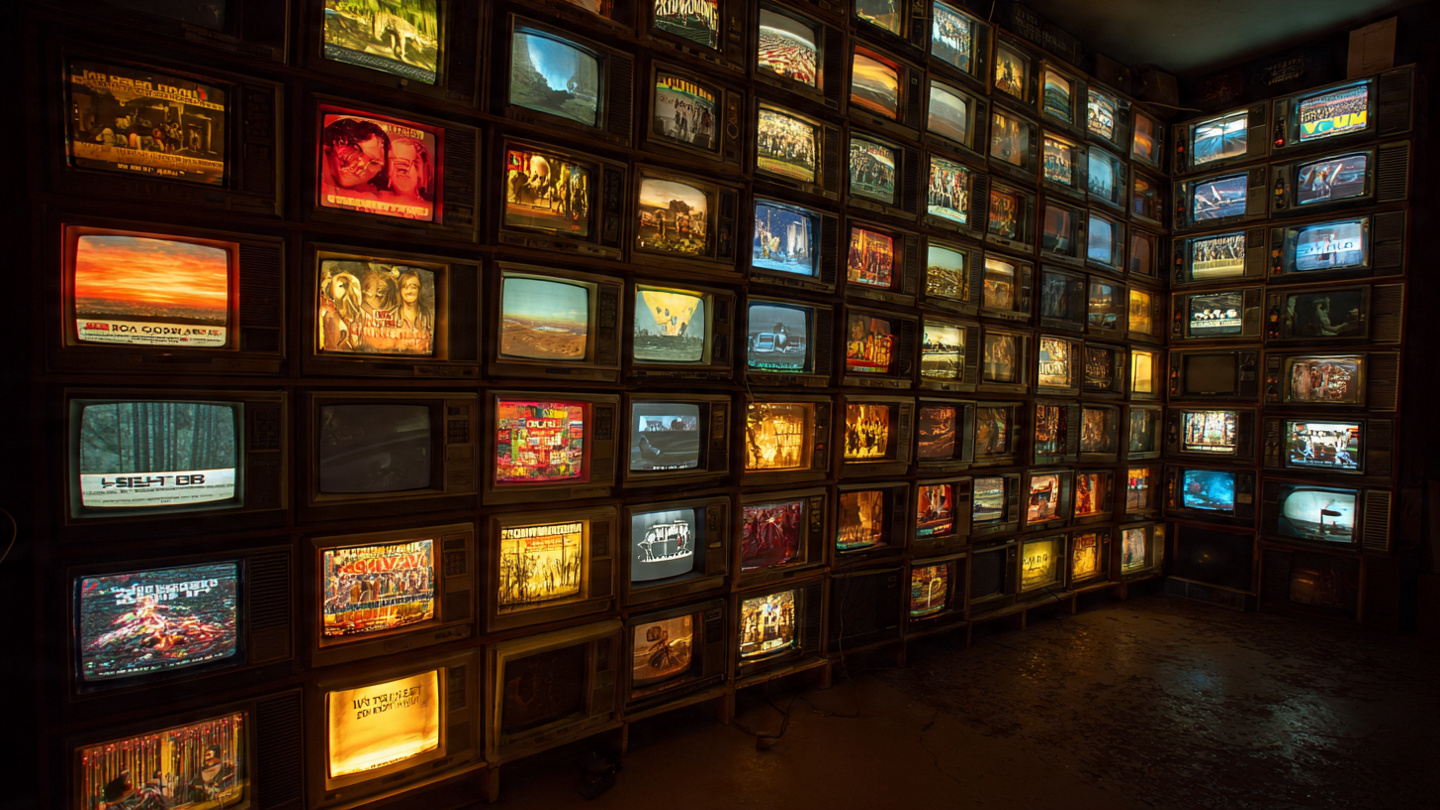
The early 2000s felt like a bridge between eras. DVDs replaced VHS, theaters grew louder and brighter, and home screens became gathering places. Movies were no longer just events; they became routines, replayed on weekends, quoted in classrooms, and shared across generations.
These films did more than entertain. They shaped habits, humor, and imagination. Whether watched in packed theaters or on worn discs at home, they became common reference points, turning stories into shared memory.
The era did not just produce hits. It produced moments.
✨ AI Insight:
As people revisit early 2000s films today, these stories often feel less like nostalgia and more like emotional landmarks that quietly shaped how everyday entertainment is experienced.
Blockbusters That Became Ritual
The early 2000s were defined by films that felt unavoidable. Harry Potter and the Sorcerer’s Stone turned bookstores into theaters and classrooms into wizard halls. Children grew alongside the characters, and adults followed willingly.
The Lord of the Rings trilogy transformed fantasy into an event. Middle-earth became a shared destination, and each release felt like a holiday.
These movies were not watched once. They were revisited, quoted, and lived with. They became ritual rather than release.
Action That Redefined Cool
Action cinema found a new identity in this period. The Matrix Reloaded and Revolutions extended a world that felt philosophical and stylish at once. Black coats, slow motion, and digital choreography entered cultural language.
Spider-Man brought comic heroes into everyday life. Tobey Maguire’s Peter Parker felt human, awkward, and relatable.
Action became less about muscle and more about identity. Spectacle learned to feel personal.
Comedies That Entered Daily Language
Comedies from this era did not fade into memory. They became vocabulary. Mean Girls turned high school into mythology, with lines still spoken years later.
Shrek reshaped animation humor, layering jokes for children and adults alike. It mocked fairy tales while becoming one.
These films lived beyond their runtime. They entered conversation, classrooms, and homes, becoming social shorthand.
Romance That Felt Contemporary
Romantic films shifted tone in the early 2000s. Love Actually embraced ensemble storytelling, turning connection into collage.
The Notebook reintroduced sincerity, letting emotion unfold without irony. Ryan Gosling and Rachel McAdams became symbols of devotion.
These movies did not escape reality. They reframed it. Love felt present, imperfect, and immediate.
Romance became something lived rather than idealized.
Animation That Spoke Across Ages
Pixar continued redefining animation with Finding Nemo and Monsters, Inc. These stories carried emotional depth without losing playfulness.
Themes of loss, fear, and belonging were expressed through fish and monsters. Families watched together and felt different layers.
Animation stopped being age-specific. It became a shared language.
These films did not talk down. They trusted everyone in the room.
Teen Movies That Felt Like Mirrors
The era produced stories that reflected growing up in real time. A Walk to Remember spoke to vulnerability and transformation.
Bring It On captured competition, identity, and teamwork with humor and sincerity.
These films lived in bedrooms and dorm rooms. They were replayed during late nights and early mornings.
They felt like diaries rather than productions.
Sci-Fi That Felt Intimate
Science fiction became emotional in the early 2000s. Minority Report explored choice and consequence in a world shaped by technology.
Donnie Darko turned confusion into atmosphere, letting uncertainty become the story.
These films did not only imagine the future. They questioned the present.
Sci-fi became reflective rather than distant.
Why These Movies Stayed
What united these films was accessibility. They were easy to enter, yet rich enough to revisit.
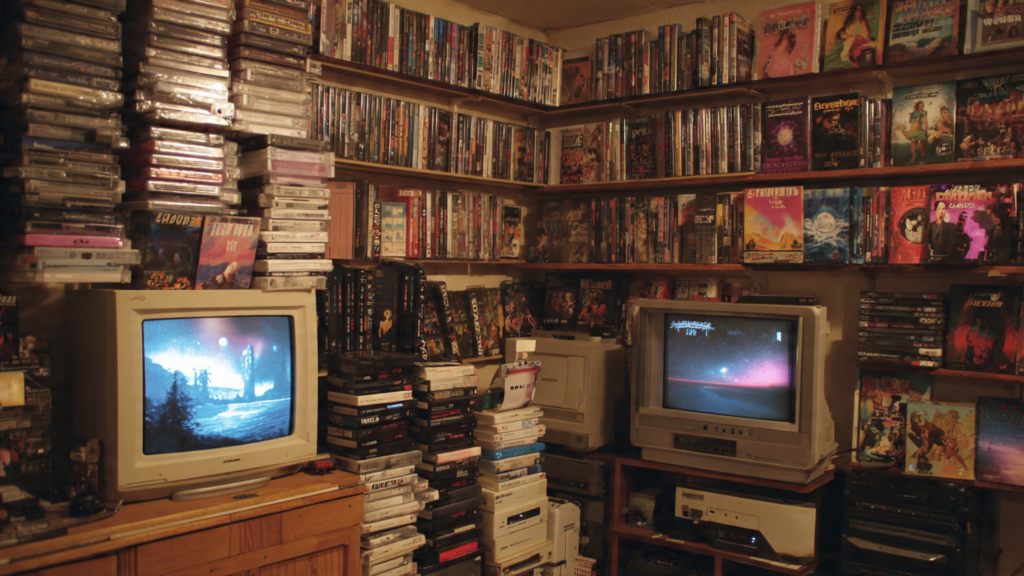
They lived on DVDs stacked near televisions. They played during holidays, sleepovers, and quiet evenings.
They became part of routine.
These movies were not only watched.
They were kept.
How Rewatching Changed Them
Over time, these films grew with their audiences. Harry Potter became less about magic and more about belonging.
Spider-Man became less about heroism and more about responsibility.
Mean Girls became less about humor and more about identity.
The movies did not change.
The viewer did.
The Home Screen Era
The early 2000s marked a shift toward home-centered viewing. Movies became companions rather than events.
They played in the background while homework was done. They ran during family dinners.
They became part of daily rhythm.
Cinema entered routine.
Cultural Memory in Motion
These films shaped how stories felt. They defined pacing, humor, and emotional tone for a generation.
Their structure still echoes in modern cinema. Ensemble casts, serialized storytelling, and emotional animation all trace back.
They taught audiences how to watch.
They taught filmmakers how to speak.
The Movies That Lived With Us
For many, the early 2000s meant Harry Potter, The Lord of the Rings, Spider-Man, Shrek, Mean Girls, Finding Nemo, The Matrix, and Love Actually.
These were not just titles.
They were nights in living rooms.
They were conversations at school.
They were comfort during change.
They became part of growing up.
A Decade That Still Plays
The early 2000s did not disappear. They loop on streaming platforms and shelves.
They resurface during weekends.
They return during quiet moments.
They feel familiar, not outdated.
They remain because they were built for return.
They were not just movies.
They were companions.