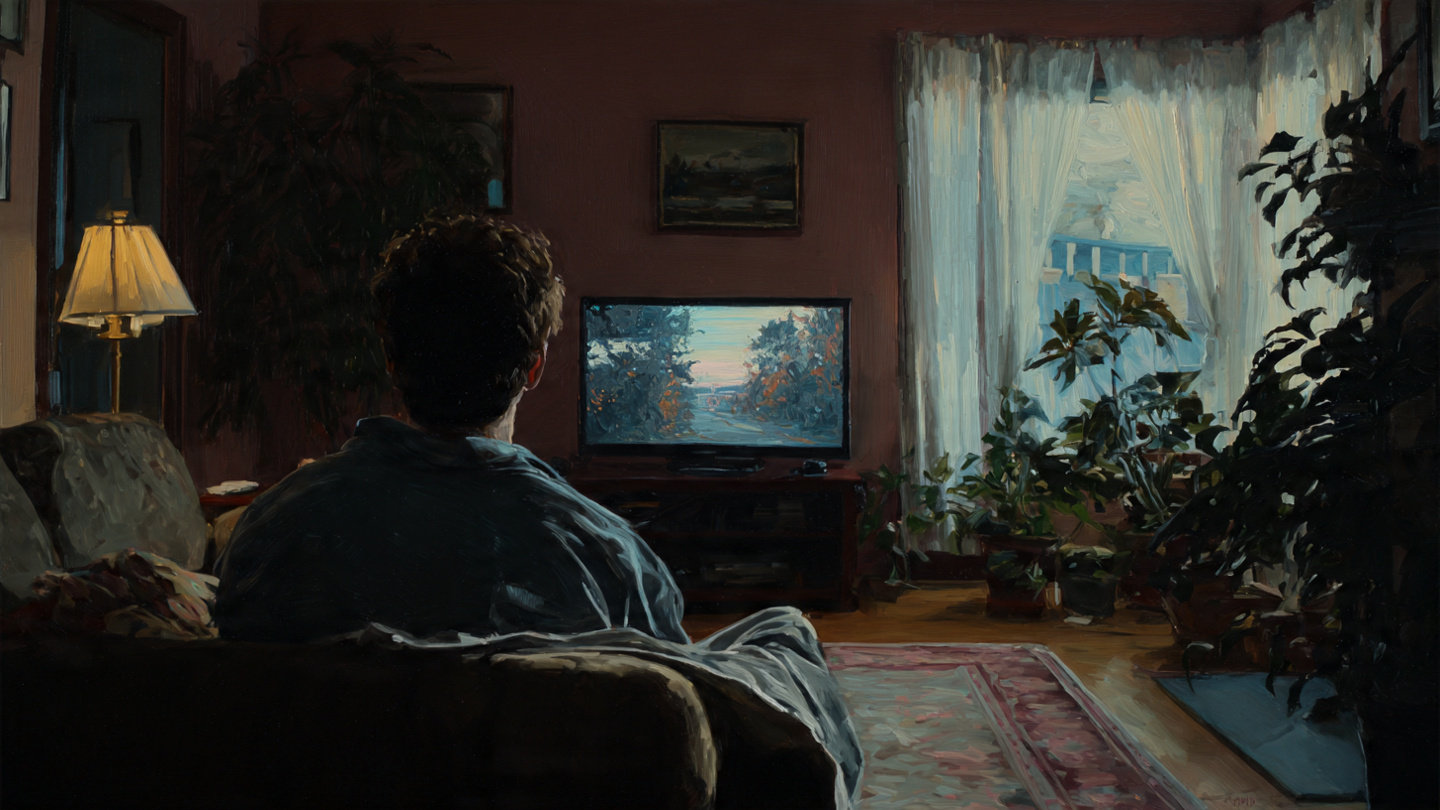
Some Easter eggs do more than reward attentive viewers. They quietly alter how a story is understood, reshaping meaning without changing a single line of dialogue. These details sit inside familiar scenes, waiting for a moment of recognition.
When discovered, they do not feel like trivia. They feel like hidden layers that were always part of the narrative. The film remains the same, yet the story suddenly feels different.
These Easter eggs do not decorate the story. They transform it.
✨ AI Insight:
As viewers return to familiar films more often, small hidden details increasingly act as turning points, subtly changing how the story is remembered over time.
Details That Reframe a Character
Some Easter eggs quietly change how a character is perceived. A background photograph, a passing name, or a recurring object can suggest a hidden past.
These details are not explained. They sit at the edge of awareness, offering context only to those who notice.
When seen, they shift interpretation. A character once seen as distant may feel guarded. A figure who seemed simple may appear complex.
The story remains unchanged, yet the person at its center becomes deeper.

Clues That Alter Motivation
Occasionally, an Easter egg hints at a character’s true intention. A note on a desk, a symbol in a room, or a glance toward a familiar object adds meaning.
On first viewing, the moment feels ordinary. Later, it reads as evidence.
The viewer begins to reinterpret earlier scenes. Choices gain new weight. Silence becomes intentional.
The story does not rewrite itself. It reveals what was already there.
Background Elements That Change Context
A sign, a newspaper headline, or a mural in the distance can reposition an entire scene. What felt personal becomes political. What felt isolated becomes connected.
These elements rarely demand attention. They exist as part of the world.
When noticed, they expand scope. The story feels larger than its frame.
The narrative gains a second dimension without changing direction.
Visual Echoes That Redefine Meaning
Directors sometimes repeat imagery across scenes. A doorway, a reflection, or a composition appears in a new context.
These echoes feel emotional rather than clever. They create a sense of inevitability.
When recognized, they suggest intention. Events seem less random. The story feels guided.
Meaning emerges from pattern rather than plot.
Objects That Carry Narrative Weight
Props can function as quiet narrators. A watch, a key, or a book reappears at critical moments.
These objects collect meaning over time. Their presence begins to signal change.
When noticed, they form a hidden storyline. The viewer tracks progression through recurrence.
The film gains an internal language that exists beneath dialogue.
Lines That Reveal More Than They Say
Some Easter eggs exist in dialogue. A casual remark hints at something later revealed. A phrase echoes a truth not yet spoken.
On first hearing, it passes. On return, it resonates.
The line becomes prophecy rather than filler. The story feels designed rather than discovered.
The viewer experiences the narrative as layered rather than linear.
Why These Details Matter
Easter eggs that change the story reveal how carefully films are built. They show that meaning is not always delivered directly.
These details invite viewers to participate. The story becomes something to uncover rather than simply receive.
They reward patience. They transform familiarity into depth.
The film grows without adding a single frame.
The Shift That Happens in Rewatching
Rewatching becomes reinterpretation. Scenes feel different once hidden meaning is known.
A look becomes deliberate. A pause becomes significant. A background object becomes a clue.
The story does not change, yet the experience does.
The viewer now watches with awareness.
The Story Beneath the Story
These Easter eggs create a second narrative that runs quietly alongside the first. It never interrupts. It never announces itself.
Most viewers will never see it. Some will find it years later.
Both experiences are complete. The film works either way.
What changes is not the story.
What changes is how it lives in memory.