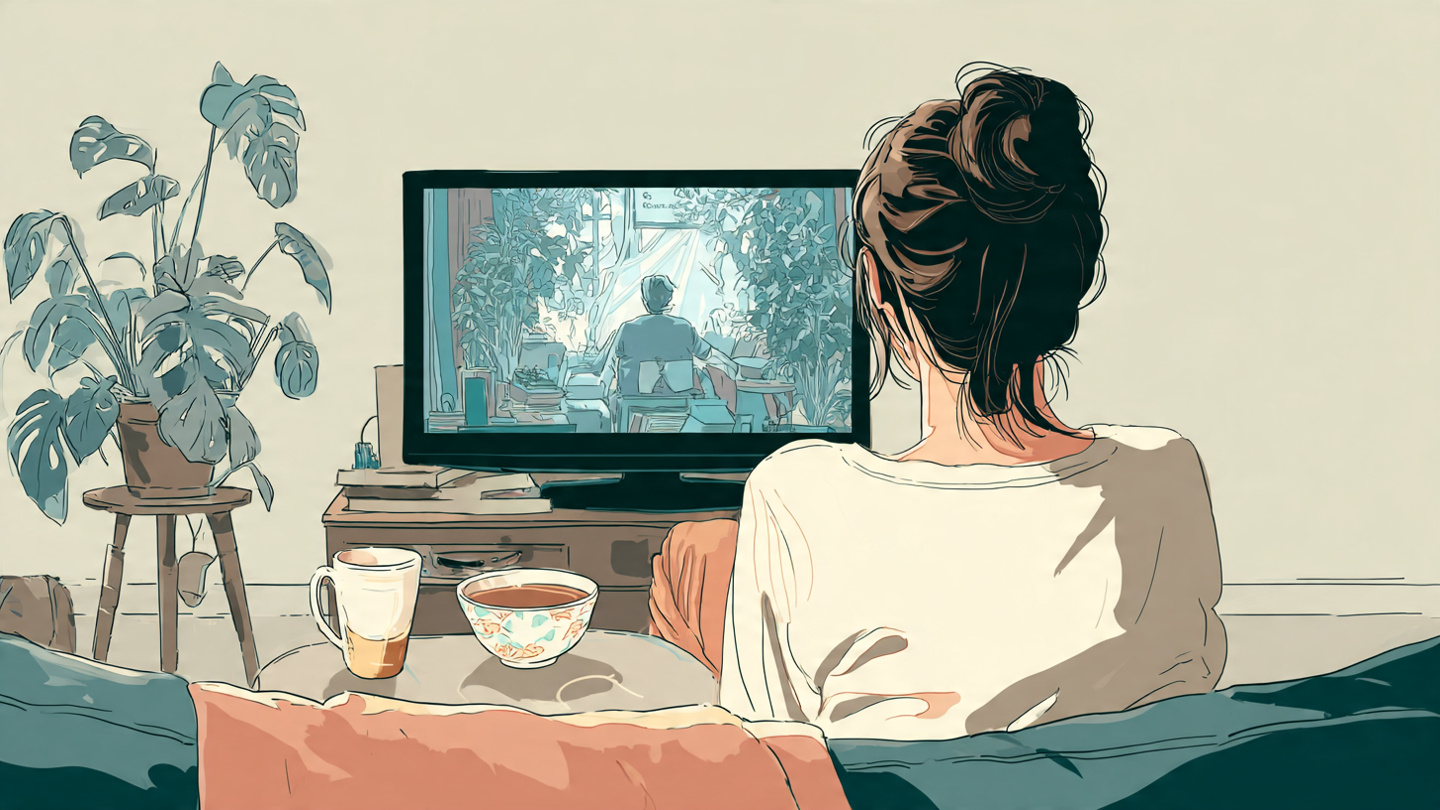
Some films feel richer each time they are revisited, as if they quietly grow with the viewer. This depth often comes from details that are not meant to be seen immediately. Directors place small elements inside scenes that live beyond first impressions.
These details do not interrupt the story or announce their presence. They exist naturally within the frame, blending into sets, movement, and sound. Their discovery feels personal, as though the film is speaking only to those who take time to look.
Hidden details are not tricks. They are traces of intention.
✨ AI Insight:
As audiences return to familiar films more often, small director-placed details begin to feel like quiet signatures, revealing care that only becomes visible over time.
Visual Symbols That Speak Quietly
Directors often use symbols that appear ordinary at first glance. A repeated shape, a color that returns, or an object placed in the background carries meaning without explanation.
These elements behave like part of the environment. They do not pause the narrative or demand interpretation.
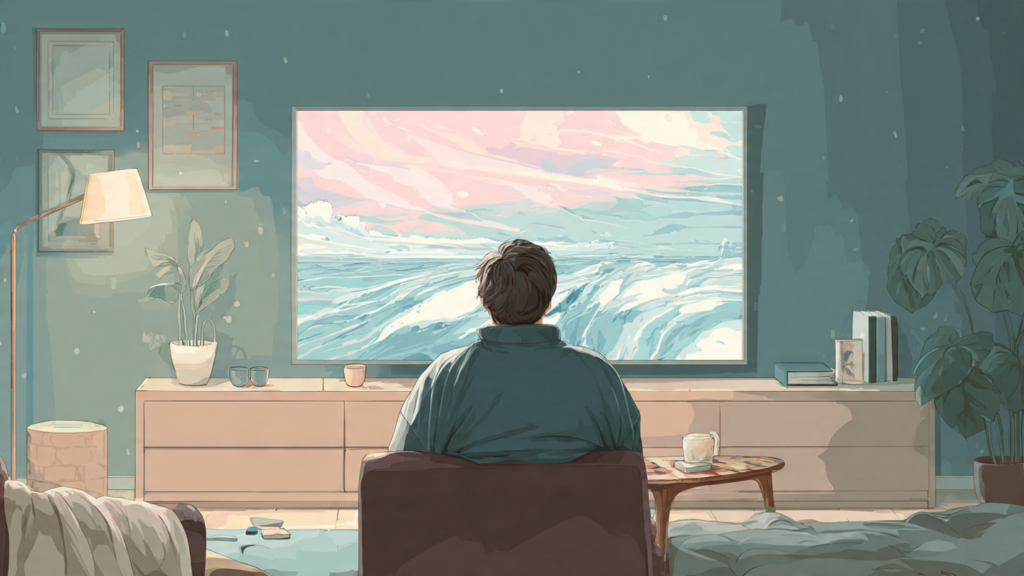
Over time, viewers begin to sense patterns. The film starts to communicate through rhythm and repetition rather than dialogue.
Framing That Guides Attention
Where a director places the camera often carries meaning beyond composition. A doorway centered in the frame, a figure isolated at the edge, or a reflection held in focus shapes how a scene is felt.
These choices are rarely noticed consciously. They influence emotion before thought.
Hidden in plain sight, framing becomes language. It guides the viewer without instruction.
Objects That Return With Purpose
Props frequently reappear across a film. A book, a photograph, or a small personal item surfaces in different moments.
Each return adds weight. The object becomes part of the character’s inner world.
These details do not require explanation. Their meaning accumulates naturally, just as memory does.
Movement That Mirrors Emotion
Directors often repeat patterns of movement. A character walks the same path in different scenes. A gesture returns under new circumstances.
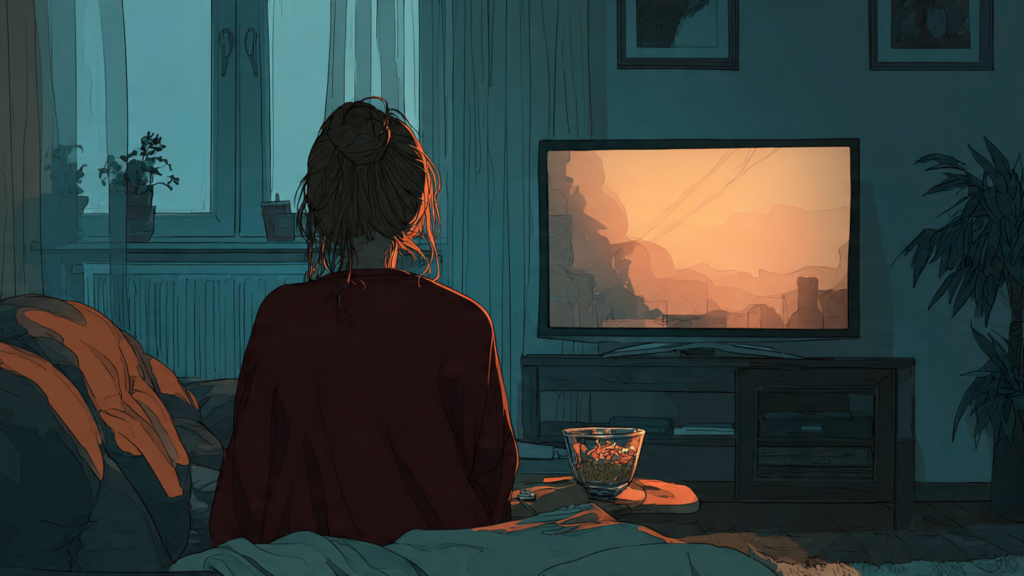
These echoes create emotional continuity. The body remembers what words do not say.
Viewers feel connection before recognizing it. The story becomes physical rather than verbal.
Sound as a Hidden Layer
Music, ambient noise, and silence are placed with care. A sound introduced early may return quietly later.
This repetition creates emotional memory. The audience senses meaning without being told.
Sound becomes a thread that ties moments together, operating beneath awareness.
Background Worlds That Feel Real
Details placed in the background give scenes depth. Posters, street names, and passing figures suggest life beyond the frame.
These elements do not advance plot. They create atmosphere.
The world feels inhabited rather than constructed, because nothing appears to exist only for the viewer.
Why These Details Matter
Hidden details reveal how directors think about time. They design films to be lived with, not consumed once.
Each viewing becomes a conversation with the work. New layers emerge without altering the story.
This approach respects attention. It allows discovery to happen naturally.
The Experience of Noticing
Noticing a hidden detail feels personal. It feels earned rather than delivered.
The viewer becomes participant. The film opens slightly.
Rewatching becomes exploration. Familiar scenes gain new dimension.
The Story Beneath the Frame
Every hidden element carries a second narrative. It exists without insisting on recognition.
Most viewers will never see it. Some will find it years later.
Both experiences are complete. The film works either way.
These details do not compete for attention.
They wait for it.