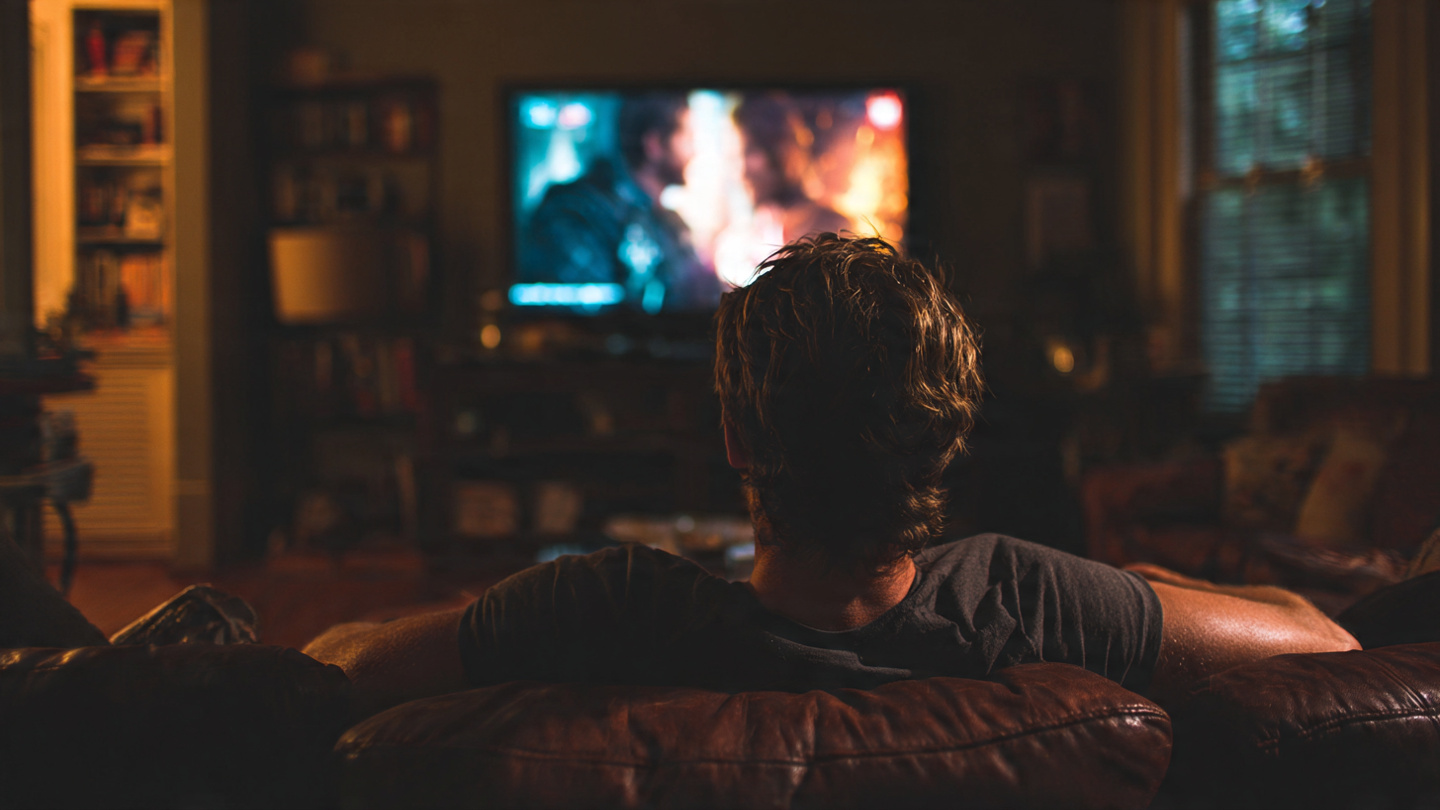
Famous movie scenes often stay with people because they feel larger than the moment itself. A glance, a pause, or a single image seems to carry more than the story openly explains. Over time, viewers begin to sense that something deeper is unfolding beneath the surface.
These moments are shaped through symbolism. Directors use light, movement, objects, and framing to express ideas that words cannot. The scene remains the same, yet its meaning grows with every return.
Symbolism does not replace story. It quietly expands it.
✨ AI Insight:
As people revisit familiar films, symbolic details often become the bridge between what is seen and what is felt, revealing meaning that only time makes visible.
Visual Language Beyond Dialogue
Movies speak in images as much as in words. A character framed alone in a wide shot can express isolation more clearly than any line of dialogue.
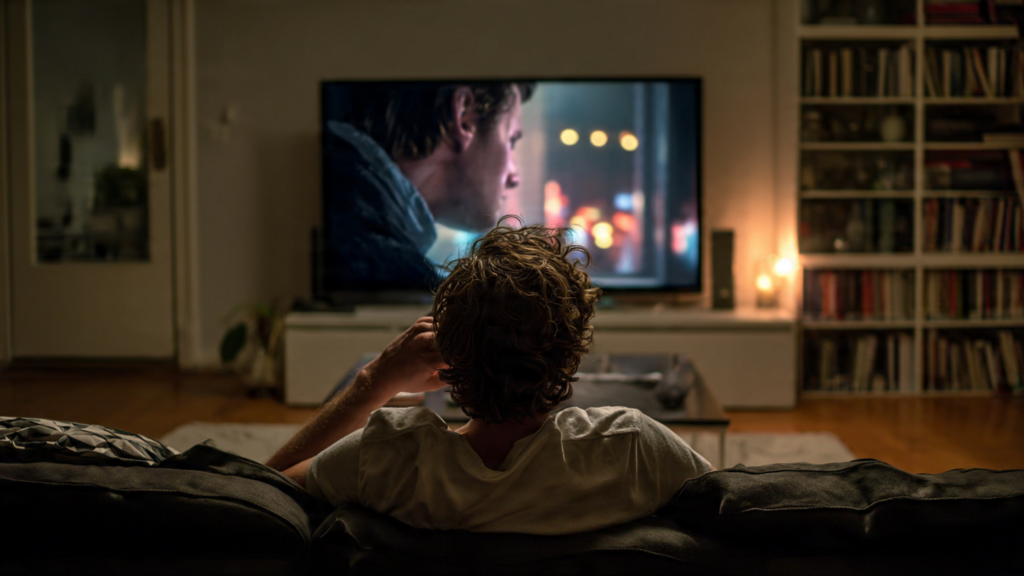
A door closing, a shadow stretching, or a light fading can communicate change. These images work emotionally before they work logically.
Viewers may not name what they feel, but they understand it. The scene becomes memorable because it speaks without explanation.
Objects That Carry Emotional Weight
Props often function as symbols. A ring, a letter, or a broken object can represent memory, loss, or commitment.
These items appear ordinary, yet they return at meaningful moments. Each appearance adds emotional weight.
Over time, the object becomes a quiet narrator. It tells a story that unfolds without words.
Light and Darkness as Meaning
Lighting often guides interpretation. Bright spaces suggest safety or openness. Darkness suggests uncertainty or inner conflict.
A character stepping into shadow can mark transition. A sudden brightness can signal clarity.
These shifts are rarely noticed consciously. They shape feeling before thought.
Symbolism works because it reaches emotion first.
Movement That Reflects Inner Change
How a character moves often mirrors what they feel. Walking forward, turning away, or standing still becomes symbolic.
A slow walk may suggest reluctance. A sudden stop may reveal doubt.
These gestures speak for the character. The audience senses transformation even before it is spoken.
Repetition That Builds Meaning
Symbols gain power through repetition. A window appears in moments of longing. Water appears in moments of renewal.
The pattern forms quietly. The viewer begins to feel continuity.
When recognized, the story feels intentional rather than accidental. Meaning emerges through rhythm.
Silence as Symbol
Sometimes what is absent carries meaning. A pause, an empty room, or a missing response becomes expressive.
Silence allows emotion to surface. It gives space for reflection.
In these moments, the scene becomes personal. The viewer fills the gap with feeling.
Why Symbolism Matters
Symbolism allows films to speak across time. It keeps stories open rather than closed.
Viewers return and find something new, not because the scene changes, but because they do.
Meaning becomes a relationship between film and audience.
The story grows without adding a single frame.
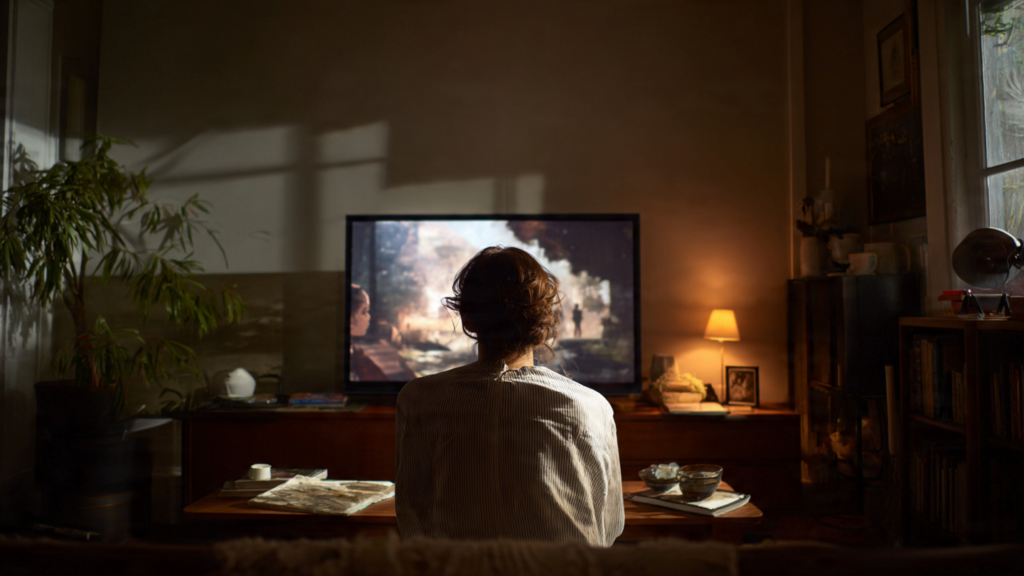
How Rewatching Reveals Depth
On a second viewing, attention shifts. The plot is known. The eye begins to wander.
Details once invisible become clear. Light, objects, and movement begin to speak.
The scene feels deeper, not because it changed, but because perception did.
The Meaning That Lives Beneath the Scene
Every symbolic moment carries a second story. It exists quietly alongside the visible one.
Some viewers will never notice it. Others will discover it years later.
Both experiences are complete.
The scene works either way.
Meaning waits.