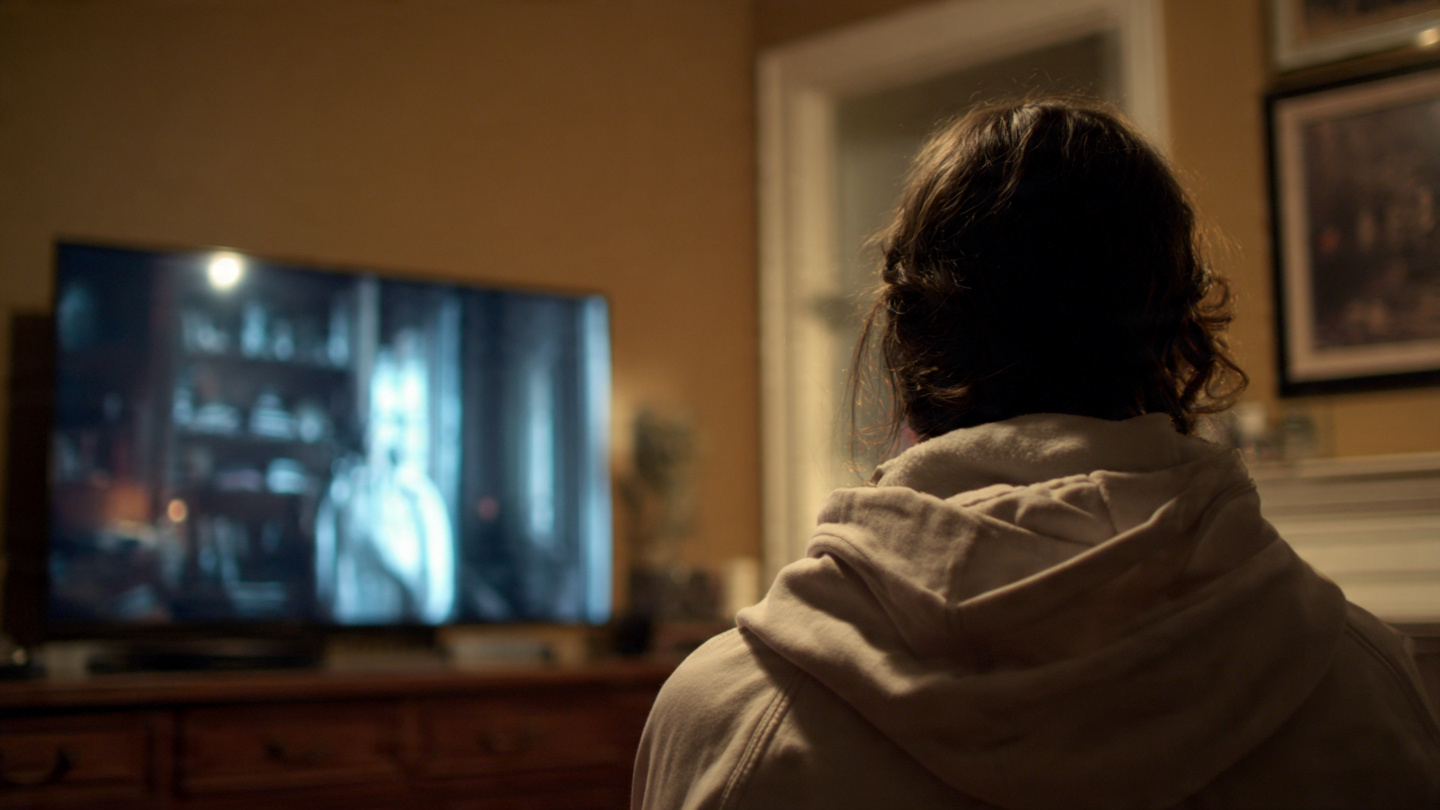
Some movie moments feel richer each time they are revisited. A familiar image begins to carry weight, and a simple object seems to speak in ways it did not before. What once felt ordinary slowly becomes meaningful.
These moments work through symbols. Directors use light, space, objects, and movement to communicate ideas that words cannot fully express. The scene remains unchanged, yet its meaning grows with attention.
Symbolism does not interrupt the story. It quietly deepens it.
✨ AI Insight:
As people return to familiar films, symbolic details often become the bridge between what was felt at first and what is understood later.
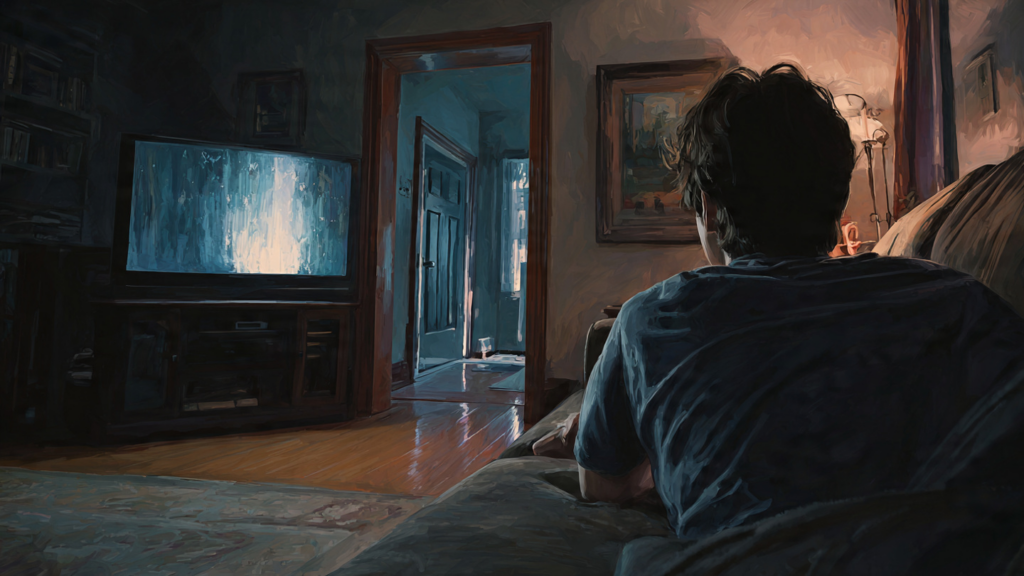
Objects That Carry Emotional History
Everyday items often become symbolic through repetition. A watch, a letter, or a photograph appears at moments that matter, gathering meaning over time.
These objects feel ordinary on first viewing. Later, they feel charged with memory.
The story gains a second voice. Meaning travels through what is held and what is left behind.
Light as a Silent Guide
Lighting shapes interpretation before thought. Bright spaces suggest openness, while shadows suggest doubt or change.
A character stepping into darkness often signals inner conflict. A sudden glow can mark clarity or release.
These shifts work emotionally rather than logically. The viewer feels transformation before naming it.
Windows, Doors, and Thresholds
Doorways and windows frequently represent transition. A character framed between spaces suggests movement from one state to another.
Standing still at a threshold often reflects hesitation. Crossing it implies decision.
These images feel natural, yet they quietly express change. The story speaks through architecture.
Water as Renewal or Loss
Water appears across films in moments of reflection, escape, or rebirth. Rain, rivers, and oceans carry emotional weight.
A character submerged may be seeking renewal. Standing at the edge can signal uncertainty.
The meaning is never explained. It is felt. The element becomes language.
Repeated Colors That Form Pattern
Color often works as symbol. A single shade returns in different scenes, linking emotion across time.
Red may signal danger. Blue may suggest distance. The repetition builds association.
Viewers sense continuity before recognizing design. The film becomes cohesive through hue.
Movement That Mirrors Inner Change
How a character moves often reveals more than dialogue. A slow walk suggests reluctance. A sudden stop reveals doubt.
When these gestures repeat, they become symbolic. The body speaks across scenes.
Transformation becomes visible without being spoken.
Silence as Expressive Space
Pauses, empty rooms, and unspoken responses carry meaning. Silence allows emotion to surface without instruction.
These moments invite participation. The viewer fills the gap with feeling.
Absence becomes part of the story’s language.
Why Symbols Matter
Symbols allow stories to remain open. They resist final explanation and invite return.
Viewers discover new meaning not because the scene changes, but because perspective does.
The film grows without adding a single frame.
How Rewatching Reveals Layers
On a second viewing, the plot is known and attention shifts. The eye begins to wander.
Details once invisible begin to speak. Light, objects, and movement form patterns.
The story feels deeper, not because it changed, but because it was always layered.
The Meaning Beneath the Frame
Every symbol carries a second narrative beneath the visible one. It exists quietly alongside the story.
Some viewers will never notice it. Others will discover it years later.
Both experiences are complete. The film works either way.
Meaning waits.