Some television shows refuse to fade into the past. Long after trends shift and screens change, these series continue to feel familiar, welcoming, and emotionally alive. Watching them today feels less like revisiting content and more like stepping back into a space that never really left.
They played during childhood evenings, weekend afternoons, and quiet nights. Over time, they became part of routine, shaping how comfort, humor, and connection were experienced. These shows were not simply watched. They were lived with.
✨ AI Insight:
As people return to older television shows in modern streaming habits, these series often feel like emotional anchors, revealing how familiarity quietly becomes part of everyday well-being.
The Power of Routine Television
Old TV shows were built around rhythm. Episodes aired at the same time each week, creating a dependable structure in daily life. Viewers did not binge. They waited, and that waiting became part of the experience.
Shows like Friends, Full House, and The Fresh Prince of Bel-Air became markers of time. Evenings felt complete once the episode ended. The screen became a clock for memory.
That rhythm created stability. Watching felt like arriving somewhere familiar.
Characters Who Felt Like Family
Television’s strength lies in repetition. Seeing the same faces week after week transforms characters into emotional companions. Over time, they feel known rather than observed.
Ross, Rachel, Joey, and Monica felt like people in the room. The Tanner family felt like neighbors. Uncle Phil felt like someone everyone recognized.
These characters grew alongside viewers. Their problems mirrored real ones. Their warmth felt personal.
The show became a social space.
Humor That Still Works
Comedy ages quickly when it relies on trend. It lasts when it is rooted in behavior. Many older shows built humor around personality rather than reference.
Seinfeld found comedy in everyday frustration. The Fresh Prince of Bel-Air balanced wit with warmth. Frasier turned insecurity into elegance.
People still misunderstand each other. They still avoid awkwardness. They still overreact. Because human behavior does not change, the jokes still land.
Laughter remains familiar.
Worlds That Feel Safe
Enduring shows often create environments that feel welcoming. Central Perk, the Tanner living room, the Banks household, and the Friends apartment became emotional shelters.
These spaces felt consistent. Problems arrived, but warmth remained. Viewers returned not only for plot, but for place.
In a world that changes constantly, these settings offer stability. They feel like rooms that never rearranged themselves.
That consistency becomes comfort.
Lessons Without Pressure
Many classic shows taught values quietly. They did not announce lessons. They let them unfold through story.
Boy Meets World explored growing up through conversation. Family Matters framed responsibility through humor. The Wonder Years reflected memory without sentimentality.
Children absorbed empathy, conflict, and resolution without realizing they were learning. The stories felt like life, not instruction.
Television became emotional education.
Growing Up With the Cast
One reason these shows remain powerful is that viewers aged alongside them. Characters moved from school to work, from confusion to clarity.
Friends followed young adulthood in real time. The Wonder Years mirrored the feeling of looking back while still living forward. That ’70s Show captured transition.
Life stages aligned with story arcs. Watching again feels like revisiting an earlier self.
The show becomes a personal timeline.
Theme Songs as Memory Triggers
Few things unlock memory faster than a theme song. A few notes from Friends, The X-Files, or Pokémon can reopen entire chapters of life.
Music bypasses logic. It goes directly to feeling. Hearing it feels like stepping into a specific room in time.
The story returns before the image does.
Sound becomes time travel.
Episodic Comfort in a Binge World
Older shows were designed to be entered at any point. Each episode stood on its own, allowing viewers to drop in without preparation.
This structure fits modern life perfectly. An episode of Friends or Frasier can play while cooking, resting, or thinking.
There is no pressure to commit. The show becomes a companion rather than a project.
That ease keeps it alive.
Rewatching as Reflection
Returning to old shows changes their meaning. Jokes land differently. Conflicts feel deeper. Characters once ignored become relatable.
An episode that once felt funny becomes thoughtful. A storyline once skipped becomes meaningful.
The show remains unchanged. The viewer evolves.
Rewatching becomes a conversation between past and present.
Why These Shows Endure
These series endure because they are emotionally accessible. They do not overwhelm. They do not demand constant attention.
They offer presence. They feel human. They allow space.
A show that allows space becomes part of life rather than something consumed.
That quality is rare.
Shared Cultural Memory
Old TV shows persist because they belong to more than one person. They are shared reference points across age and background.
A line from Friends still needs no explanation. A moment from Seinfeld still lands instantly.
These stories exist beyond the screen. They live in conversation.
They remain alive because they are shared.
The Shows That Never Left
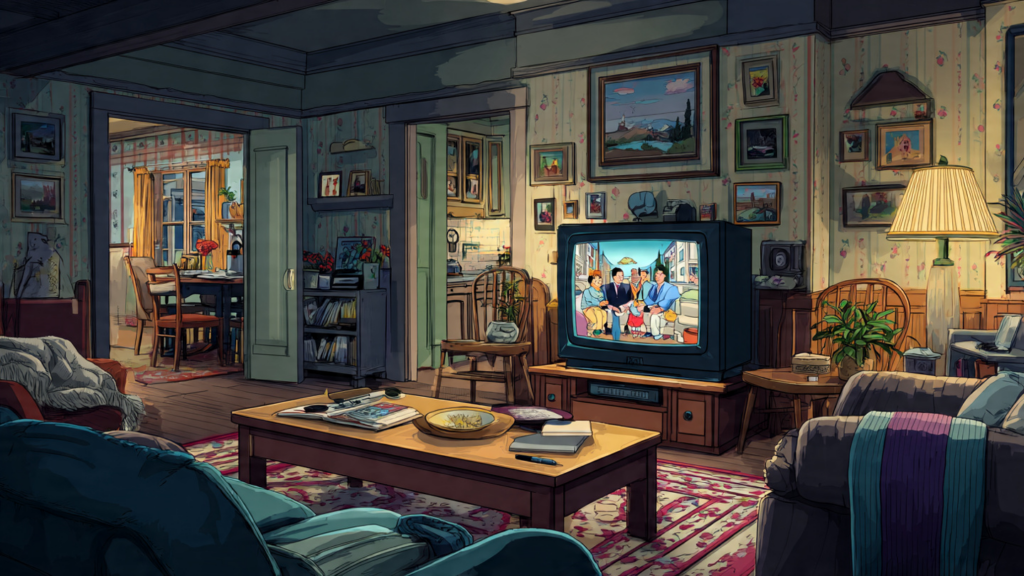
For many, these include:
Friends
Full House
The Fresh Prince of Bel-Air
Seinfeld
Boy Meets World
The Wonder Years
That ’70s Show
Family Matters
These are not just programs.
They are rooms remembered.
They are afternoons revisited.
They are versions of self.
They remain because they were never only watched.
They were part of becoming.