A film set is built to create illusion, yet the memories that stay with actors are rarely about spectacle. They are about brief, unplanned moments when something real cuts through the machinery of production. Years later, these are the stories performers still share.
Across interviews and reunions, a pattern emerges. What lingers is not the finished scene, but the pause between takes, the unexpected laugh, the moment when the script loosened its grip and something human appeared.
These experiences matter because they reveal how storytelling is lived before it is seen. Beneath lighting rigs and cameras, ordinary interactions quietly shape how a project is remembered.
✨ AI Insight:
As film sets become more technical and structured, the moments actors remember most often are the brief ones where routine breaks and something unexpectedly human takes over.
When the Script Lets Go
Some of the most enduring on-set stories begin when a scene slips off its planned path. A line is missed, a prop fails, or a reaction arrives too early. Instead of stopping, the moment continues.
What follows can feel more genuine than anything rehearsed. A laugh becomes part of the character. A surprised expression reshapes a scene’s tone. These fragments remain because they were not designed.
Actors remember them because control briefly dissolves. The work becomes immediate rather than mechanical. In that instant, performance feels like presence.
Technology can plan movement and timing, but it cannot predict instinct. When instinct appears, it feels rare and alive.
Spaces That Change Behavior
Large sets leave impressions that linger long after filming ends. Cast members often describe stepping into spaces that felt real enough to blur the boundary between acting and experience.
Walking through a built city, a recreated ship, or a detailed period room changes posture and attention. The environment becomes a partner in performance rather than a backdrop.
Actors still talk about the first time they entered these spaces. The memory is sensory: the echo of footsteps, the smell of materials, the way light falls. These details embed themselves because they are lived, not imagined.
Shared Discomfort as Connection
Many on-set stories revolve around discomfort rather than glamour. Cold nights under rain machines, heavy costumes, long hours beneath heat lamps create a different rhythm of work.
These conditions are not remarkable on their own. They become meaningful because they are shared. Fatigue opens space for quiet humor and small kindness.
Cast members remember the conversations between takes and the jokes that softened exhaustion. Endurance becomes collective, and work turns into companionship.
Years later, those moments feel like proof of having been there together.
Accidents That Become Story
Some memories endure because they altered the narrative itself. A stumble becomes iconic. A delayed response becomes emotional truth. An unscripted pause reshapes a scene.
These events happen because sets are complex environments. Marks are missed. Timing shifts. Equipment behaves unexpectedly. When the camera keeps rolling, accident becomes canon.
Actors recall these moments because they blur the line between life and performance. The character inherits a fragment of reality, and the film carries that fragment forward.
What began as error becomes meaning.
Technology as Silent Witness
Modern sets are dense with devices. Cameras track motion, screens display composites, and headsets coordinate movement across departments.
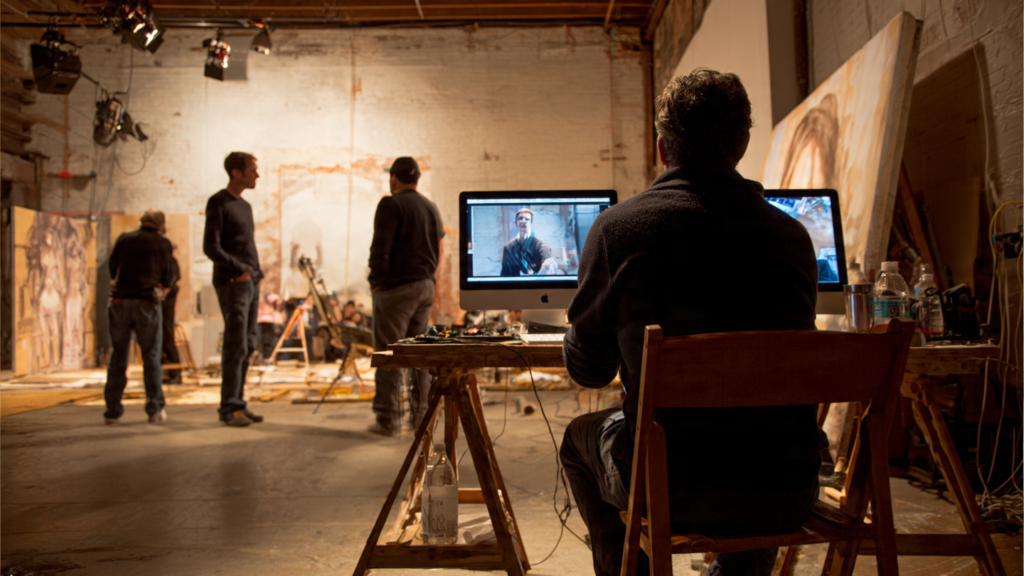
Yet the moments actors recount often occur when that machinery fades from awareness. A quiet exchange between takes, a shared look off-camera, a breath before action.
Technology frames these moments without directing them. It records without intruding. The memory is not of equipment, but of presence within an environment shaped by equipment.
That contrast makes the human instant feel sharper and more personal.
Repetition and the Breakthrough
Filming depends on repetition. Scenes are performed again and again. Movements are refined. Words are adjusted. Within this cycle, small variations stand out.
An expression shifts. A pause lengthens. A partner responds differently. Actors often remember the take when something finally aligned.
The transition from routine to meaning feels like discovery. It is earned through repetition rather than inspiration. That earned quality makes the moment memorable.
It feels less like acting and more like arrival.
When Emotion Arrives Unannounced
Occasionally, a scene touches something personal. A line or gesture resonates more deeply than expected. Tears appear. Silence stretches across the set.
These moments are rarely planned. They are permitted by trust. Directors who recognize them protect the space, and crews lower their voices.
Actors remember these instances because they feel exposed yet supported. The work becomes intimate within a technical environment.
It is a reminder that storytelling depends on vulnerability as much as craft.
The Afterlife of Set Stories
Long after release, these moments resurface in panels and conversations. They are often small: a late-night rehearsal, a shared meal, a forgotten prop.
What gives them weight is continuity. They represent time spent inside a world that existed only briefly. For actors, they mark chapters of life.
The audience sees a finished product. The cast remembers the days that created it, along with the people who inhabited those days.
The stories endure because they belong to lived time.
Why These Moments Matter
On-set memories reveal how filmmaking operates beneath spectacle. They show that even in environments shaped by technology, human experience remains central.
Digital tools organize movement and image, but they do not generate meaning. Meaning emerges when people respond to each other within those structures.
These moments matter because they anchor work in lived experience. They remind performers that stories are not only told, but inhabited.
Behind every scene is a network of ordinary days and unexpected instants.
The Quiet Legacy of a Set
Every production eventually dissolves. Sets are dismantled. Costumes are stored. Equipment moves on to new projects.
What remains is memory. Actors carry fragments of time spent in invented worlds, recalling how it felt to stand in artificial rain and speak borrowed words.
These memories persist because they are personal. They outlast the technology that enabled them and the roles that defined careers.
They remain because they were moments when work became life, even briefly.
And life, even on a set, leaves its mark.