
There was a time when a performance existed only in the moment it was first seen. Once a theatrical run ended, its influence faded quickly, preserved mainly through memory and reputation. Today, many performances live on in a very different way—revisited, recontextualized, and quietly folded into everyday viewing habits.
The performances that make history are not always those that feel monumental at release. More often, they are the ones that continue to function as reference points long after the conditions around them have changed.
What It Means for a Performance to “Make History”
A historically significant performance does not simply win awards or dominate headlines. Its importance lies in how it alters expectations—of what acting can look like, how stories can be told, or how audiences relate to characters. These performances introduce a shift that others build upon, sometimes without consciously acknowledging the source.
In earlier decades, history-making roles were often tied to social moments or cinematic milestones. While that remains true, the definition has expanded. Today, a performance can make history by adapting seamlessly to new technologies, new viewing behaviors, and new production norms, while preserving emotional clarity.
The common thread is endurance. These performances remain intelligible and relevant as formats, platforms, and audiences evolve.
✨ AI Insight:
As digital preservation and discovery tools became routine parts of media consumption, historically important performances gained extended life through steady, low-friction access rather than singular moments of attention.
Performance in a Technologically Mediated World
Modern performances are shaped by systems that operate quietly in the background. Cameras capture more detail than ever before. Editing workflows allow for fine-grained control over pacing. Distribution platforms ensure that work remains available indefinitely.
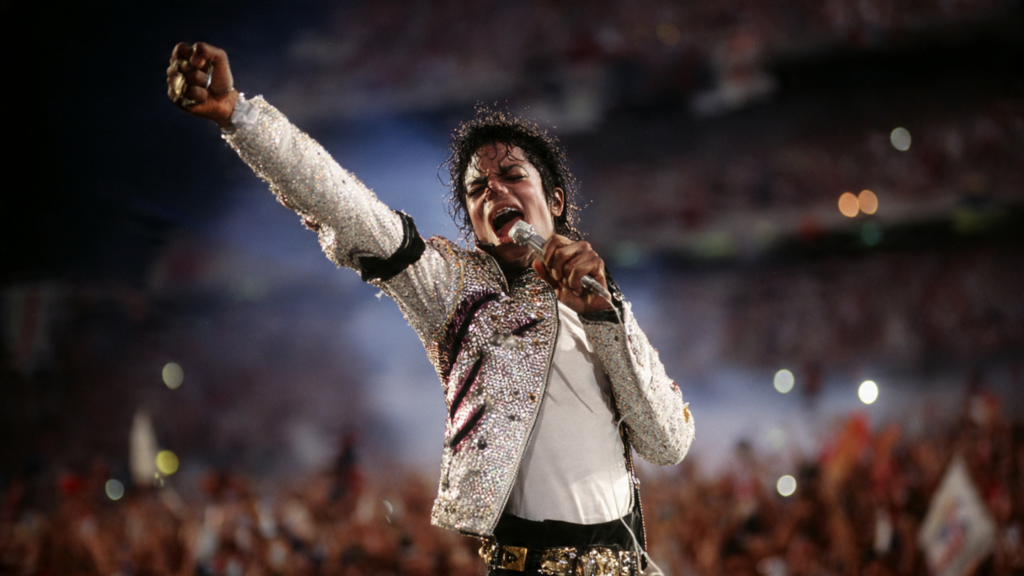
A performance that makes history today must survive this environment. It must hold together under close scrutiny, repeated viewing, and fragmented consumption. Subtle inconsistencies are easier to spot. Overstatement becomes more apparent over time.
Actors whose performances endure tend to work with this reality rather than against it. They deliver work that remains coherent whether viewed in a theater, streamed at home, or encountered through a short excerpt.
Shifts in How Audiences Engage
Audience behavior plays a significant role in shaping historical impact. Viewers no longer encounter performances only once. They pause scenes, rewatch sequences, and return years later with different perspectives.
Performances that make history often reward this behavior. They offer layers without demanding interpretation. Meaning emerges gradually, shaped by context and repetition rather than immediate explanation.
This aligns with everyday technology use. Tools that integrate smoothly into routines tend to become indispensable. Similarly, performances that do not require constant attention or explanation tend to become part of cultural memory.
Beyond the Center of the Frame
Not all history-making performances are defined by dominance or visibility. Some are notable for restraint. They influence tone, pacing, or narrative balance without drawing focus to themselves.
These performances often become clearer in retrospect. When later work references their approach—favoring subtle shifts over overt transformation—their influence becomes easier to trace.
In digitally complex productions, this restraint is especially valuable. As visual effects and layered sound design increase, performances that remain grounded provide stability. They anchor stories amid technical sophistication.
Cultural Reach Without Dependence on Trends
Another defining feature of historically significant performances is their resistance to dating. They do not rely heavily on topical references, exaggerated style, or moment-specific gestures. Instead, they engage with conditions that remain recognizable: uncertainty, resolve, contradiction, and adaptation.
This universality allows performances to travel across time and geography. New audiences encounter them without requiring extensive context, while returning viewers reinterpret them through their own experiences.
As content libraries grow and older work remains accessible, this quality becomes increasingly important. Performances that make history tend to feel neither old nor new, but present.
Influence on Craft and Expectation
History-making performances shape not only audience memory but professional standards. They influence how similar roles are approached, how scripts are written, and how directors frame actors within a scene.
This influence is often indirect. The performance becomes a benchmark rather than a template. It demonstrates what is possible under certain constraints, encouraging others to explore similar territory without imitation.
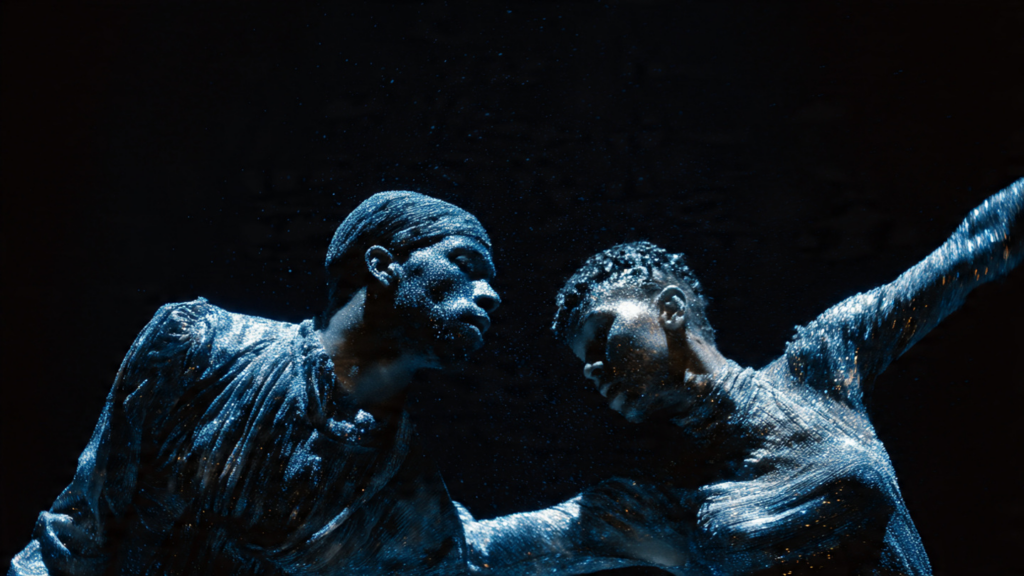
In an industry shaped by data and metrics, these performances also provide evidence. They show that audiences respond to coherence and credibility over time, reinforcing choices that prioritize durability over immediacy.
The Role of Rewatching and Archiving
One reason performances make history today is their availability. Films are no longer bound to limited release windows. They remain searchable, streamable, and shareable.
This permanence changes how impact is measured. Instead of relying on opening-weekend reactions, significance accrues through sustained engagement. Performances are evaluated not just on first impression, but on how they hold up.
In this environment, history is built gradually. A performance becomes historically important because it continues to be encountered—and continues to work.
Why It Matters
Understanding performances that made history offers insight into how creative work adapts to long-term systems. For audiences, it explains why certain roles feel foundational even when separated from their original moment. For creators, it highlights the value of work that anticipates reuse, reinterpretation, and extended life.
Beyond film, the pattern is familiar. Lasting contributions are rarely defined by immediate impact alone. They persist because they fit evolving conditions without losing purpose.
A Record Written Over Time
Performances that make history do not declare themselves as such. Their status is written slowly, through repetition, reference, and continued relevance. They remain present not because they demand attention, but because they function wherever they appear.
As technology continues to shape how stories circulate, these performances stand as quiet markers of change. They show that history is often made not by spectacle, but by work that remains human, adaptable, and watchable—long after its debut.