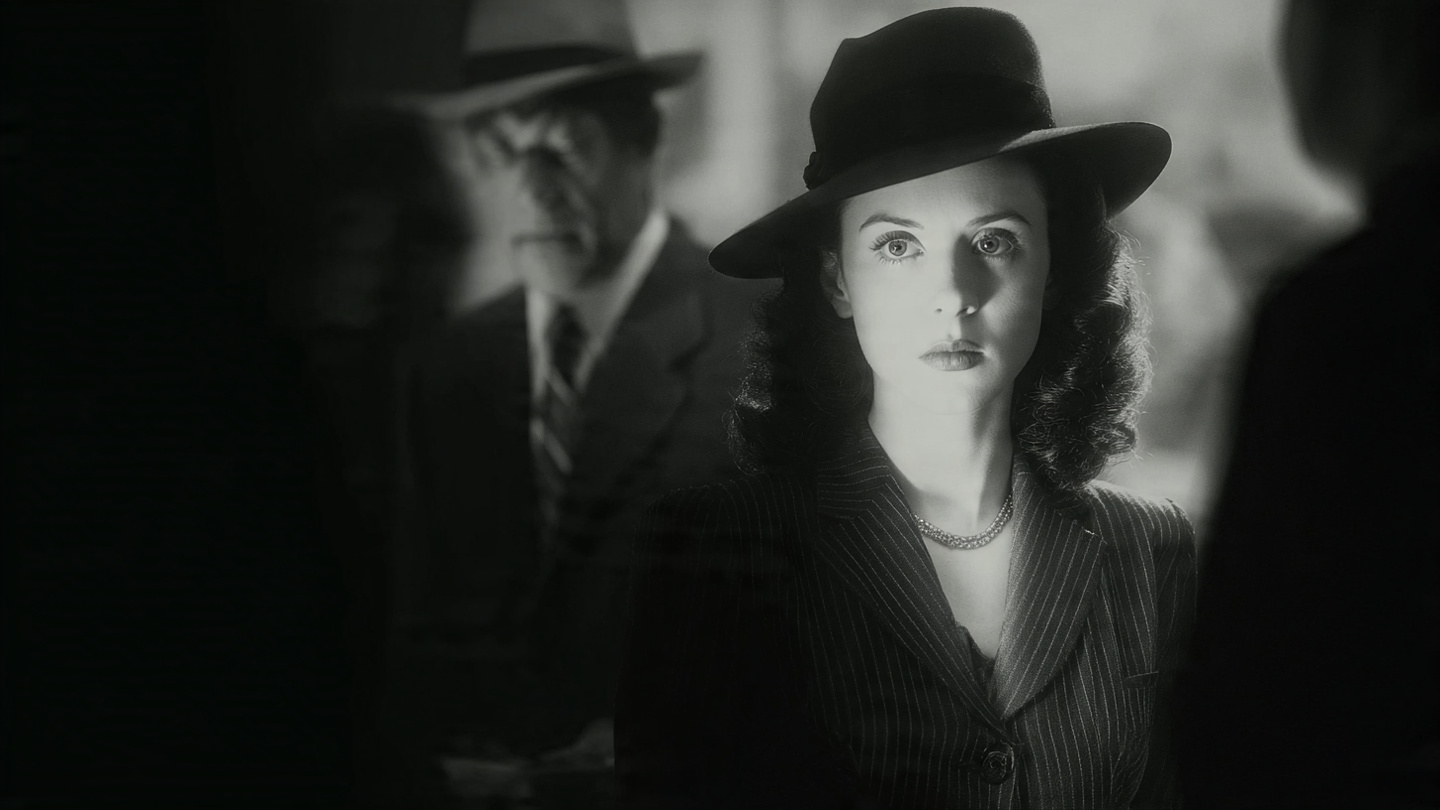
Some movie quotes stop being lines in a script and start living in everyday speech. They move from screen to street, from cinema to kitchen table. Long after the scene fades, the words remain.
At home, these quotes appear casually. Someone repeats them while making tea. Another uses them in place of a reply. Over time, they become part of how a household speaks.
In everyday interiors, film dialogue functions less as memory and more as language. It fills pauses, softens tension, and adds rhythm to ordinary conversation.
✨ AI Insight:
With constant access to clips, subtitles, and rewinds, memorable lines are reinforced through repetition, allowing them to migrate from screen to speech without conscious effort.
Why Certain Quotes Travel
A quote that becomes pop culture is usually simple. It carries emotion in a compact form and lands at a moment of clarity. The words feel inevitable.
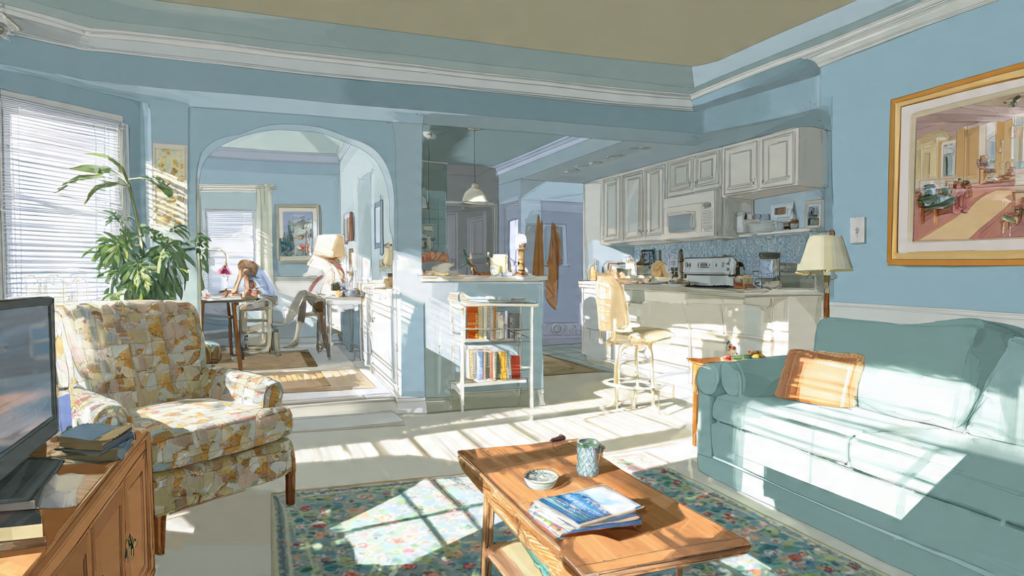
These lines are rarely verbose. Their power comes from timing, delivery, and silence around them. The phrase arrives when the story opens a door.
Viewers do not memorize these words. They absorb them. The quote attaches itself to feeling rather than plot.
That attachment is what gives it mobility. When a similar emotion appears in life, the words resurface naturally.
In a home, that resurfacing feels effortless. The room becomes a place where film language lives.
From Screen to Speech
Once a quote leaves the film, it begins a second life. It stops belonging to a character and starts belonging to people.
A line becomes a joke between friends. It becomes reassurance between partners. It becomes shorthand for a shared moment.
Meaning shifts, yet the emotional core remains. The words travel easily because they are already charged.
In domestic spaces, this transition feels natural. The quote blends into conversation without ceremony.
Film language becomes household language.
Homes as Echo Chambers
Every household develops its own vocabulary. Movie quotes often become part of that internal dialect.
A hallway hears the same joke each morning. A kitchen absorbs a familiar refrain.
Over time, rooms become associated with particular phrases. A stairway remembers laughter. A sofa remembers banter.
The home does not merely host speech. It stores it.
These echoes give space personality. The house sounds like the people who live in it.
Sound and Rhythm
What makes a quote enduring is often its sound. Rhythm, pause, and tone matter as much as meaning.
A sentence lands because it feels right in the mouth. It wants to be repeated.
Rewatching reinforces this cadence. The ear learns it before the mind does.
In homes, dialogue plays while life continues. A person hears the line without looking.
Sound embeds itself into routine.
Technology and Replay
Earlier generations encountered these quotes occasionally. Today, they are always within reach.
Clips circulate through feeds. Subtitles highlight phrasing. Scenes replay with a tap.
This availability accelerates adoption. A phrase moves from movie to message to mouth.
Screens in kitchens and bedrooms host these moments.
Language migrates through devices and settles into conversation.
Generational Bridges
Pop culture quotes often travel across age. Parents pass them to children. Friends introduce them to newcomers.
A phrase becomes a bridge between eras of taste. One movie links different years of life.
In homes, this continuity feels tangible. A child repeats a line first heard from a parent.
The words carry history without explanation. They connect moments separated by time.
Rooms witness this transfer quietly.
When Meaning Evolves
Once removed from their films, quotes change. Irony replaces sincerity. Humor replaces drama.
A serious declaration becomes a joke. A threat becomes a greeting.
This evolution keeps language alive. It adapts to context rather than freezing in time.
In a household, meaning is negotiated. A line becomes shorthand for mood.
The home becomes a laboratory for reinterpretation.
Presence Without Performance
Quoting is rarely theatrical. It is casual and unannounced.
People let the words slip rather than perform them.
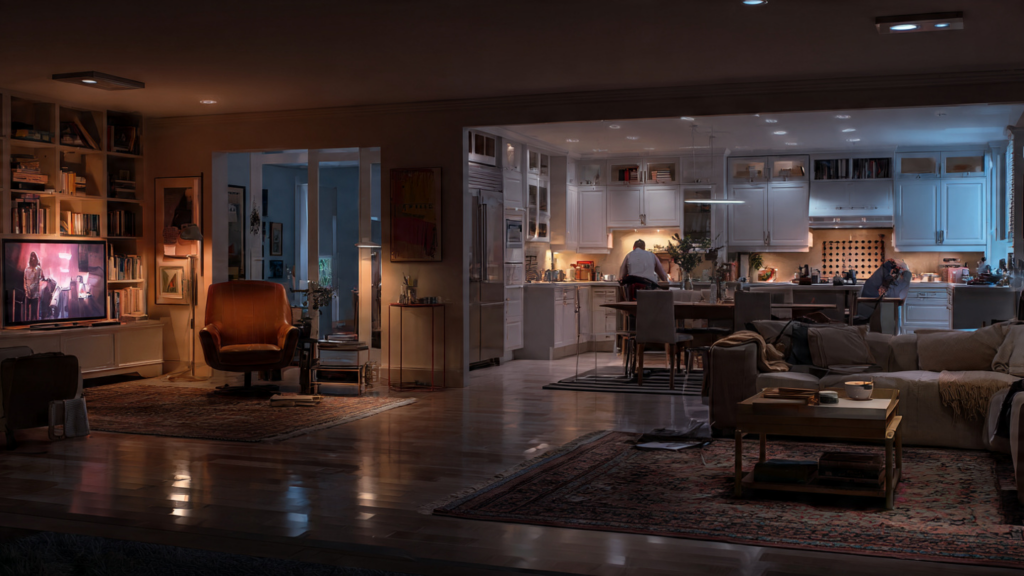
This subtlety allows quotes to blend into life.
The room does not feel like a stage. It feels like a place of shared memory.
The film becomes part of daily speech.
Quotes as Emotional Shortcuts
A pop culture quote works because it carries feeling faster than explanation.
Instead of describing a mood, the words summon it.
This efficiency suits everyday life. Conversation moves quickly.
A single phrase replaces a paragraph.
The home becomes a place where emotion travels lightly.
Why Repetition Strengthens
Hearing a quote again does not weaken it. It deepens familiarity.
Surprise becomes recognition. The words arrive as expected, yet still resonate.
This predictability is comforting. It fits domestic rhythm.
A home thrives on repetition. Meals, mornings, and evenings follow patterns.
The quote becomes part of that pattern.
The Room as Witness
Over time, certain spaces become associated with these words.
A dining table remembers a phrase. A doorway recalls laughter.
The home becomes archive.
Not of objects, but of language.
Walls hold echoes of speech.
Quotes Beyond Their Films
Eventually, a pop culture quote no longer requires its movie.
People know it without context. It stands alone.
The film recedes, but the words remain active.
This independence is what makes a quote legendary.
It survives without support.
Pop Culture as Domestic Culture
What becomes pop culture often becomes home culture first.
Quotes are tried in conversation, tested in humor, and kept if they work.
A phrase that fits domestic life survives.
It proves useful. It feels right.
The home decides what endures.
Why It Matters
Homes are shaped by what repeats within them. Familiar quotes contribute to atmosphere as much as light or sound.
They soften silence. They mark belonging. They turn rooms into social spaces.
This matters because language shapes comfort. A house feels warmer when it speaks.
Pop culture quotes offer common ground. They create recognition without explanation.
They allow people to feel understood quickly.
In a world of constant new content, these old words persist. They return because they fit.
They do not interrupt routine. They become part of it.
A kitchen that echoes with a familiar line remembers more than furniture.
It remembers connection.
That is why quotes become pop culture.
Not because they are clever.
Because they learn how to live with us.