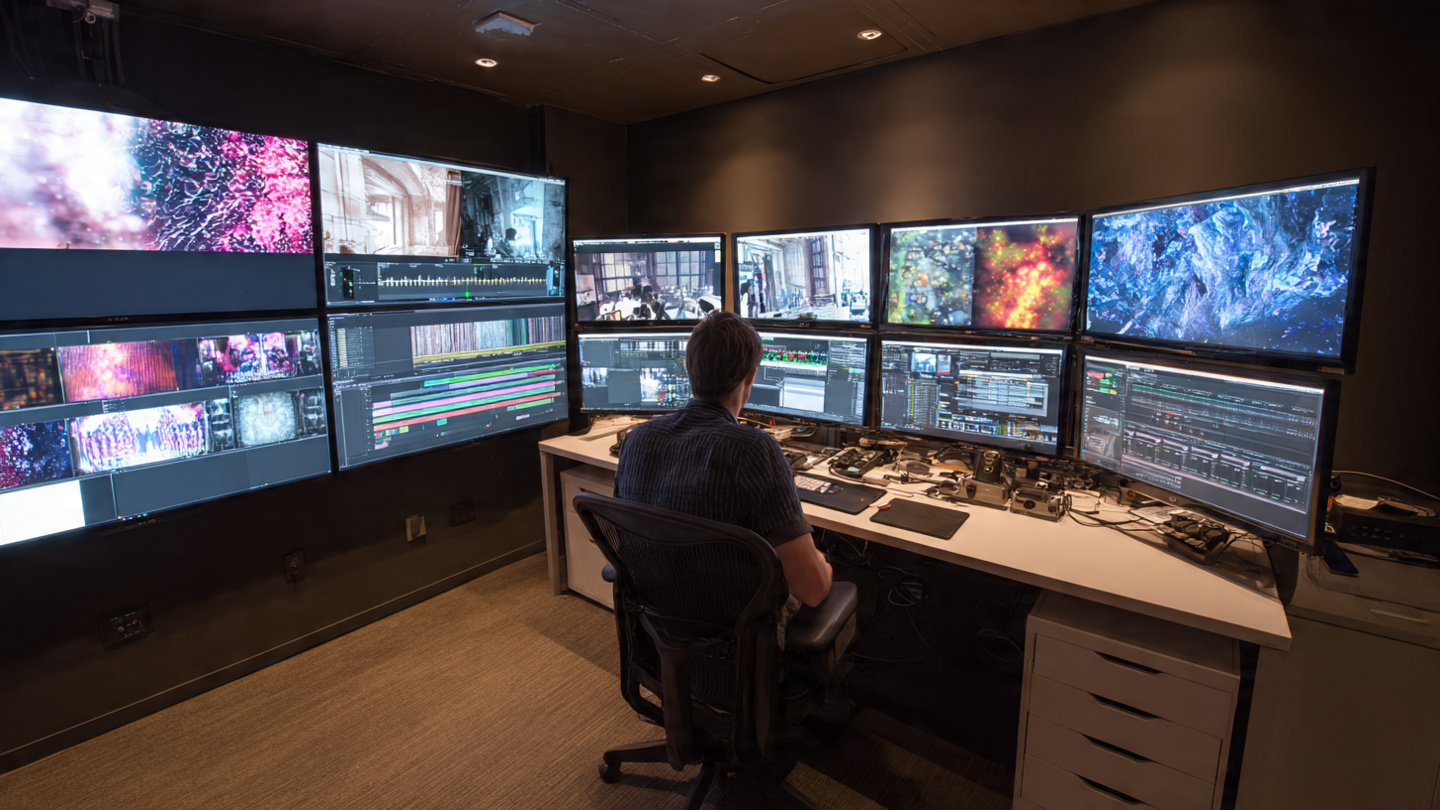
A film often feels settled by the time it reaches theaters, as though every frame has found its permanent place. What many viewers never realize is how close some scenes come to surviving until the very end, only to vanish days or even hours before release.
These last-minute removals are not impulsive. They happen because stories continue to reveal themselves late in the process. A film may look finished, yet still feel slightly misaligned in tone, pace, or clarity.
In those final stages, even a strong scene can become expendable if it no longer serves the whole.
✨ AI Insight:
As editing tools make late changes easier, films increasingly discover their final shape at the edge of completion, where small removals quietly redefine how the story feels.
When the Ending Feels Off
Many last-minute cuts occur near the conclusion. Endings carry weight, and even minor imbalance becomes noticeable once the rest of the film is fixed.
A scene may explain too much, linger too long, or shift emotion in an unintended direction. What once felt meaningful may suddenly feel heavy.
Rather than rebuild everything around it, filmmakers let the scene go. The story closes more naturally, even if something beautiful is lost.
Pacing That Reveals Itself Late
Pacing is difficult to judge until a full cut exists. Early in editing, each scene has a purpose. Only later does the overall rhythm become clear.
A moment that once felt essential may slow momentum once placed within the complete arc. The delay becomes visible only in context.
Late removal restores flow. The audience never senses the adjustment, only the smoothness it creates.
Tone That Drifts Subtly
Tone is fragile near the finish line. A single scene can tilt a film from reflective to sentimental, from tense to gentle.
These shifts may be invisible in isolation. They emerge only after repeated viewings, when emotional balance begins to feel uneven.
Last-minute cuts protect coherence. The film’s voice remains steady because one note was silenced.
Performances That Change Meaning
Occasionally, a scene is removed because it reshapes a character too clearly. A confession explains motivation. A moment of kindness softens conflict.
These scenes often work well, yet redefine how earlier actions are read. The story loses ambiguity.
By cutting them late, filmmakers preserve mystery. The character remains open rather than resolved.
Practical Limits at the Final Hour
Some removals happen for practical reasons. Effects may not reach expected quality. Sound may remain unstable. Continuity issues may resist repair.
Rather than weaken the illusion, creators choose absence. Technology allows flexibility, but it also draws lines.
The audience never sees the compromise. They feel only the cohesion.
The Emotional Cost of Letting Go
Last-minute cuts can be difficult for those who created them. Time, effort, and performance disappear from view.
Actors may have poured meaning into scenes that no longer exist. Crew members remember building moments that vanish.
Yet this loss is part of refinement. The film becomes itself through release.
Creation includes removal.
Why These Cuts Matter
Scenes removed at the last minute reveal how fluid storytelling remains until the end. A film is not finished when shooting ends or when editing begins.
It is finished when it feels whole.
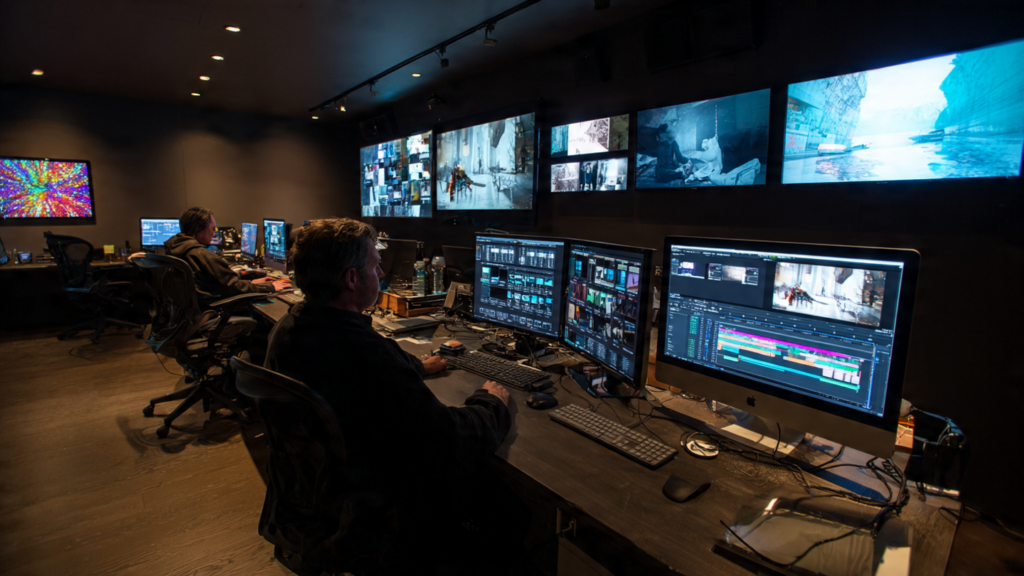
These cuts show that wholeness is sensed, not calculated. It emerges through repeated watching and quiet adjustment.
What remains feels inevitable because alternatives were allowed to fade.
The Version That Almost Was
Behind every finished film lives another version that existed briefly at the edge of completion. It carried different pauses, different explanations, different weight.
These scenes mattered enough to be made. They mattered enough to be tested.
They were removed so the story could breathe.
The audience never meets them.
Yet they shaped what remains.