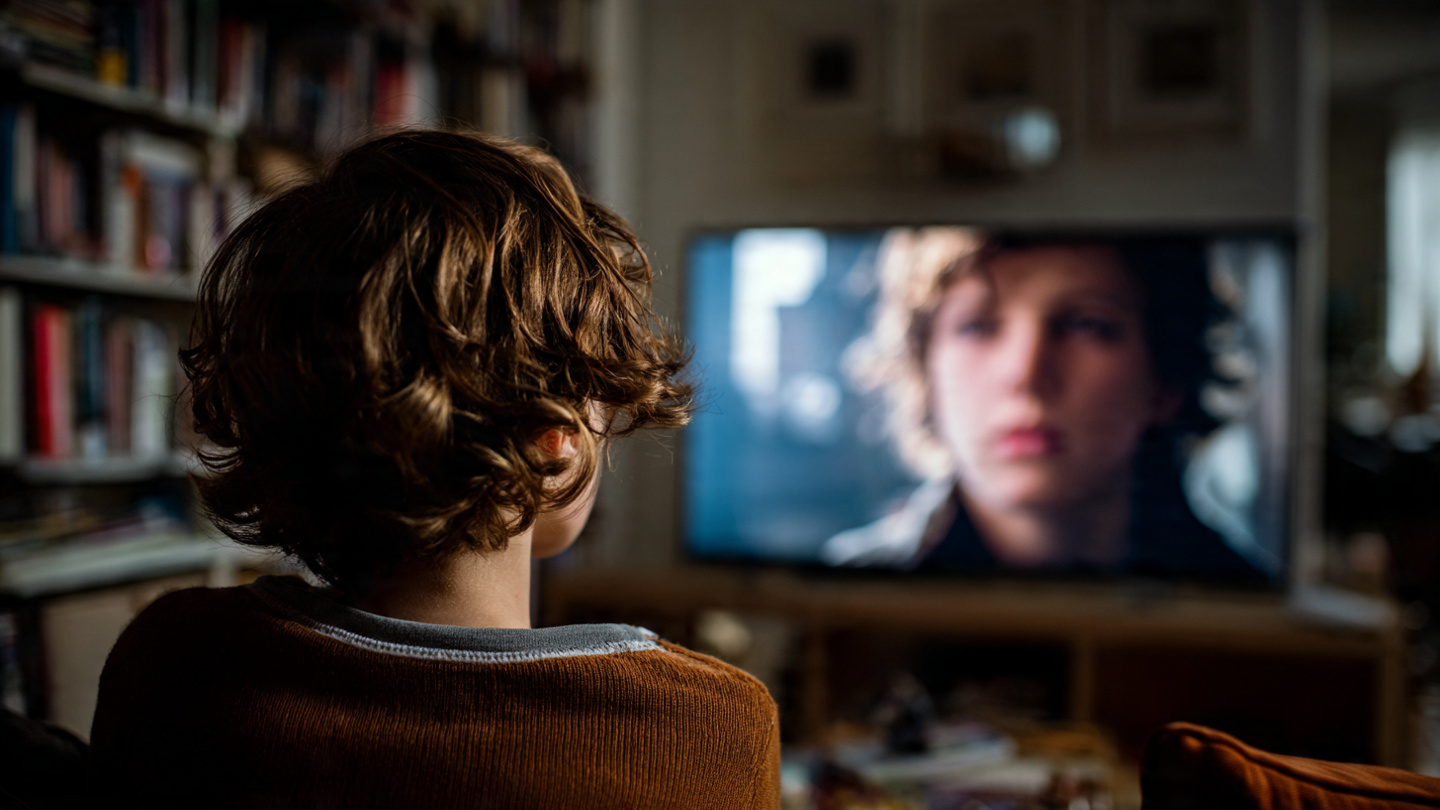
Many movies feel straightforward on a first watch. The plot is clear, the characters make sense, and the ending lands where expected. Yet when viewers return, something subtle often shifts. Scenes feel heavier, expressions seem deliberate, and background moments begin to speak.
These changes rarely come from new information. They come from small details that were always there. A look from Leonardo DiCaprio in Inception, a line delivered quietly by Bruce Willis in The Sixth Sense, or a prop resting behind Andy Dufresne in The Shawshank Redemption can quietly transform the entire story.
The movie does not change. The story does.
✨ AI Insight:
As people rewatch familiar films, tiny details often become the moment where entertainment turns into interpretation, reshaping how the story lives in memory.
A Look That Rewrites a Character
In The Dark Knight, Heath Ledger’s Joker often reacts before speaking. A brief tilt of the head or a lingering stare reframes entire scenes. On a first watch, these moments feel like performance style.
On return, they feel like warnings. The Joker is always thinking, always calculating. That awareness changes how every encounter is read.
A single look turns unpredictability into intention. The character becomes more than chaotic. He becomes deliberate.
Lines That Gain Weight Over Time
In The Sixth Sense, Bruce Willis’s character speaks in ways that seem ordinary at first. His conversations feel restrained, even distant.
On a second viewing, every line carries absence. His inability to interact normally becomes meaning rather than mystery.
What once felt like awkward writing becomes revelation. The story was always speaking. The viewer simply did not yet understand the language.
Objects That Tell a Second Story
In The Shawshank Redemption, Andy’s rock hammer appears insignificant. It rests quietly in his cell, barely acknowledged.
Later, it becomes the key to everything. On return, its presence changes every scene. Each moment Andy holds it feels purposeful.
The object transforms patience into intention. The story shifts from endurance to strategy without changing a single frame.
Background Moments That Alter Meaning
In Jurassic Park, early scenes show John Hammond speaking warmly about wonder and progress. Behind him, broken objects and flickering systems quietly contradict his optimism.
On a first watch, these details feel atmospheric. On return, they feel prophetic. The park was never stable.
The story becomes less about surprise and more about inevitability. Disaster was always present.
Framing That Changes Emotion
In Titanic, James Cameron repeatedly frames Rose at thresholds. She stands between rooms, between decks, between identities.
At first, these moments feel romantic. On rewatch, they become symbolic. Rose is always in transition.
The framing transforms romance into rebirth. The film becomes a story about escape as much as love.
Repetition That Forms Narrative
In The Matrix, Neo repeatedly fails before succeeding. Doors close. Jumps fall short. The same patterns return.
On a first watch, these moments feel like pacing. On return, they feel like structure.
The repetition becomes the message. Change requires persistence. The story speaks through rhythm rather than dialogue.
Sound That Carries Meaning
In Jaws, the theme appears before the shark. It becomes a presence rather than music.
At first, it creates tension. Later, it becomes identity. The shark exists even when unseen.
The sound transforms absence into threat. The movie teaches fear without showing danger.
Why These Details Matter
Small details change stories because they shift perspective. They move meaning from surface to structure.
Viewers begin to experience films rather than follow them. The story becomes layered.
Rewatching becomes discovery. Familiar scenes feel new.
The movie grows without adding anything.
How Real Performances Make It Work
Actors carry these details. A glance from Meryl Streep in The Devil Wears Prada communicates authority before a word is spoken.
A pause from Joaquin Phoenix in Her reveals vulnerability more than dialogue.
These performances place meaning between lines. The story lives in restraint.
The Story Beneath the Plot
Every great film contains two narratives. One is visible. One is felt.
Small details build the second. They wait for time to unlock them.
Some viewers will never notice them. Others will find them years later.
Both experiences are complete.
What changes is not the movie.
What changes is how it is seen.