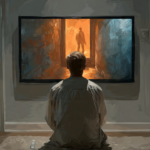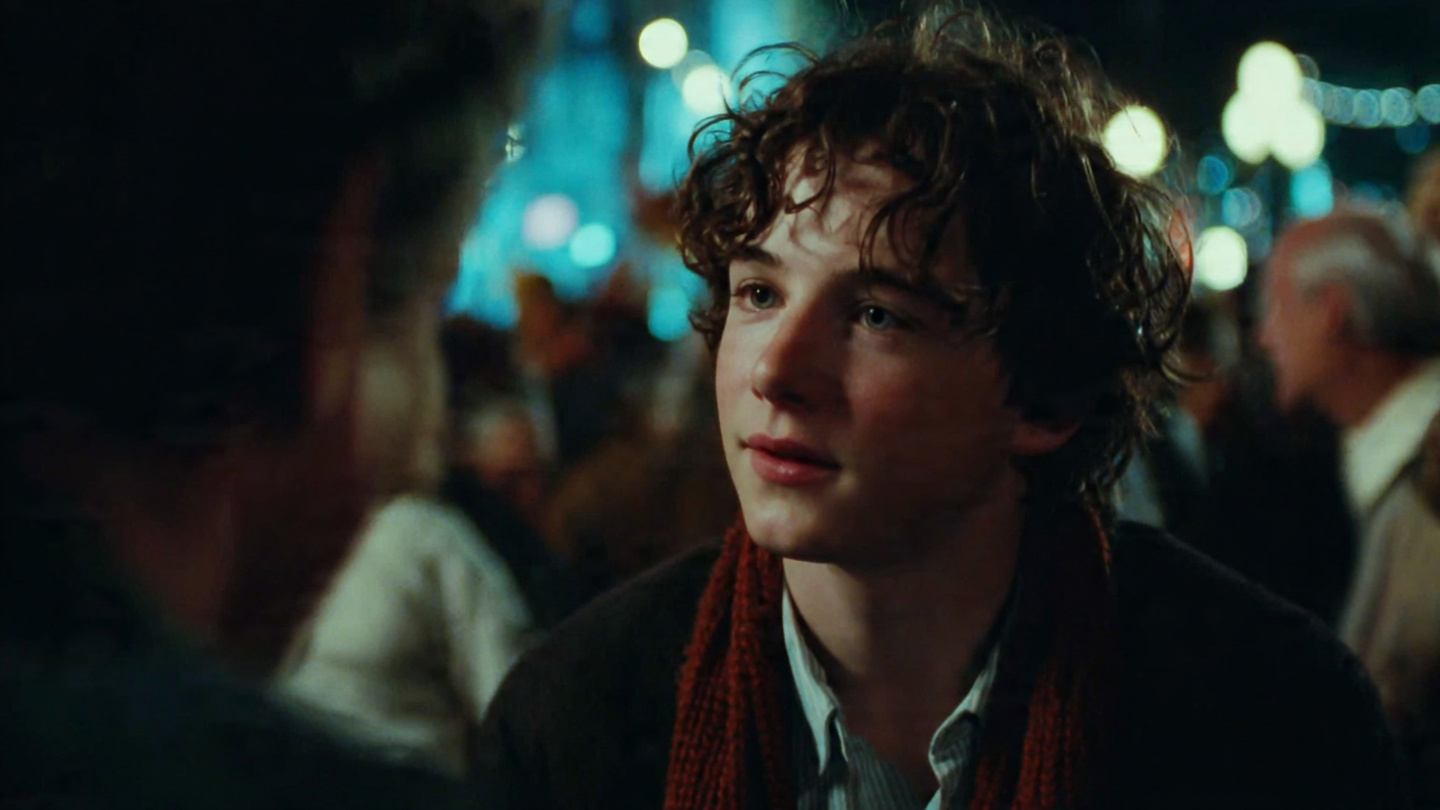
Some movies feel different the second time they are watched. The plot remains the same, yet the story seems to deepen, as if something new has surfaced beneath familiar scenes. Viewers often sense that the film is saying more than it did the first time.
This shift usually comes from symbolism. Directors embed meaning in light, movement, objects, and framing, allowing emotion and ideas to live beneath the dialogue. What first feels like atmosphere later becomes language.
Symbolism does not alter the story on the surface. It changes how the story is understood.
✨ AI Insight:
As people revisit familiar films, symbolic details often become the turning point that quietly transforms the story from something watched into something interpreted.
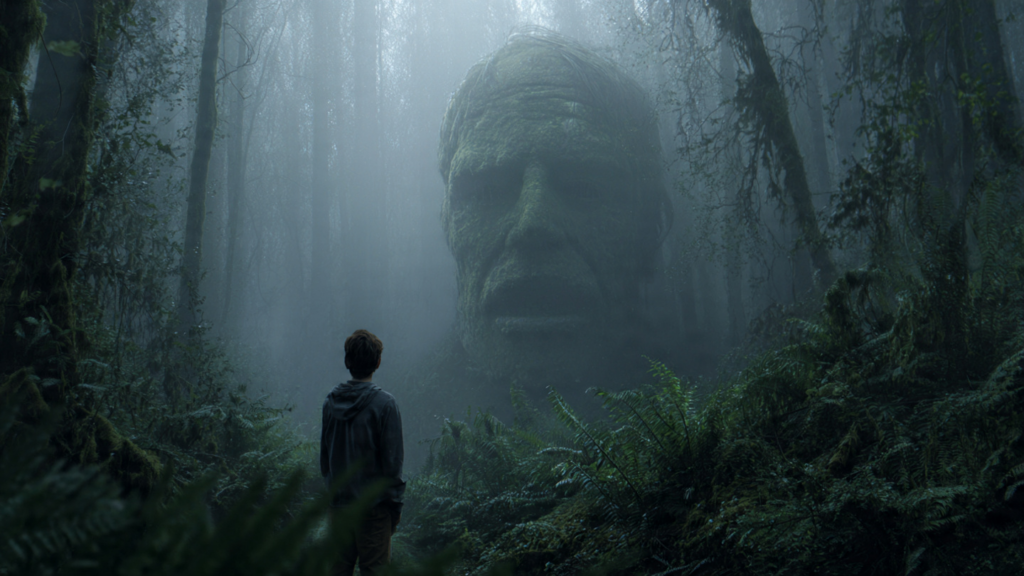
When Images Begin to Speak
Films communicate through images as much as through words. A wide shot can express isolation. A close-up can suggest intimacy or vulnerability. These visual choices guide emotion before logic.
On a first viewing, these images may simply feel right. On a return, they begin to feel deliberate. The viewer starts noticing how often a character stands alone or how frequently space surrounds them.
What once felt like style becomes meaning. The movie begins to speak in a second language, one that operates beneath dialogue.
Objects That Rewrite a Character
A simple object can quietly reshape a character. A photograph on a desk, a worn book, or a personal item may appear insignificant at first.
Later, that object becomes context. It suggests history, loss, or longing that was never explained. The character gains depth without saying anything new.
The story remains unchanged, yet the person at its center feels different. The symbol alters interpretation rather than plot.
Light as Emotional Direction
Lighting often carries meaning beyond visibility. Bright spaces can suggest safety or openness. Shadows can suggest doubt or inner conflict.
A character stepping from light into darkness can mark emotional change. A sudden brightness may feel like release or clarity.
These shifts are rarely noticed consciously. They shape feeling before thought. Over time, the viewer recognizes them as narrative choices rather than atmosphere.
The movie begins to feel guided rather than incidental.
Thresholds and Turning Points
Doorways, windows, and corridors often represent transition. A character framed between spaces suggests uncertainty or change.
Standing still at a threshold reflects hesitation. Crossing it implies decision. These moments feel natural, yet they quietly express inner movement.
When these images repeat, they form a pattern. The film begins to communicate growth through architecture rather than dialogue.
The story feels more intentional. Change becomes visible even when it is not spoken.
Repetition That Forms Language
Symbols gain power through recurrence. A color returns. A gesture repeats. A sound appears across different moments.
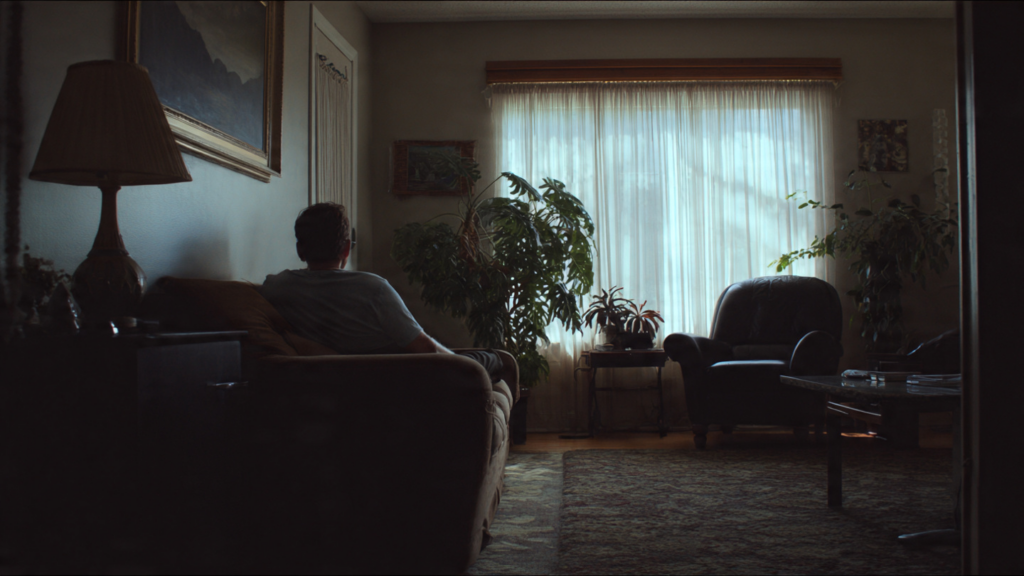
At first, these details feel coincidental. Over time, they form rhythm. The viewer begins to sense connection before recognizing structure.
Repetition turns imagery into language. The movie starts speaking through pattern rather than explanation.
What once felt decorative becomes narrative.
Silence as Meaning
Symbolism often lives in absence. A pause, an empty room, or a withheld response becomes expressive.
Silence allows emotion to surface without instruction. It invites the viewer into the moment rather than explaining it.
These spaces become symbolic because they resist closure. They feel larger than plot.
The story opens instead of ending.
Movement That Mirrors Change
How a character moves often reflects what they feel. A slow walk suggests reluctance. A sudden stop reveals doubt.
When these movements repeat, they become symbolic. The body speaks across scenes.
The audience senses transformation before it is spoken. Motion becomes meaning.
The film communicates through behavior rather than dialogue.
Why Symbolism Changes Everything
Symbolism alters how a movie is remembered. It shifts the experience from receiving a story to discovering one.
Viewers return and notice what was always there. The film feels deeper, not because it changed, but because perception did.
Meaning becomes layered. Each viewing reveals another dimension.
The movie grows without adding a single frame.
The Role of Rewatching
On a second viewing, the plot is known. Attention shifts from what happens to how it happens.
Background details become visible. Light, space, and movement begin to speak.
What once felt emotional now feels intentional. The viewer understands why a scene lingered or why silence mattered.
Rewatching transforms experience into interpretation.
The Movie Beneath the Movie
Every film carries two stories. One unfolds through action and dialogue. The other lives in light, space, and repetition.
Some viewers will never notice the second. Others will find it years later.
Both experiences are complete.
Symbolism changes the movie not by rewriting it, but by revealing what was always there.
The story becomes more than what happens.
It becomes what it means.
Image Guidance
- Type: Lifestyle / device-in-use
- What it should show: A realistic scene of someone watching a movie at home, pausing during a visually symbolic moment such as a doorway, reflection, or object in focus, in a calm, everyday setting.
- Reminder: Avoid exaggerated, futuristic, or promotional visuals. The image should feel ordinary and grounded, reflecting how deeper meaning is discovered during natural, real-world viewing.