
It often becomes clear only in hindsight when a performance crosses a threshold. At the time of release, it may feel like just another film entering a crowded landscape. Yet over the years, one role keeps resurfacing—in conversations, rewatches, and quiet references—as the moment people remember first.
A breakout role is not defined by spectacle or scale. It is defined by recognition. It is the point at which an actor stops blending into the background of a story and starts anchoring it, in a way that continues to register across changing habits and technologies.
What Separates a Breakout From Earlier Work
Most actors accumulate experience long before they are widely noticed. Supporting roles, brief appearances, and ensemble parts build craft, but they do not always shape public memory. A breakout role differs because it introduces clarity. Audiences understand who the actor is within the story, and more importantly, how they behave within it.
This clarity is increasingly important in a media environment shaped by fragmented viewing. Scenes are encountered out of order. Films are paused, resumed, or partially watched. A breakout performance survives this fragmentation. Even in isolation, it communicates intention and presence.
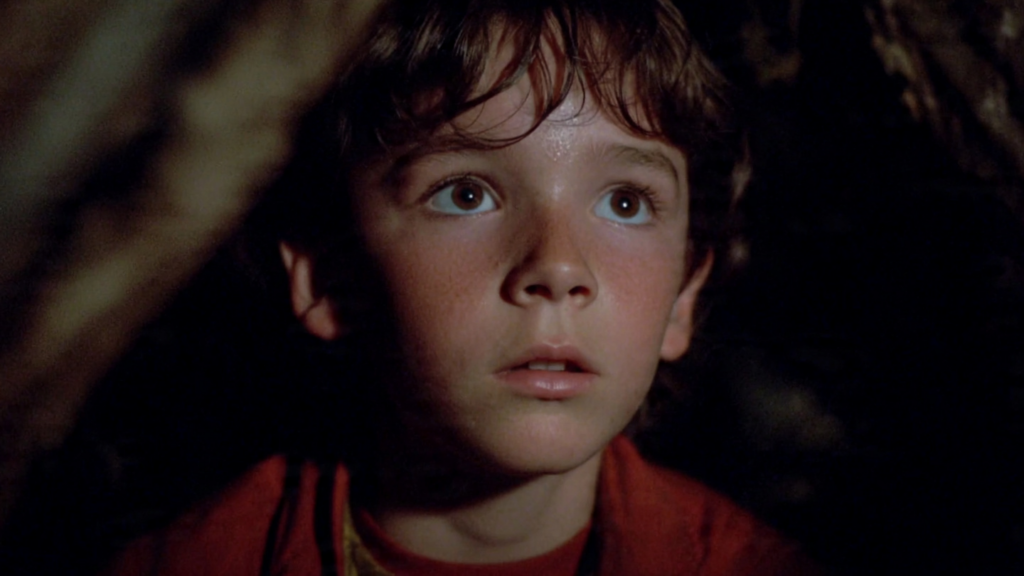
The role does not require explanation. It holds together on its own.
✨ AI Insight:
As digital platforms normalized rewatching and clip-based discovery, performances that remained legible outside their original context became more culturally durable.
Timing and Visibility
Breakout roles tend to arrive when visibility expands. This may coincide with wider distribution, improved home viewing quality, or shifts in how audiences discover films. The role benefits not just from performance quality, but from the conditions that allow it to be seen repeatedly.
Technology plays a quiet role here. High-definition formats preserve facial nuance. Compression algorithms determine what details survive streaming. Recommendation systems resurface scenes long after release. None of these elements guarantee recognition, but they shape the environment in which it becomes possible.
The breakout role is the one that fits these conditions without appearing engineered for them.
A Performance That Scales Down Well
One consistent trait of memorable breakout performances is their ability to scale down. They remain effective on small screens, in low-volume settings, or during distracted viewing. This does not mean they are understated, but that their meaning is carried through structure rather than excess.
Gestures are deliberate. Vocal delivery is controlled. Emotional shifts are readable without requiring full immersion. These qualities translate well across formats, making the performance resilient as viewing habits evolve.
In practical terms, this mirrors everyday technology use. Tools that function reliably under varied conditions tend to be remembered and reused. Breakout performances operate the same way.
Audience Memory and Repetition
What people remember is reinforced through repetition. A breakout role is not just seen once; it is revisited. The film airs again. A clip circulates. A line of dialogue becomes shorthand for the actor’s presence.

Modern distribution amplifies this process. Libraries remain accessible. Algorithms resurface familiar material. The performance becomes part of a shared reference pool, even for viewers who encounter it indirectly.
Over time, the role stands in for the actor’s early identity. It becomes the answer to the question of when people first noticed them.
Industry Response Behind the Scenes
While audiences experience recognition gradually, the industry often responds more quickly. A breakout role shifts how casting decisions are made. The actor is no longer evaluated solely on past credits, but on demonstrated capability.
This response is shaped by both perception and data. Completion rates, audience engagement, and demographic reach inform whether a performance is seen as viable beyond a single project. The breakout role provides evidence that the actor can carry attention across platforms and formats.
The result is not instant stardom, but expanded opportunity.
Not Always the Most Obvious Role
Interestingly, the breakout role everyone remembers is not always the loudest or most dramatic. In many cases, it is a role marked by restraint. The actor does not dominate every scene, but they remain present throughout.
This kind of performance ages well. When revisited years later, it feels intentional rather than dated. The choices remain readable, even as surrounding styles shift.
As media cycles accelerate, this durability becomes more valuable than immediate impact.
Why It Matters
Looking closely at breakout roles helps explain how recognition forms in a digital age. For audiences, it clarifies why certain performances feel foundational, even if they were not initially framed as such. For creative professionals, it underscores the importance of roles that align with long-term visibility rather than short-term attention.
More broadly, the pattern reflects how meaningful work often emerges. Impact builds when skill meets systems that allow for persistence. The breakout role succeeds because it continues to be encountered.
A Lasting First Impression
The breakout role everyone remembers does not rely on constant reinforcement. It simply remains available, functioning as a durable first impression long after the moment has passed.
As technology continues to shape how stories circulate, these roles stand as reminders that memorability is not about volume or novelty. It is about coherence—work that stays intact as contexts change, and remains recognizable whenever it appears again