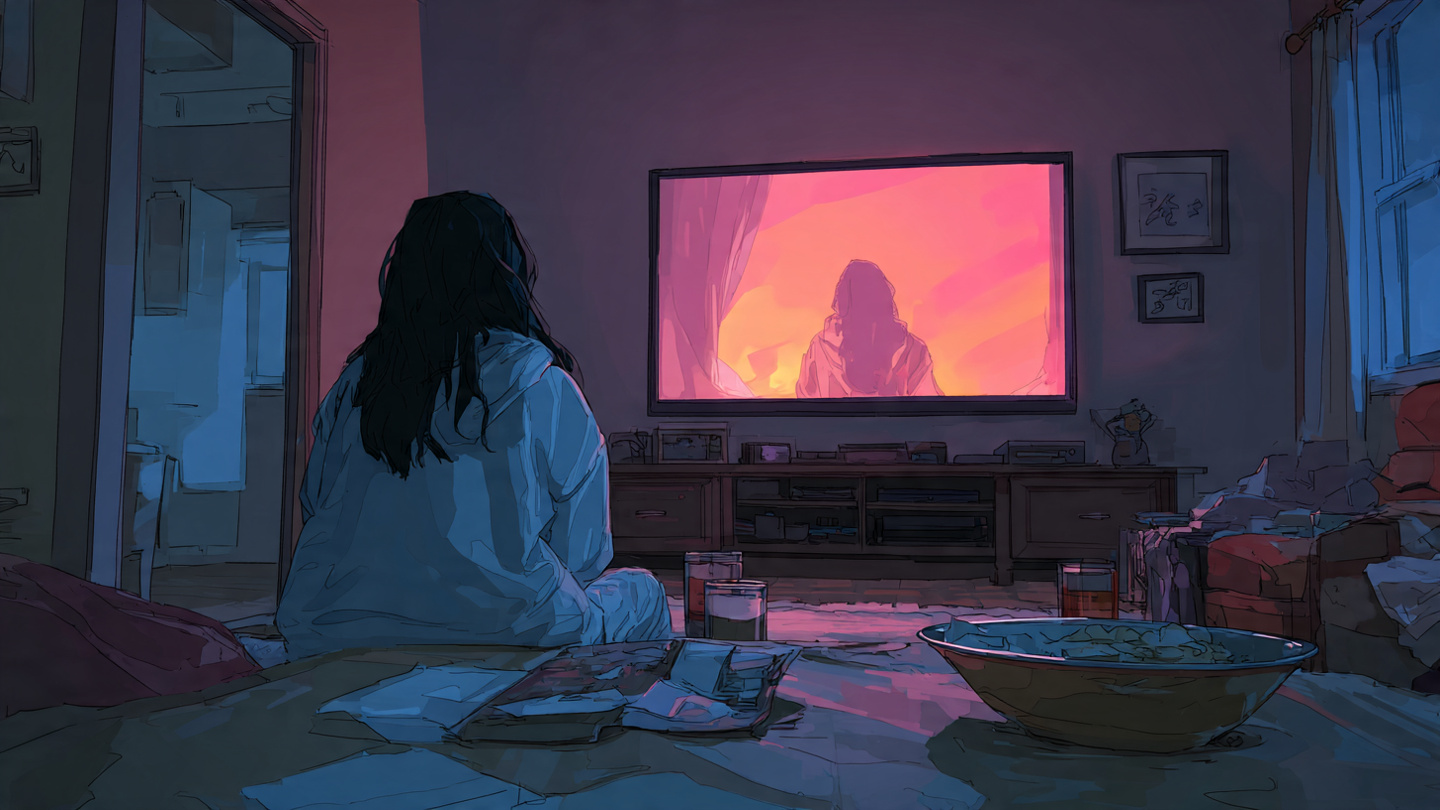
Most movies are designed to be followed, not studied. On a first watch, attention naturally stays with dialogue, action, and plot. The story moves quickly, and the viewer moves with it. Yet many films quietly place meaning in spaces that the eye passes over.
These missed details are not mistakes or extras. They are part of how stories speak beneath the surface. They wait in the background, in movement, in silence, and in framing. Their purpose is not to be noticed immediately, but to remain.
The film does not hide them. It trusts time to reveal them.
✨ AI Insight:
As rewatching becomes a normal part of how people experience movies, small background details often become the moments that turn a familiar story into something newly understood.
Objects That Tell Untold Stories
Behind many characters sit shelves, desks, and walls filled with ordinary items. Books, photographs, and worn objects quietly suggest a history that is never explained.
A single photograph can imply loss. A cluttered desk can suggest restlessness. A neatly arranged shelf can reflect control.
These details are rarely mentioned, yet they shape how a character feels. On a first watch, they blend into the scene. On return, they begin to speak.
Text That Passes Unread
Newspaper headlines, street signs, and documents often appear briefly on screen. Most viewers never read them in real time.
Yet these fragments often carry context. A headline reframes a moment. A sign situates the story within a wider world.
They exist for those who pause or return. Their meaning grows with familiarity rather than urgency.

Movement at the Edge of the Frame
Background figures walk, wait, and react in ways that feel natural. They create life beyond the main action.
A passerby glances. A child runs past. Someone waits at a distance.
These movements are not part of the plot. They are part of the world. They prevent scenes from feeling staged.
On first viewing, they fade into motion. Later, they reveal how carefully the world was built.
Repeated Shapes and Colors
Directors often repeat visual elements quietly. A color returns in different rooms. A shape appears across scenes.
These patterns rarely register consciously. They operate emotionally rather than logically.
Over time, they create cohesion. The story feels unified even when locations change.
Meaning emerges through rhythm rather than explanation.
Reflections and Shadows
Mirrors, windows, and shadows are often used to add depth. A character appears doubled. A silhouette lingers in frame.
These moments suggest inner states without dialogue. They exist at the edge of perception.
The viewer feels something before knowing why. The background becomes emotional language.
Sounds That Linger
Certain sounds return across scenes. A distant train, a door closing, a piece of music heard faintly.
These audio details connect moments emotionally. They form memory.
On first viewing, they feel atmospheric. On return, they feel intentional.
The story begins to speak through sound rather than speech.
Messages Placed for Later
Some details only make sense after the story ends. A poster hints at a future event. A name foreshadows a choice.
On a first watch, they pass unnoticed. On a second, they feel deliberate.
The film seems to remember itself. The story feels designed rather than accidental.
Time becomes part of the narrative.
Why These Details Matter
Missed details change how stories are experienced. They invite a slower form of watching.
The screen becomes a space to explore rather than consume. Attention moves outward.
The story gains dimension without adding words.
It becomes something to live with rather than finish.

How Rewatching Changes Vision
On return, viewers no longer chase plot. They begin to observe.
Walls become meaningful. Corners hold information. Silence reveals texture.
The film feels deeper without changing.
What changes is where the eye rests.
The World Beneath the Action
Every story carries a second narrative beneath its surface. It exists in objects, movement, and quiet design.
Most viewers will never see it. Some will notice years later.
Both experiences are complete.
The story works either way.
The details wait.