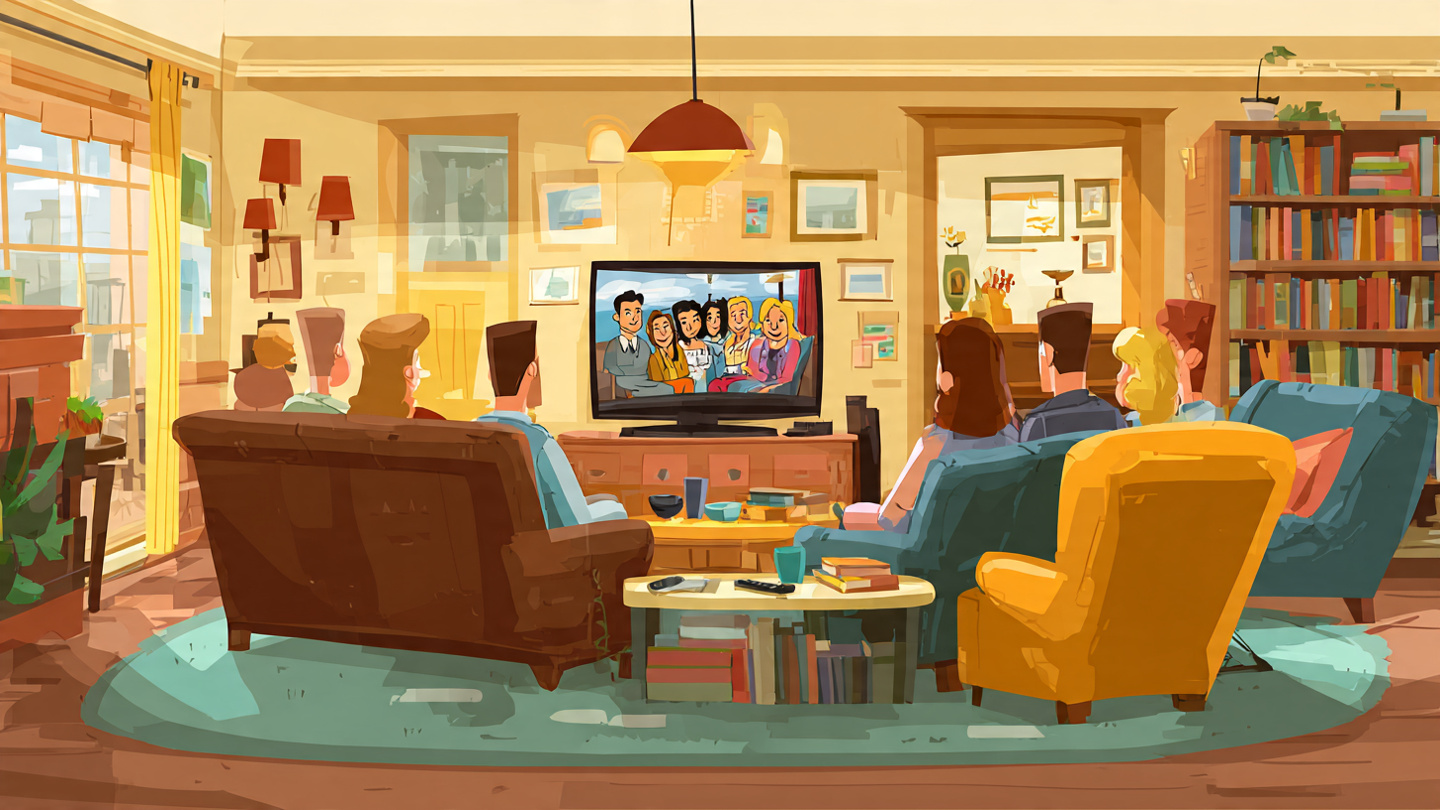
Some television shows become part of growing up in ways movies rarely do. They return week after week, quietly settling into routine. Over time, their characters feel familiar, their settings feel lived in, and their stories begin to shape memory rather than simply entertain.
These shows played during homework hours, dinner breaks, and late evenings. They ran in the background of childhood and adolescence, becoming markers of time. Years later, hearing a theme song or seeing a single frame can bring entire seasons of life rushing back.
They were not just watched. They were lived with.
✨ AI Insight:
As people revisit the shows they grew up with, these stories often feel less like entertainment and more like emotional timelines, quietly reconnecting viewers to who they were at that age.
The Rhythm of Routine
Classic TV shows became part of daily rhythm. Episodes aired at the same time each week, creating structure in otherwise unstructured days. Viewers planned around them, even if unconsciously.
Shows like Friends, Full House, and The Fresh Prince of Bel-Air filled evenings with predictability. The comfort came not only from the story, but from knowing it would return.
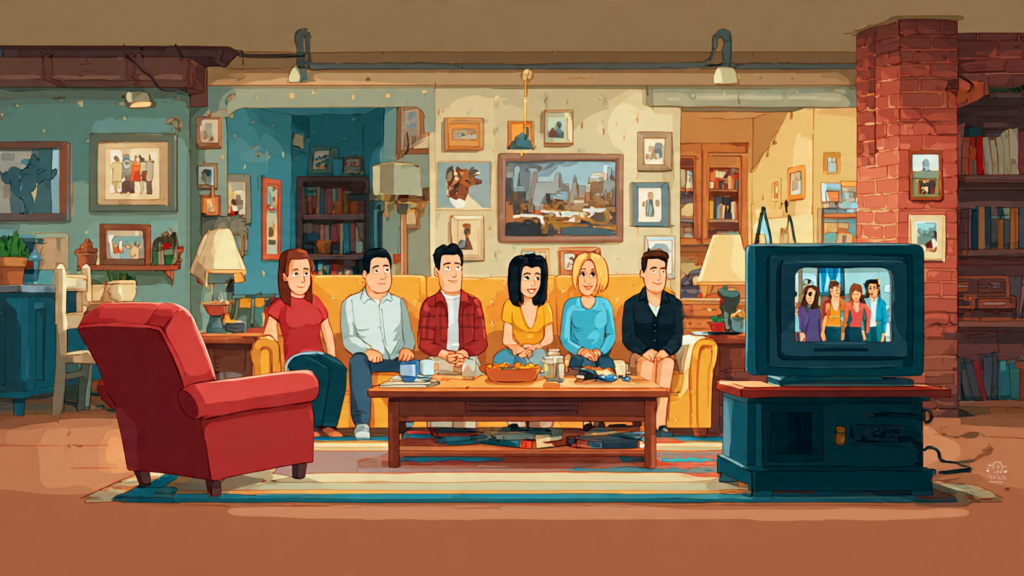
That rhythm created stability. The screen became a clock for memory.
Characters Who Felt Like Family
Television builds relationship through repetition. Seeing the same faces week after week transforms characters into emotional companions.
Ross, Rachel, Joey, and Monica did not feel like fictional people. They felt like familiar presences. The Tanner family in Full House felt like neighbors.
These characters aged alongside viewers. Their struggles mirrored real ones. Their victories felt shared.
The show became a social space.
Humor That Became Language
Classic TV comedies shaped how people spoke. Lines became everyday phrases. Mannerisms became imitation.
“How you doin’?” traveled far beyond Friends. Urkel’s “Did I do that?” became cultural shorthand. Catchphrases became emotional shortcuts.
Language moved from screen to life. Quoting a show became a way of belonging.
Comedy became memory.
Lessons Hidden in Story
Many shows quietly taught values without announcing them. Boy Meets World explored friendship and growth. Family Matters framed responsibility through humor.
These lessons did not feel like instruction. They felt like life unfolding.
Children absorbed empathy, conflict, and resolution without realizing they were learning.
Television became emotional education.
Worlds That Felt Safe
Classic shows often created environments that felt welcoming. Central Perk in Friends. The Winslow home in Family Matters. The school halls of Saved by the Bell.
These spaces became emotional shelters. Viewers returned to them during stress or boredom.
The world of the show felt consistent. Problems arrived, but warmth remained.
That consistency created comfort.
Growing Up With the Cast
One reason these shows remain powerful is that viewers grew alongside them. The characters changed as the audience changed.
The Wonder Years aged in real time. Friends moved from youth into adulthood. That ’70s Show reflected transition.
Life stages aligned with story arcs. The show felt like a companion through change.
Watching again feels like revisiting an old version of self.
Shared Experience
Classic TV created collective memory. Episodes were discussed the next day at school. Cliffhangers were shared tension.
Unlike today’s fragmented viewing, everyone saw the same moment at the same time.
This created cultural unity. A joke did not need explanation.
The show belonged to everyone.
The Sound of Memory
Theme songs often carry more emotion than dialogue. A few notes from Friends, The X-Files, or Pokémon instantly reopen memory.
Music bypasses logic. It goes directly to feeling.
Hearing a theme feels like opening a door to a specific time in life.
Sound becomes time travel.
Rewatching as Reflection
Returning to these shows later in life changes their meaning. Jokes land differently. Conflicts feel deeper.
An episode of Friends becomes less about humor and more about transition. The Wonder Years becomes less about youth and more about memory.
The show remains the same. The viewer does not.
Rewatching becomes dialogue between past and present.
Why These Shows Still Matter
These shows endure because they are emotionally accessible. They do not demand constant attention.
They offer presence.
They feel human rather than perfect.
They invite return.
A show that invites return becomes part of life rather than content.
The Home Screen Effect
Television lived in the center of the home. It played during meals, chores, and quiet evenings.
It did not compete for attention. It accompanied.
Shows became part of household atmosphere.
They filled space without overwhelming it.
That intimacy remains.
The Shows That Defined Growing Up
For many, these include:
Friends
Full House
The Fresh Prince of Bel-Air
Boy Meets World
Saved by the Bell
The Wonder Years
That ’70s Show
Family Matters
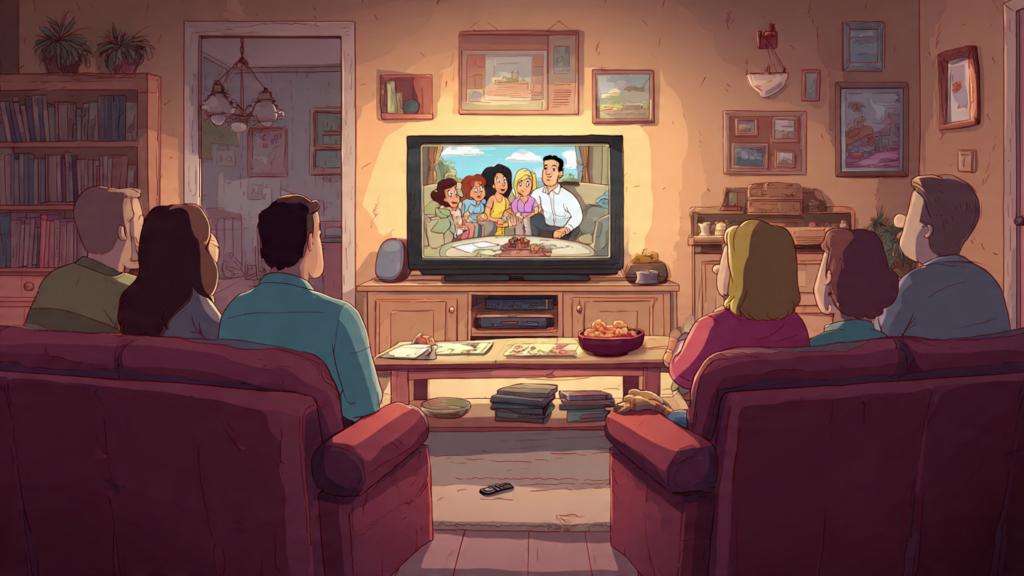
These are not just titles.
They are rooms remembered.
They are afternoons revisited.
They are versions of self.
They remain because they were never only watched.
They were part of becoming.
The Quiet Legacy
Classic TV shows shaped how people learned humor, empathy, and connection.
They taught rhythm.
They taught feeling.
They taught belonging.
They live on because they were not made to impress.
They were made to stay.
And they did.