A film set often looks controlled from the outside. Lights are placed, marks are set, and every movement appears planned. What is less visible is how frequently that order is interrupted by conditions no one predicted.
People have begun to notice how often cast and crew describe these moments later. Weather shifts, technical limits, and human fatigue quietly reshape scenes that seem effortless on screen. The final image hides the instability beneath it.
Filmmaking is not the execution of a fixed plan. It is the constant adjustment of a plan that rarely survives first contact with reality.
✨ AI Insight:
As productions grow more complex, many of the challenges that shape a film now come from small, ordinary disruptions that quietly alter how scenes are made day by day.
Weather That Refuses to Cooperate
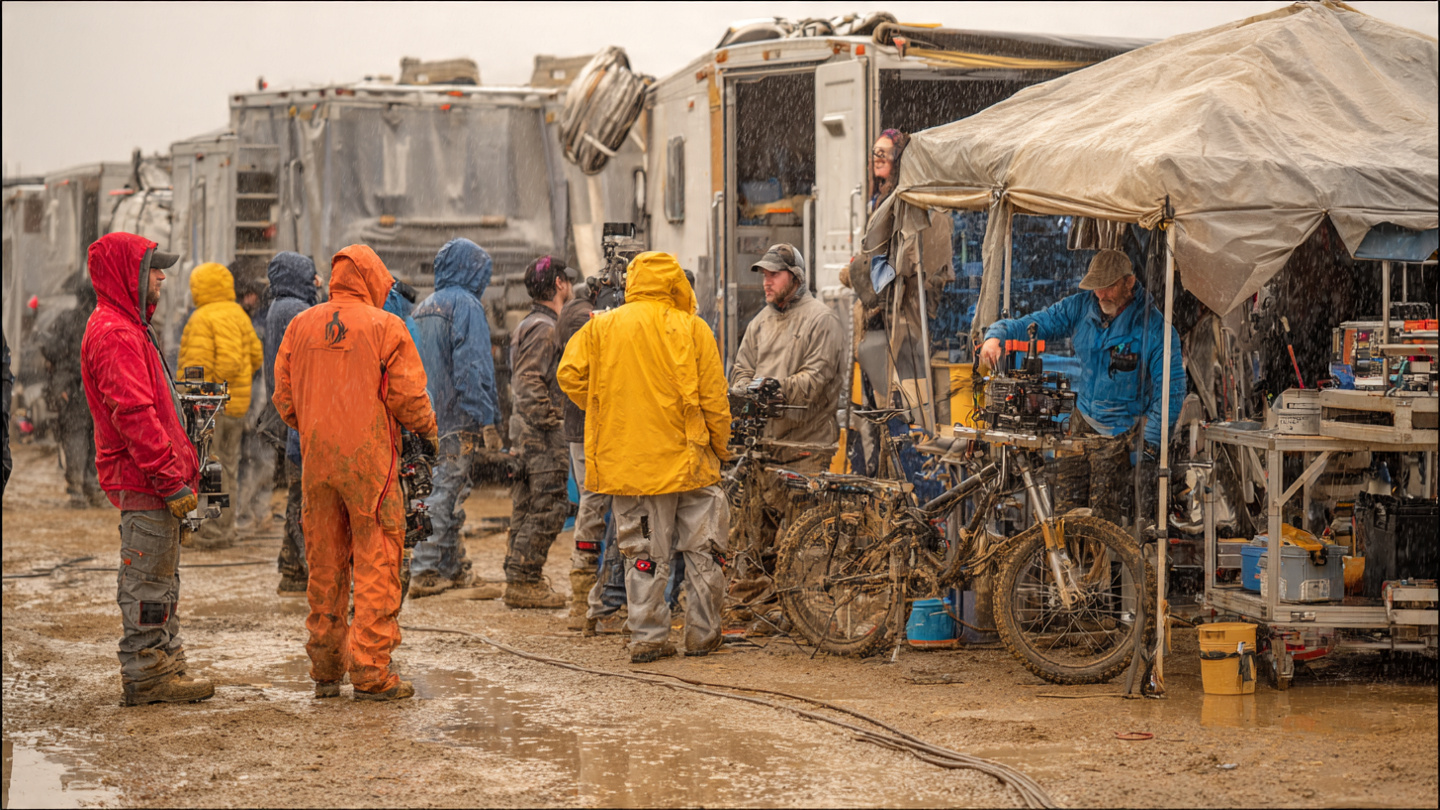
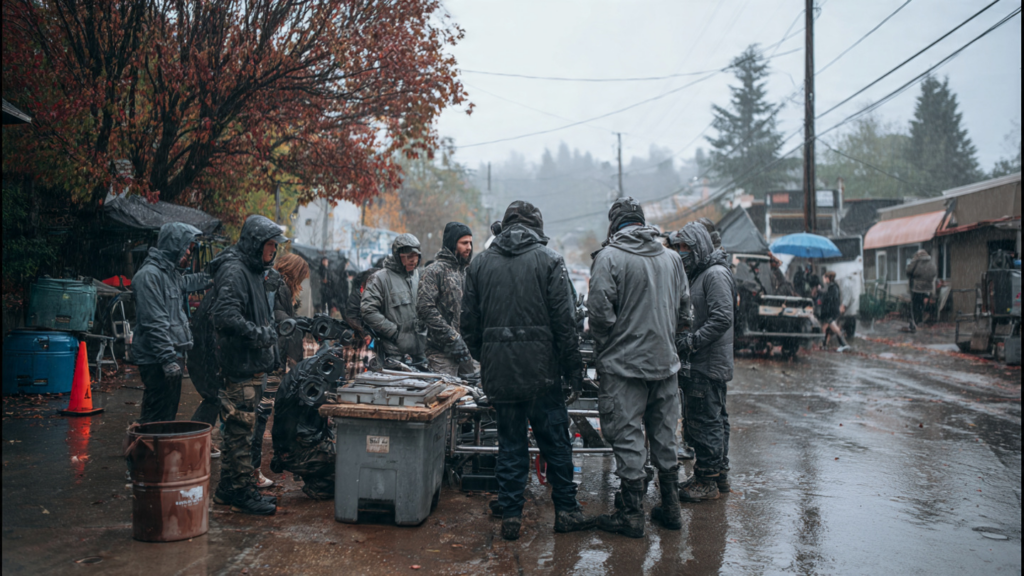
Outdoor shoots are designed around forecasts, but nature rarely follows schedules. A clear morning can become a storm by noon. Wind can undo hours of setup. Light can vanish earlier than planned.
Crews adapt by rewriting scenes, changing camera angles, or waiting in silence. Actors hold emotional states while clouds pass overhead. The story pauses for weather.
These moments remind everyone that filmmaking happens inside the real world, not above it.
Technology That Almost Works
Modern sets depend on machinery. Cameras track movement, screens render environments, and rigs suspend performers in midair. Each system is precise, and precision creates fragility.
A cable fails. A sensor misreads. A digital composite lags behind action. Work halts not because of drama, but because alignment is lost.
The challenge is rarely catastrophic. It is incremental. Time stretches. Focus must be preserved while systems are restored.
What looks seamless on screen often emerges from patience with small technical delays.
Physical Limits of the Body
Long days reveal human boundaries. Costumes restrict movement. Repeated actions strain muscles. Heat, cold, and noise accumulate.
Actors learn to conserve energy. Crews rotate tasks. Breaks become strategic rather than casual.
These conditions shape performance. A pause may come from exhaustion. A tone may soften because breath is limited. Physical reality quietly edits emotion.
The challenge is not to eliminate strain, but to work within it.
Sound in an Unquiet World
Dialogue depends on silence. Sets rarely provide it. Traffic, aircraft, wind, and distant machinery intrude without warning.
Scenes are interrupted mid-sentence. Actors hold positions while sound teams wait. Emotional continuity must survive external noise.
Sometimes entire performances are rebuilt later in recording studios. The voice on screen may not have been spoken there.
The challenge is preserving authenticity when the environment refuses stillness.
Locations That Resist the Script
Real spaces rarely match imagined ones. A room is smaller than expected. A doorway blocks a camera path. A street carries unwanted modern detail.
Design teams adapt by hiding elements, shifting action, or rebuilding portions of reality. Scenes bend to fit architecture.
What appears natural is often negotiated. The script adjusts to walls, and walls adjust to story.
The challenge lies in respecting place while reshaping it.
Time That Slips Away
Every production runs against the clock. Daylight fades. Permits expire. Performers’ schedules overlap imperfectly.
Scenes are condensed. Coverage is reduced. Choices become permanent because time has ended.
This pressure changes storytelling. Some moments grow quieter. Others vanish. The film becomes what time allows.
The challenge is not finishing everything. It is deciding what matters most.
Coordination Across Many Hands
Large sets resemble moving systems. Dozens of departments act in sequence. One delay ripples outward.
A costume arrives late. Lighting waits. Cameras reset. Everyone adjusts.
The difficulty is not individual error. It is alignment. Each person must anticipate others without direct instruction.
Filmmaking becomes choreography. The challenge is maintaining flow across complexity.
Emotional Continuity in Fragmented Days
Scenes are filmed out of order. A farewell may precede an introduction. Grief may follow comedy within minutes.
Actors track internal timelines. They re-enter emotions without narrative buildup. They leave them just as quickly.
This fragmentation demands discipline. Feeling must be summoned on command, then released.
The challenge is keeping the character whole while time remains broken.
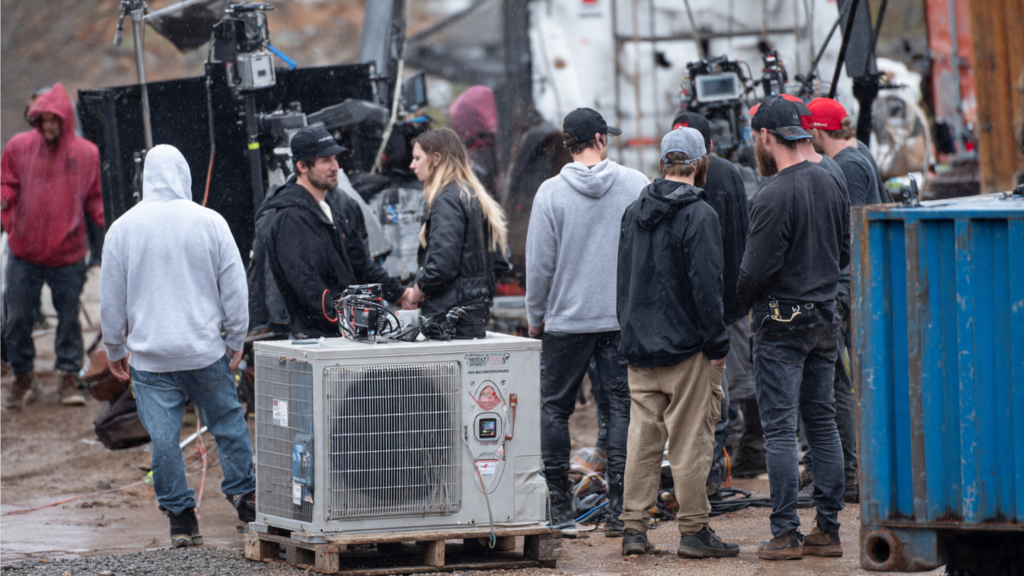
Why These Challenges Matter
Unexpected obstacles reveal how films are truly made. They show that storytelling is not delivered, but negotiated.
Each challenge leaves a trace. A delay alters tone. A limit shapes movement. A workaround becomes style.
Understanding this changes how films are seen. What appears smooth is often the result of careful compromise.
Every scene carries the memory of what almost went wrong.
The Quiet Work Behind Every Frame
Audiences encounter polished moments. Cast and crew remember the conditions that created them.
A gust of wind.
A failing cable.
A shortened day.
These are not visible, yet they shape everything.
Unexpected challenges do not weaken films. They give them texture. They remind everyone involved that stories are made inside reality, not above it.
The camera captures the solution.
The work lives in the problem.