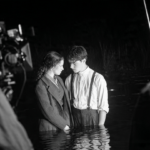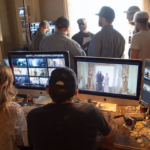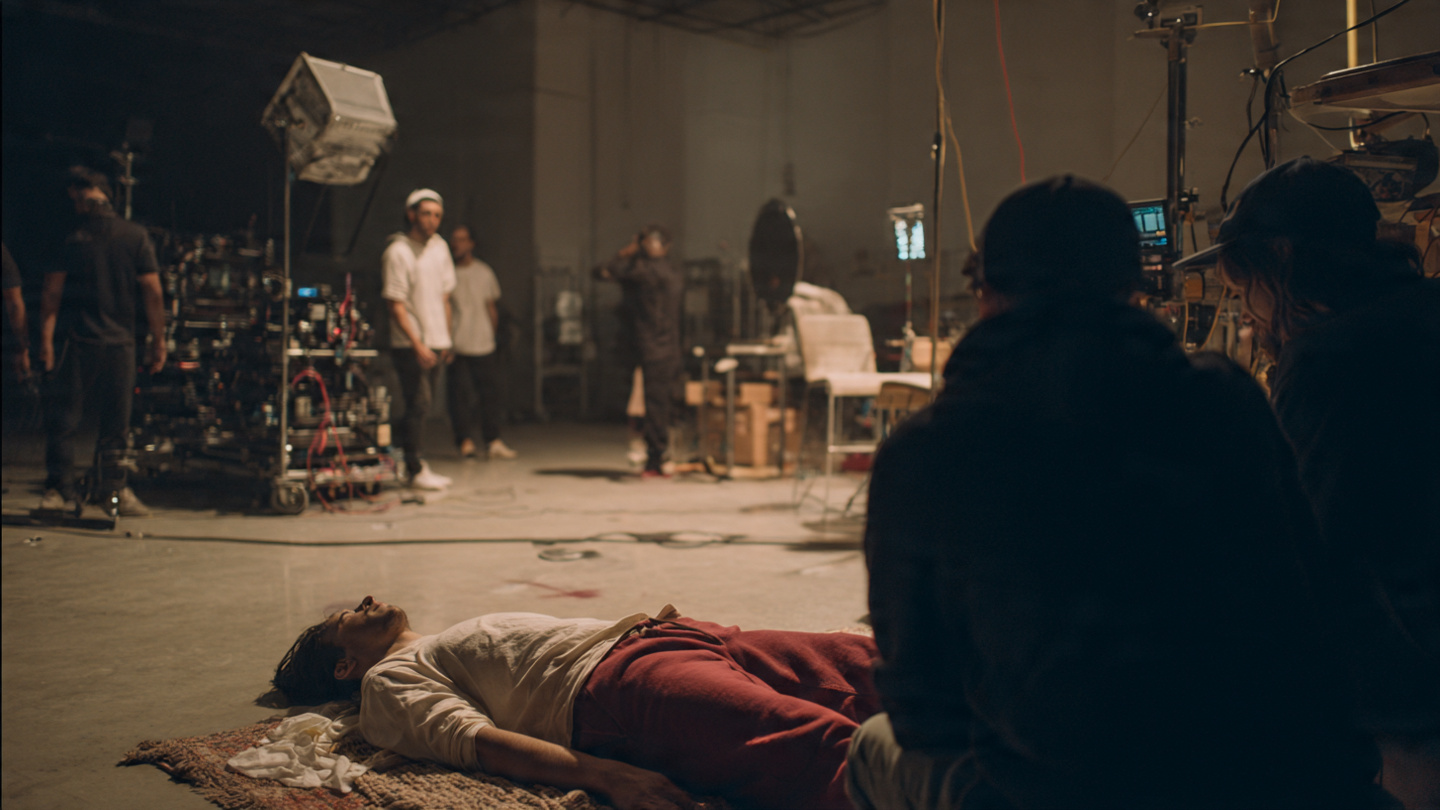
A film set appears seamless on screen, yet its rhythm is defined by pauses. Between “cut” and “action,” time stretches in ways audiences never witness. These intervals shape how stories are built, even though they leave no visible trace.
People have begun to notice how often actors describe these spaces as the heart of the experience. The work is not only in performance, but in the quiet moments where energy resets and relationships form. What happens between takes quietly defines what appears within them.
These intervals are not empty. They are where the set becomes human.
✨ AI Insight:
As sets become more technical and structured, the moments between takes increasingly serve as emotional reset points, helping performers stay grounded within complex production environments.
The Shift From Character to Self
When the camera stops, posture changes. A voice softens. An expression releases. Actors step out of character in small, practical ways.
These transitions protect energy. Holding emotion continuously is unsustainable, especially during demanding scenes. Between takes, performers breathe, stretch, and return to themselves.
The shift is subtle, but essential. It allows intensity to remain available rather than exhausting.
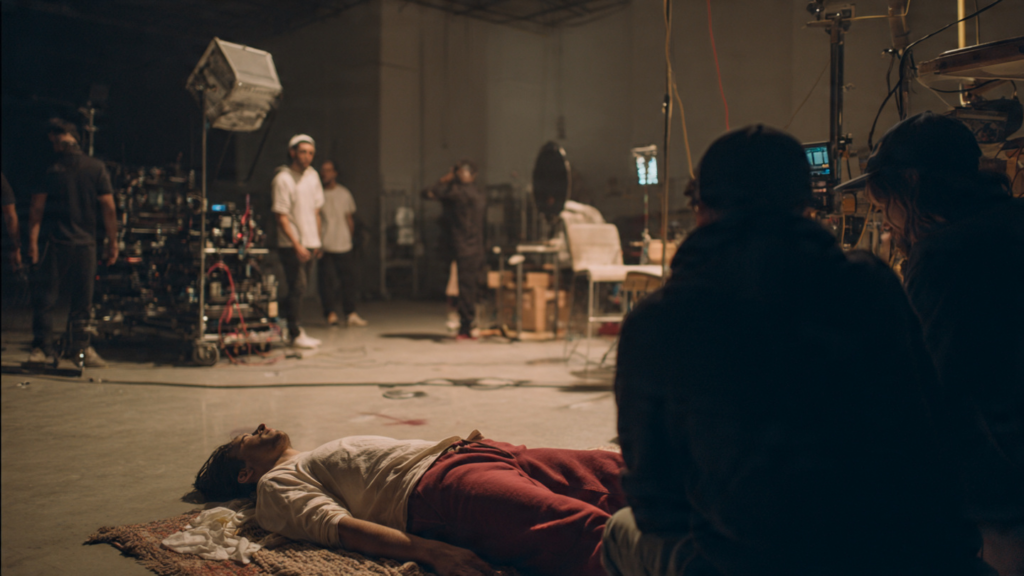
Conversations That Build Trust
Between takes, sets fill with quiet conversation. Cast members exchange jokes, share observations, or speak about ordinary life.
These exchanges reduce distance. They transform co-workers into collaborators. When scenes resume, that familiarity shapes interaction.
The audience never sees these conversations, yet they inform chemistry. Trust on screen is often built off it.
Direction in Fragments
Directors rarely deliver long speeches between takes. Guidance arrives in short phrases, often whispered.
A note may adjust a glance, a pause, or a breath. These micro-changes alter entire scenes.
Actors remember these fragments because they clarify intention. The performance shifts without spectacle, guided by a few words.
Waiting as a Discipline
Much of filming involves waiting. Lights adjust. Sound checks repeat. Weather interrupts.
Actors remain ready without expending energy. They learn to hold focus while still.
This discipline shapes performance. Readiness becomes a state, not a moment. The work continues even when nothing moves.
The Set as a Living Space
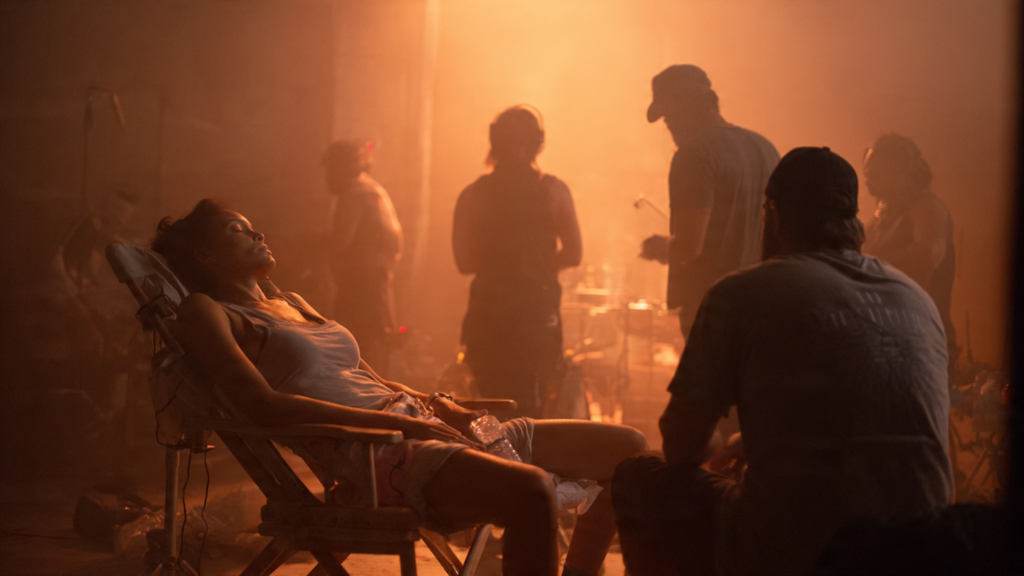
Between takes, sets feel less like stages and more like rooms. People sit, drink water, and adjust clothing.
The environment becomes familiar. Walls stop feeling temporary. The world of the story becomes a place.
Actors often recall when this shift occurs. It marks the point when imagination becomes habitation.
Managing Physical Strain
Costumes weigh. Surfaces are cold. Repeated motion accumulates.
Between takes, performers stretch, change footwear, or warm their hands. Crew members offer blankets or chairs.
These small acts preserve stamina. They keep bodies functional across long days.
Laughter That Releases Tension
Mistakes happen. A line falters. A prop slips.
Laughter follows. The room resets. Pressure dissolves.
These moments matter because they restore balance. They remind everyone that the work is shared, not solitary.
Emotional Aftercare
Difficult scenes linger. Grief, anger, or fear may not vanish instantly.
Between takes, actors recalibrate. They speak quietly, breathe, or step aside.
Crew members adjust tone. The set becomes protective. Emotional safety becomes part of workflow.
Why These Moments Matter
Between-take moments reveal how films are truly made. They show that performance is sustained through routine care.
Technology structures sets, but it cannot replace recovery, trust, or patience. These intervals carry the emotional weight of production.
Understanding this changes perception. Every scene contains invisible preparation.
The Hidden Layer of Every Scene
Audiences see motion. Cast members remember stillness.
They recall water offered after a difficult take.
A whispered note that clarified meaning.
A laugh that broke tension.
These moments never reach the screen. They remain with those who were there.
What happened between takes becomes the unseen foundation of what appears within them.