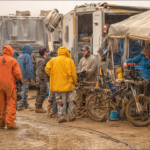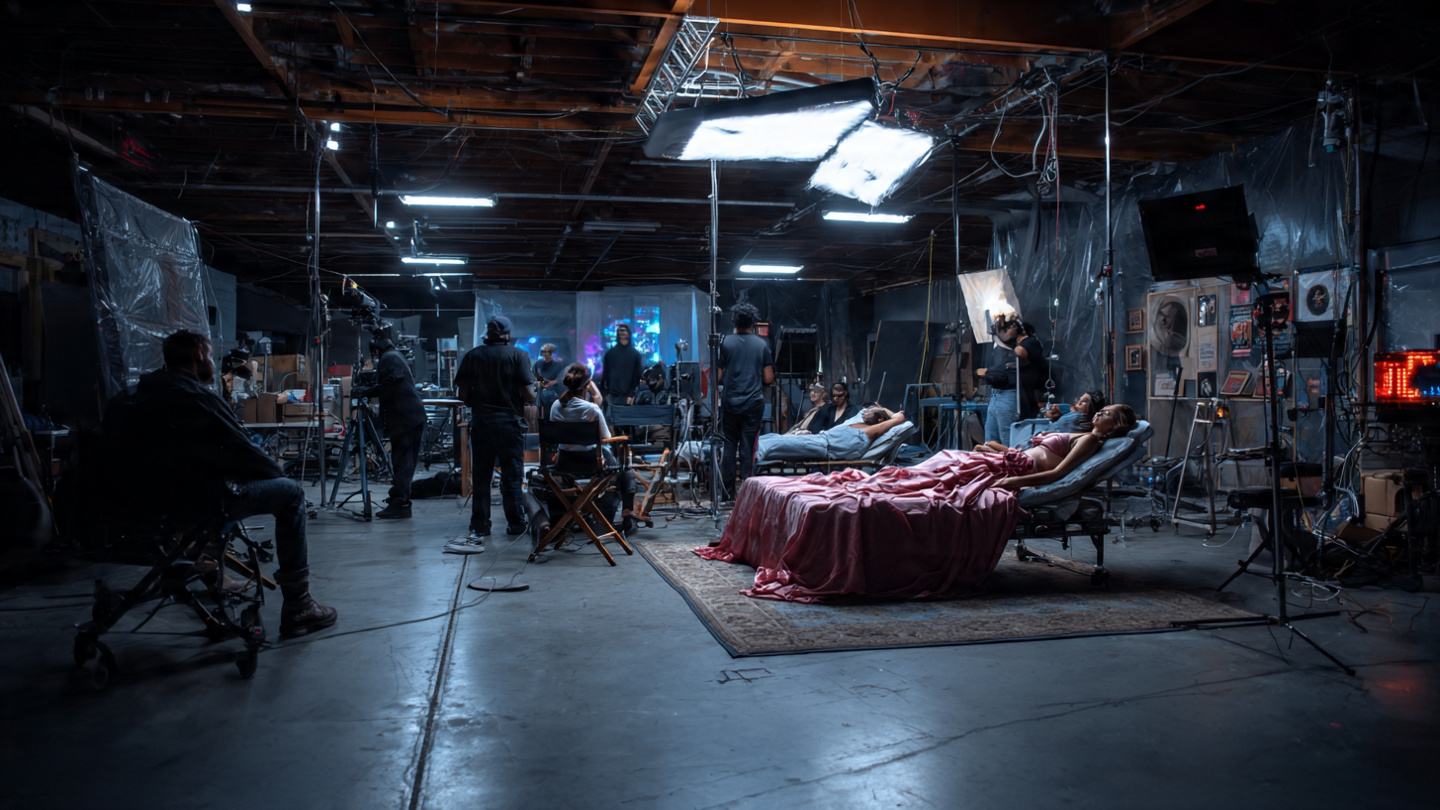
From the outside, a film set appears controlled and deliberate. Cameras glide, lights glow, and actors move with confidence. What is less visible is the physical and emotional effort required to sustain that illusion day after day.
People have started to notice how often cast members describe filming as endurance rather than performance. Long hours, shifting conditions, and constant repetition quietly shape every scene. The screen shows ease. The set demands resilience.
Acting is not only about delivering lines. It is about maintaining presence while the environment continually changes.
✨ AI Insight:
As productions become more technically layered, many performers find that their work is shaped as much by endurance and adaptation as by creative intention.
Living Inside Repetition
Scenes are rarely captured once. A short exchange may be performed dozens of times under identical lighting and movement. Each take requires the same energy, the same tone, and the same focus.
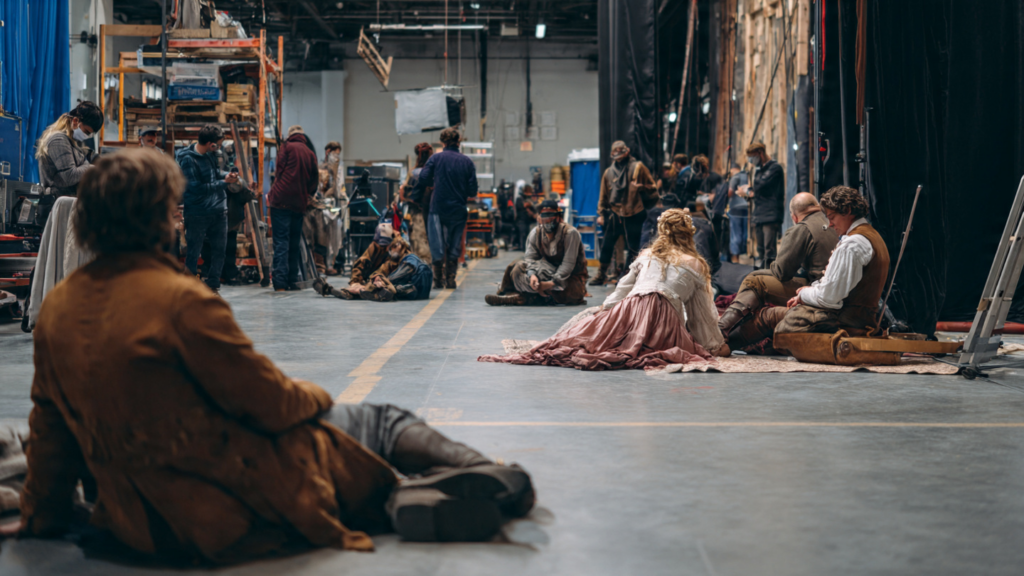
For cast members, this creates a unique strain. Emotion must remain fresh even as the body memorizes every step. The challenge is not learning a scene, but preventing it from becoming mechanical.
Actors develop rhythms. They conserve energy between takes and learn how to re-enter moments quickly. Performance becomes a cycle of ignition and rest.
Physical Demands Beneath the Frame
Costumes restrict movement. Sets require awkward positions. Weather introduces heat, cold, or rain that persists beyond a single shot.
Cast members adapt by controlling breath, posture, and pace. Small adjustments prevent fatigue from overwhelming performance. A role becomes as physical as it is emotional.
These demands rarely appear on screen. A calm conversation may be delivered while standing in water or beneath heavy lighting. The body carries conditions the audience never sees.
Emotional Work Without Narrative Order
Films are rarely shot in sequence. A farewell might be filmed before an introduction. Grief may follow comedy within the same morning.
Actors track an internal map of the story. They step into emotional states without buildup, then release them moments later. Continuity becomes a mental discipline.
This fragmentation requires control. Feeling must be summoned on command and set aside just as quickly. The challenge lies in keeping the character whole while time remains broken.
Holding Focus in a Busy Environment
A set is rarely quiet. Equipment hums. Crew members move. Instructions arrive through headsets. Movement surrounds the performer.
Actors learn to narrow attention. They listen for cues while remaining inside the scene. Awareness becomes layered: part of the mind stays with the character, another with the environment.
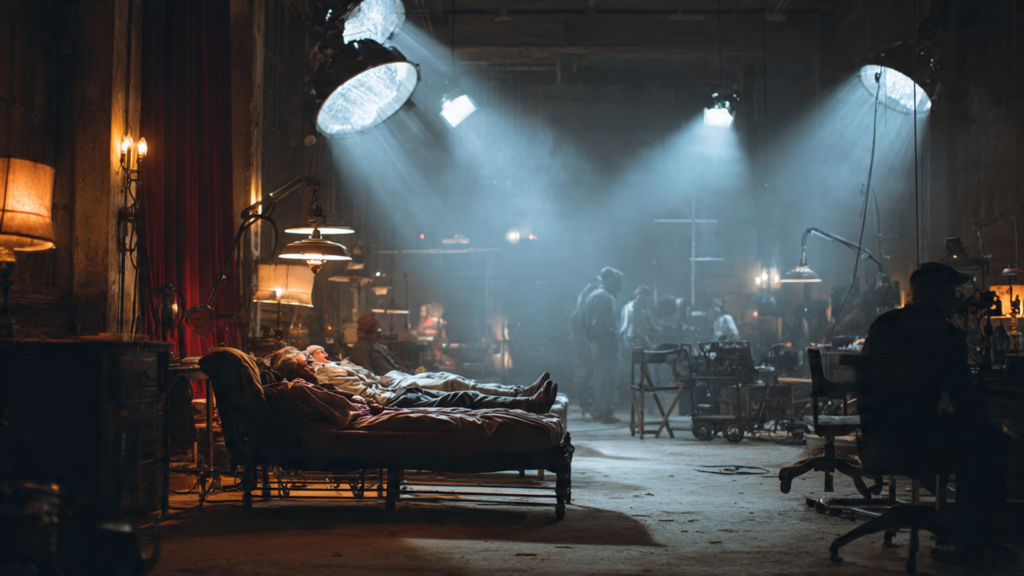
This balance defines on-set work. Presence must survive interruption. Performance continues while the world operates around it.
Endurance Over Long Days
Filming schedules often extend far beyond ordinary work hours. Early calls blend into late wrap times. Energy fluctuates across weeks.
Cast members pace themselves. Meals are timed. Sleep becomes strategic. The goal is consistency rather than peak output.
Fatigue influences tone and movement. Directors adjust. Scenes are restructured. The film evolves around human limits.
The challenge is not avoiding exhaustion. It is working through it.
Trust in Invisible Elements
Many modern scenes rely on elements added later. Creatures, environments, and effects may not exist during filming.
Actors perform against markers and descriptions. They imagine scale and movement. They respond to instructions rather than visible action.
This requires a different form of trust. Performance is built on belief rather than reaction. The challenge lies in committing to something unseen.
When it succeeds, the illusion feels complete.
Weather as a Silent Partner
Outdoor filming introduces variables no one controls. Wind alters hair and sound. Clouds change light. Rain disrupts timing.
Cast members adjust tone and posture while waiting for conditions to settle. Emotional states are held through interruption.
Weather becomes part of the work. It shapes pacing and mood. The actor’s task is to remain ready within uncertainty.
The environment becomes collaborator and obstacle at once.
Why These Experiences Matter
Understanding what cast members endure changes how performances are seen. What appears effortless often emerges from sustained discipline.
Every scene carries the weight of preparation, repetition, and adaptation. The screen shows result, not process.
These experiences matter because they reveal that acting is lived work. It happens within physical reality, not apart from it.
Performance is not only expression. It is endurance shaped into meaning.
The Quiet Strength Behind the Image
When a film ends, the memory that remains is visual. For the cast, what lingers is sensation.
The feel of a costume.
The sound of rain machines.
The rhythm of repeated lines.
These fragments form a parallel story, one never shown.
What the cast went through is not spectacle. It is persistence. It is the steady work of holding emotion inside an environment that never stands still.
Every finished scene carries that unseen effort.
And effort is what turns illusion into experience.