Many films are remembered for what happens on screen, yet their deeper meaning often lives somewhere else. Viewers walk away with a clear sense of the plot, but a less certain understanding of what the story was really exploring. Over time, this gap becomes visible.
Misunderstanding does not come from lack of attention. It comes from how stories speak in layers. Dialogue explains events, but images, rhythm, and silence communicate ideas that are easy to overlook. What feels obvious at first can quietly shift with reflection.
The film does not change. The interpretation does.
✨ AI Insight:
As people revisit familiar movies, moments that once felt straightforward often reveal hidden complexity, showing how meaning was present long before it was noticed.
Plot Versus Purpose
Viewers often focus on what happens rather than why it happens. The plot feels like the story, yet it is only the surface.
A journey may appear to be about success, but it may actually be about identity. A conflict may seem external, yet it may reflect an inner struggle.
When purpose is mistaken for plot, the film feels simpler than it is. The story becomes a sequence of events rather than an exploration of meaning.
Characters as Symbols, Not Just People
Many characters represent more than themselves. They embody fear, change, memory, or loss.
Viewers sometimes judge these figures only by their actions, missing what they stand for. A silent character may not be empty. A distant one may not be cold.
The film often speaks through who they are rather than what they do. When this layer is missed, motivation feels unclear and choices feel confusing.
Silence Mistaken for Absence
Quiet scenes are often interpreted as slow or empty. Yet silence frequently carries the most meaning.
A pause may reflect hesitation. An empty room may express loss. A lingering shot may invite reflection.
When silence is seen as nothing, its message disappears. The moment becomes a gap rather than a statement.
Endings That Resist Closure
Many viewers expect endings to resolve everything. When a film ends openly, it can feel unfinished.
Yet ambiguity is often intentional. The story is not asking to be completed. It is asking to be considered.
When viewers look for answers instead of intention, they miss the purpose of the ending. What feels incomplete may be exactly what was meant.
Visual Language That Goes Unread
Films speak through composition, light, and movement. A character placed at the edge of the frame expresses isolation.
A doorway suggests transition. A shadow signals uncertainty.
These choices are often felt but not recognized. When they are ignored, scenes lose depth. The movie becomes literal instead of expressive.
Repetition That Feels Accidental
Recurring images, sounds, or gestures are sometimes seen as coincidence. In reality, they often form structure.
A color returning across scenes. A place reappearing at key moments. A sound echoing change.
These patterns create meaning. When overlooked, the story feels fragmented rather than cohesive.
Emotion Mistaken for Instruction
Some viewers look for lessons. They expect films to tell them what to think.
Many stories offer emotion instead. They create space rather than direction.
When viewers search for answers instead of experience, the film feels unclear. Meaning becomes something to solve rather than something to feel.
Why Misunderstanding Persists
Misunderstanding persists because stories are layered. They speak differently to different viewers.
A film seen at one stage of life feels different at another. What was invisible becomes visible.
The movie has not changed. The viewer has.
This shift reveals that misunderstanding is often temporary.
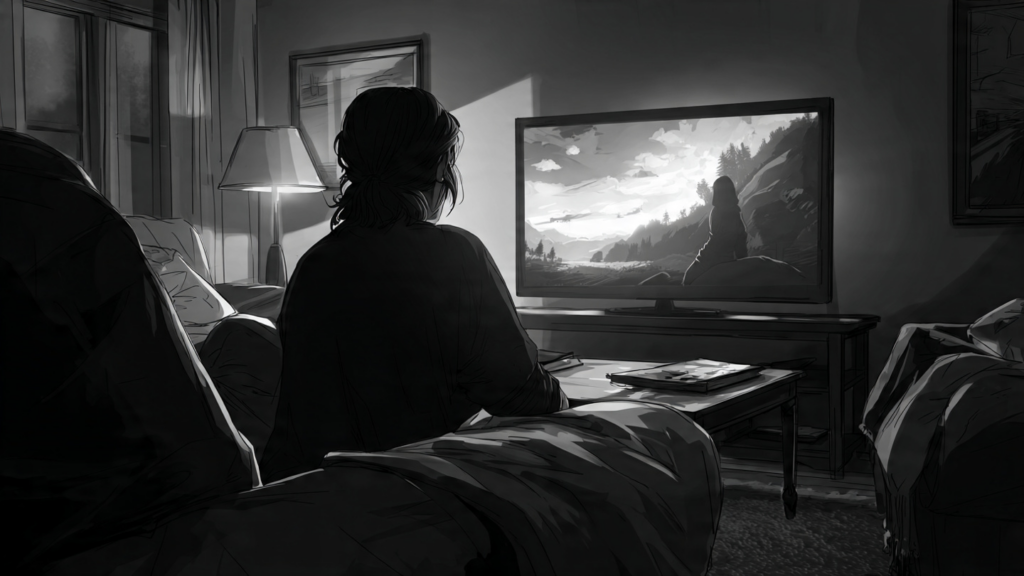
How Rewatching Changes Perception
On a second viewing, the plot is known. Attention moves outward.
Background details become clear. Silence gains weight. Patterns emerge.
What once felt confusing begins to feel intentional. The story reveals what it was always saying.
Understanding grows not through explanation, but through presence.
The Meaning That Waits
Every film carries more than one story. One unfolds in events. The other lives in image, rhythm, and tone.
Some viewers will never notice the second. Others will discover it years later.
Both experiences are complete.
What viewers often misunderstand is not the story.
It is where the story truly lives.