Some television shows leave a deeper imprint than others. They are not remembered only for their plots or characters, but for how they made everyday life feel. Watching them was less about entertainment and more about arriving somewhere familiar.
These shows appeared during ordinary moments, yet turned them into something meaningful. Over time, they became associated with comfort, routine, and belonging. They did not simply fill time. They shaped it.
They felt special because they became part of life.
✨ AI Insight:
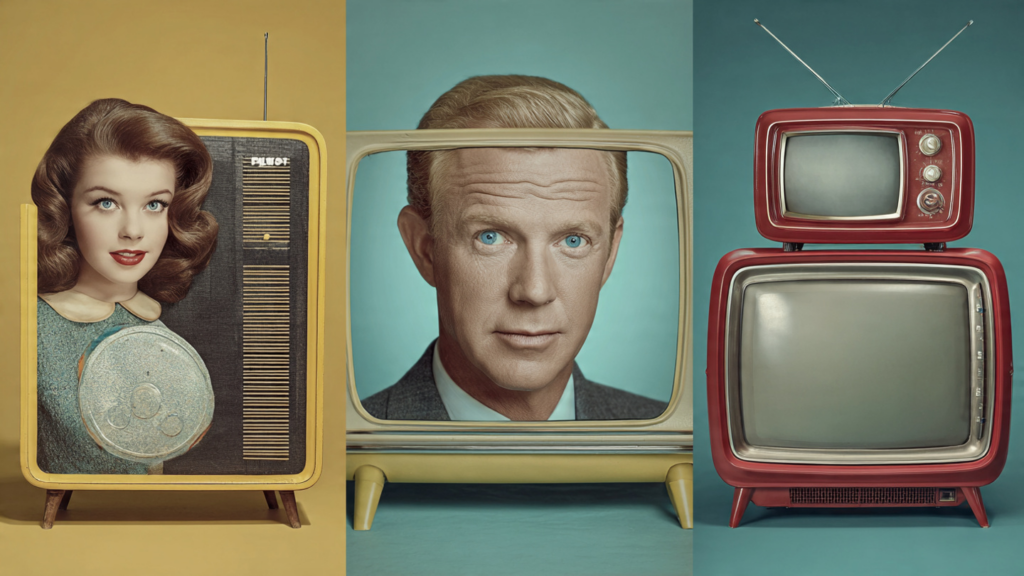
As people revisit the shows they grew up with, these series often reveal how emotional connection forms through repetition, turning simple routines into lasting personal landmarks.
They Arrived at the Right Time
Many of these shows entered lives during formative years. They played when identity was still forming, when routines felt flexible, and when imagination was open.
A sitcom after school or a drama before bedtime became a daily anchor. The timing mattered as much as the content.
The shows felt special because they met viewers when they were still becoming themselves.
They Returned Week After Week
Unlike movies, television offers continuity. Characters reappear. Stories continue. Worlds remain open.
Seeing the same faces every week builds familiarity. Over time, the show feels less like a story and more like a place.
That return creates attachment. The show becomes something to look forward to, not just something to watch.
Characters Felt Like Companions
Repeated exposure transforms characters into emotional companions. Their habits become known. Their reactions feel predictable.
Friends on screen begin to feel like friends in life. Their victories feel shared. Their struggles feel close.
The bond grows quietly. Watching becomes visiting.
They Reflected Real Life Gently
These shows often mirrored everyday experience without exaggeration. They showed school, work, family, and friendship in ways that felt approachable.
Problems were recognizable. Emotions felt honest. Resolution felt possible.
Life did not appear perfect. It appeared manageable.
That reflection created trust.
They Offered Emotional Safety
The structure of these shows rarely changed. Episodes followed a rhythm. Conflict arrived, then softened.
Viewers knew warmth would return. That predictability created safety.
The show became a place where things eventually felt okay.
That promise mattered.
They Became Part of Routine
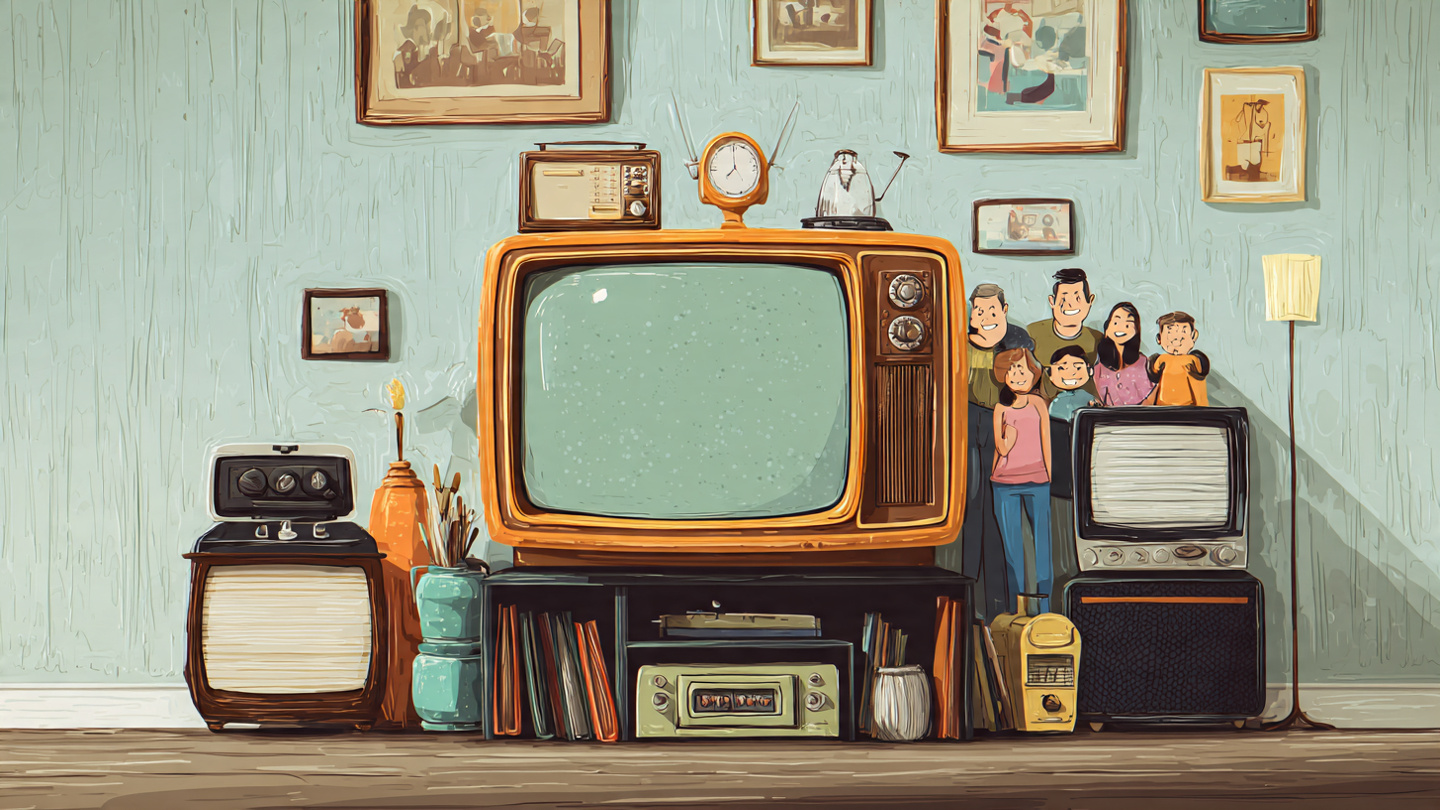
Specialness often grows from repetition. These shows played during meals, homework, and quiet evenings.
They did not interrupt life. They accompanied it.
The screen became part of the room. The show became part of the day.
Memory attached itself to ordinary moments.
They Created Shared Experience
Many of these shows were watched by everyone at the same time. Conversations followed the next day.
Jokes needed no explanation. Cliffhangers became collective tension.
The show belonged to a group, not an individual.
That shared rhythm amplified meaning.
They Taught Without Pressure
Lessons appeared quietly inside story. Friendship, responsibility, and empathy emerged naturally.
No one felt instructed. The message arrived through experience.
Learning happened by watching life unfold.
The show became emotional education.
They Aged With the Viewer
As years passed, the meaning of these shows changed. Jokes felt different. Conflicts felt deeper.
A scene once amusing became reflective. A character once ignored became relatable.
The show remained the same. The viewer did not.
Rewatching became dialogue with the past.
They Carried Sound and Memory
Theme songs and background music embedded themselves in memory. A few notes could reopen entire chapters of life.
Sound bypassed logic. It went straight to feeling.
Hearing it felt like stepping into a former room.
Time folded inward.
They Felt Made for People
These shows did not feel optimized. They felt observed.
Conversation wandered. Silence existed. Imperfection remained visible.
They felt human.
That humanity made them easy to return to.
Why They Still Matter
They matter because they prove that connection does not require intensity.
They show that stories can stay.
They remind viewers that presence is powerful.
They demonstrate that ordinary moments can become meaningful.
They felt special because they were allowed to be part of life.
They did not demand attention.
They earned it.