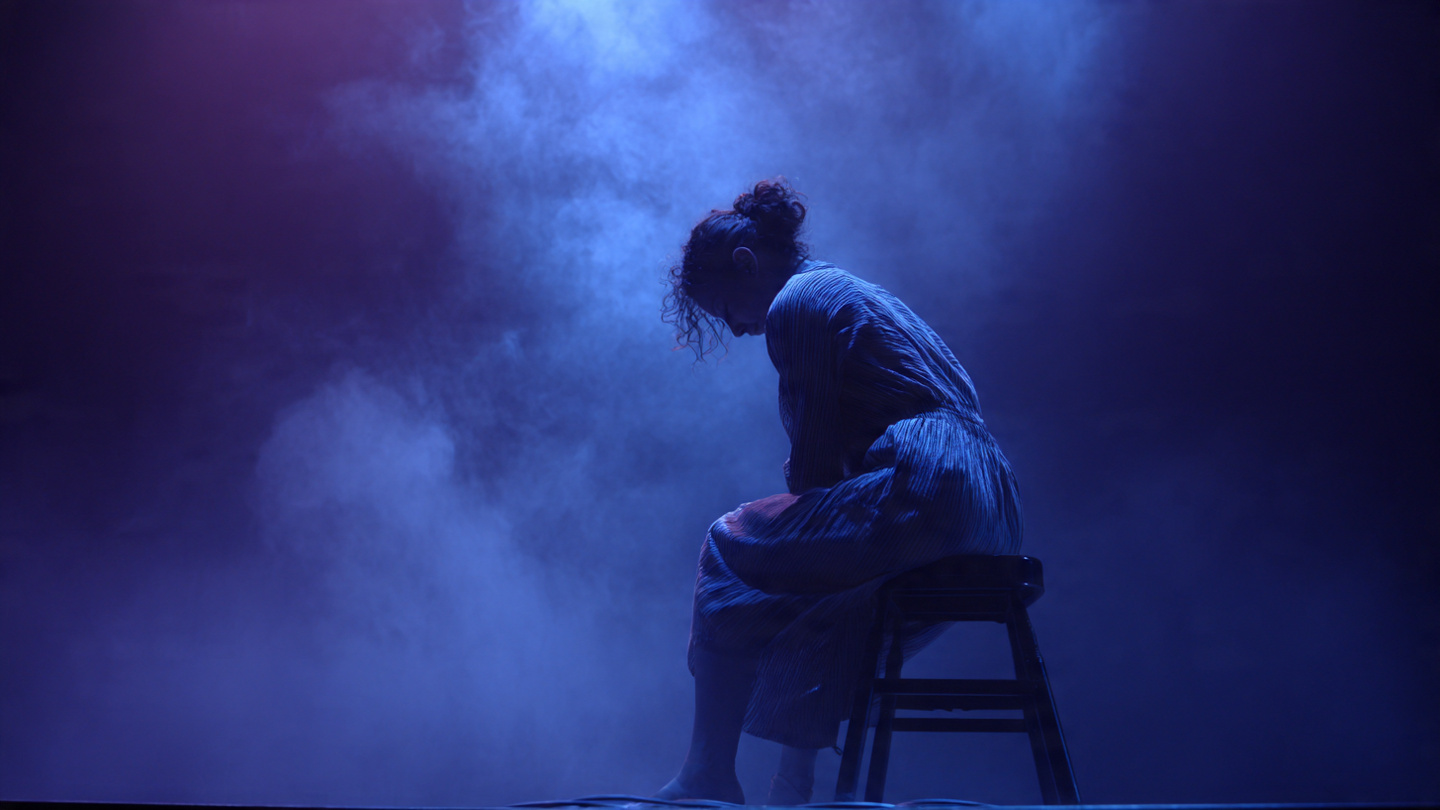
Years after its release, the performance continues to surface in conversations, not because it is constantly promoted, but because people keep returning to it. It appears in rewatch lists, late-night broadcasts, and quiet recommendations passed between viewers who notice something new each time.
What makes a performance endure is rarely its scale. More often, it is how well it adapts to changing habits—how it holds attention across different screens, moods, and moments in everyday life.
Placing the Performance in Context
When the performance first appeared, it arrived within a specific set of conditions. The film was made using tools and workflows that were becoming standard, even if audiences were not fully aware of them. Digital cameras captured finer detail. Editing systems allowed for tighter pacing. Distribution channels ensured the work would not disappear after its theatrical run.
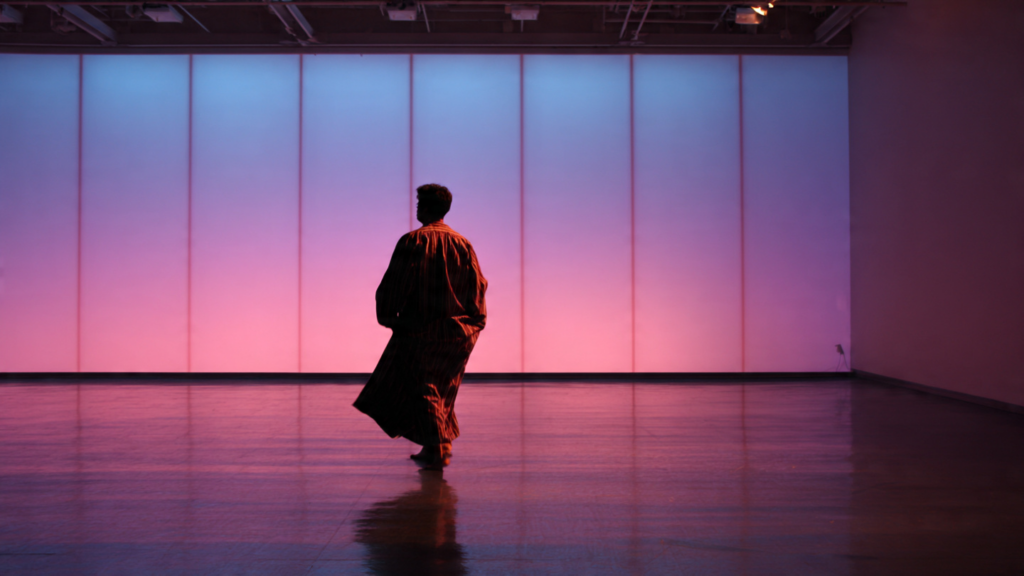
This context matters because it shaped how the performance was constructed. The actor was not playing only to a single room or a single moment. The work had to remain legible when viewed later, in isolation, or out of sequence. That requirement subtly influenced choices around restraint, timing, and physical expression.
Unlike performances built for immediacy, this one was designed—consciously or not—to last.
✨ AI Insight:
As digital archiving and recommendation systems became part of everyday media routines, performances that rewarded repeat viewing gained quiet relevance over time.
Subtlety That Survives Rewatching
One reason the performance still matters is its resistance to overstatement. Nothing in it demands attention through excess. Instead, meaning accumulates through small decisions: a pause held slightly longer than expected, a glance that does not resolve into clarity, a shift in tone that suggests rather than explains.
These choices become more visible with rewatching, a habit now common due to on-demand access. Viewers pause scenes, replay moments, or return years later with different expectations. Performances that rely on surprise often fade under this scrutiny. Performances grounded in internal logic tend to deepen.
This durability aligns with how modern audiences engage with media—not in a single sitting, but across fragmented, repeated encounters.
Technology as an Invisible Partner
While the performance is remembered for its human qualities, technology played a quiet supporting role. High-resolution capture preserved detail that might once have been lost. Sound design maintained vocal texture across different playback environments. Editing rhythms balanced clarity with openness.
Importantly, none of this draws attention to itself. The tools succeed because they disappear into the background, allowing the actor’s work to remain central. This mirrors how everyday technology earns trust: by functioning reliably without demanding focus.
The performance benefits from this invisibility. It feels present whether watched on a large screen or a phone, in silence or with distractions nearby.
Cultural Relevance Without Topicality
Another reason the performance endures is its distance from specific trends. It does not rely on references that date quickly or gestures tied to a narrow cultural moment. Instead, it engages with conditions that remain familiar—uncertainty, restraint, contradiction.
This quality allows the performance to travel across time and context. New audiences encounter it without needing background knowledge, while returning viewers bring fresh interpretations shaped by their own experiences.
In a media environment saturated with immediacy, this kind of openness becomes increasingly rare—and increasingly valuable.
Influence on Later Work
The performance’s influence extends beyond audience memory. It has shaped how similar roles are approached, setting a reference point for tone and control. Without being copied directly, its underlying logic appears in later work that favors coherence over display.
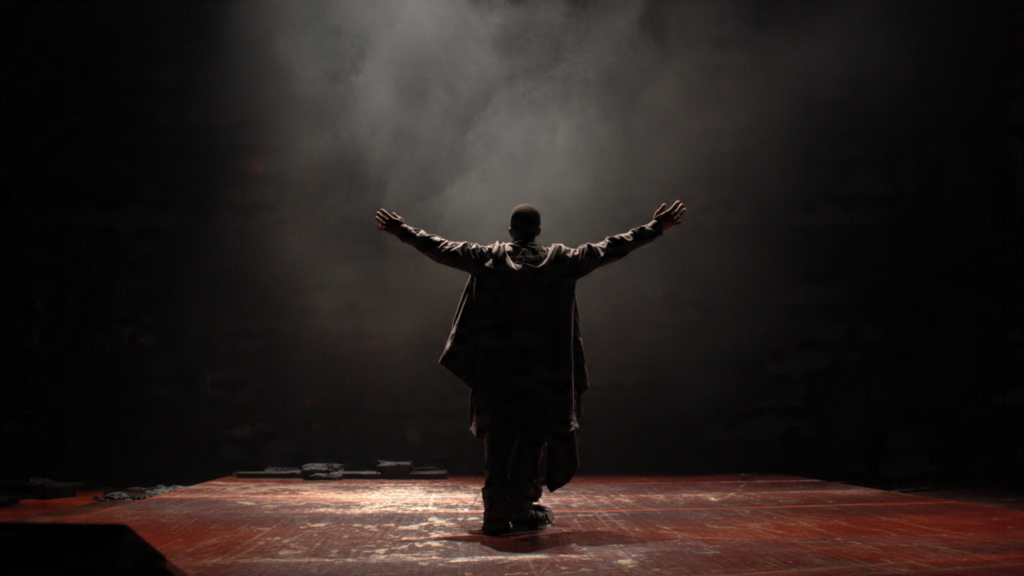
Actors and directors working within digitally mediated environments often cite the importance of grounding performances, especially when surrounded by technical complexity. This performance demonstrated that restraint could coexist with scale, and that clarity could survive layers of production.
Its relevance persists not because it defined a trend, but because it showed an approach that remains workable.
Everyday Viewing Habits and Lasting Impact
Modern viewing habits play a significant role in sustaining relevance. Films no longer pass once through theaters and vanish. They remain accessible, searchable, and shareable. Performances are extracted into clips, discussed in essays, and referenced across platforms.
In this environment, work that holds together outside its original context gains influence. The performance still matters because it remains intact when separated from its initial release conditions.
Like a well-designed tool that continues to function as routines change, it integrates smoothly into contemporary viewing life.
Why It Matters
Understanding why this performance still matters offers insight into how lasting creative work is shaped today. For audiences, it explains why certain roles feel perennially present rather than archived. For creators, it highlights the value of work that anticipates reuse, reinterpretation, and long-term access.
Beyond film, the lesson applies broadly. Enduring contributions often come from aligning skill with systems that outlast a single moment. The performance’s relevance is less about its origin and more about its continued fit.
A Quiet Continuity
The performance has not been reintroduced or reframed to maintain attention. It simply remains available, ready to be encountered again. That quiet continuity is its strength.
As technology continues to shape how stories circulate, the performances that matter most may be those that ask the least of the viewer while offering the most over time. This one persists not by insisting on importance, but by remaining watchable, interpretable, and human—long after its debut.