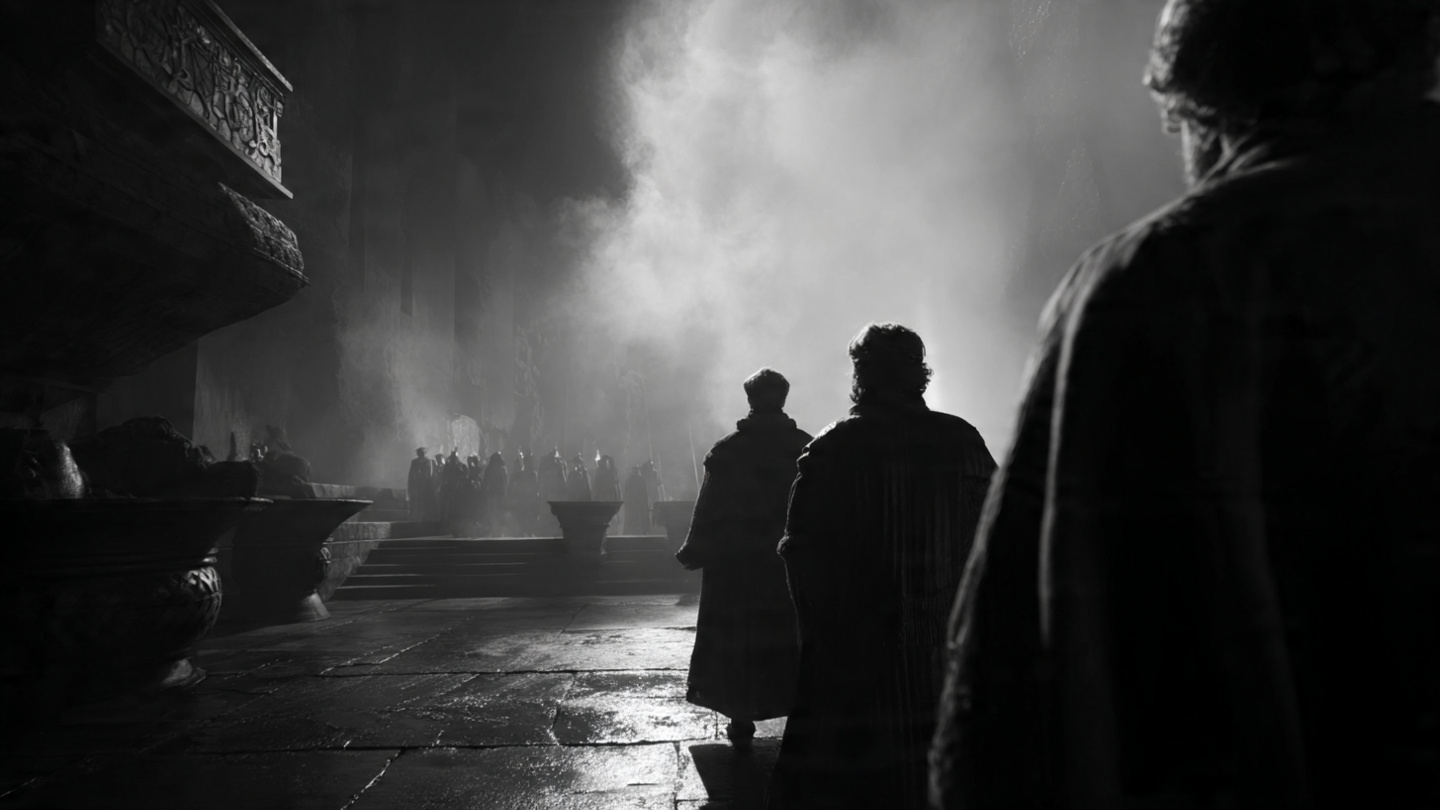
Some scenes age. Others refuse to. Years pass, screens change, formats evolve, and yet a particular moment still lands with the same weight. The room grows quiet, and attention narrows.
At home, this scene appears in ordinary settings. It plays while someone rests on a sofa or pauses in a doorway. Despite familiarity, it still feels present.
✨ AI Insight:
Instant access and replay turned memorable scenes into everyday companions, allowing them to be experienced repeatedly without losing their emotional clarity.
It Respects the Viewer
The scene works because it does not explain itself. It trusts silence, timing, and expression. Meaning is offered rather than enforced.
Viewers are allowed to meet it on their own terms. No instruction interrupts the moment. The feeling arrives naturally.
This restraint keeps the scene alive. It leaves space for interpretation. Each return becomes slightly different.

At home, this openness feels intimate. The room becomes part of the meaning. The moment belongs to whoever is watching.
It Moves at Human Speed
The scene is paced like thought. It does not rush revelation or linger for spectacle. It unfolds as realization does.
This rhythm aligns with how people process emotion. The body follows before the mind catches up.
Even when familiar, the timing still feels right. Anticipation becomes part of the experience.
In domestic spaces, this pace feels natural. It fits between breaths, between tasks. The room keeps up.
It Uses Less to Say More
There is economy in the moment. Few words. Limited movement. Nothing extraneous.
Every detail carries weight. A look replaces dialogue. A pause replaces explanation.
This simplicity gives the scene durability. It does not depend on context-heavy storytelling.
At home, it works even when entered mid-film. It stands on its own. The room understands.
It Lives in the Body
The scene produces a physical response. A chill. A tightening. A release.
This reaction bypasses analysis. It happens before thought. The body remembers even when the mind anticipates.
That is why repetition does not dull it. The body does not negotiate with memory.
In quiet rooms, this response feels amplified. The house seems to feel it too.
It Honors Silence
Silence is not absence here. It is material. It carries meaning.
The lack of sound invites attention. Viewers lean in. The room settles.
This silence does not demand. It waits.
At home, this waiting feels shared. Movement pauses. Even ordinary spaces become attentive.
It Aligns Image and Emotion
What is seen matches what is felt. The frame does not contradict the mood.
Light, distance, and composition work together. Nothing competes with the core emotion.
This coherence gives the scene clarity. It feels whole.
In domestic viewing, this clarity reads instantly. Even a glance understands the tone.
It Avoids Cleverness
The scene does not perform for itself. It does not show awareness of its own importance.
There is no wink. No excess. No attempt to impress.
This humility keeps it sincere. It feels lived rather than constructed.
At home, sincerity matters. The room accepts it. The moment feels honest.
It Fits Into Routine
The scene does not require ceremony. It can appear during a weekday evening.
It works alongside ordinary life. A kettle can cool. A phone can rest.
Intensity does not fracture the day. It integrates.
This compatibility keeps it present. It becomes part of routine rather than interruption.
It Creates a Pause
The moment opens a gap in time. The next action feels delayed.
Viewers hesitate before moving again.
That hesitation is part of its power.
In a home, this pause feels tangible. The room holds it.
It Survives Context Loss

Many scenes rely on buildup. This one carries its own weight.
Even without full narrative, it communicates.
This independence allows it to travel. It exists beyond its film.
At home, it often appears in fragments. It still works.
It Becomes Personal
Over years, the scene attaches itself to memory. It links to places and times.
A couch remembers it. A room recalls a season.
The moment becomes part of life rather than art alone.
This personal layering renews it. Each return carries history.
It Does Not Exhaust
Some powerful scenes overwhelm. This one invites.
It leaves space afterward. It does not demand recovery.
The viewer remains intact.
This gentleness allows repetition. The home welcomes it again.
It Respects Stillness
The scene allows nothing to happen. It values inaction.
In a culture of constant motion, this feels radical.
Stillness becomes meaningful.
Domestic spaces understand stillness. They are built for it.
It Feels Complete
The moment resolves something essential. Even if the story continues, this part feels whole.
It does not beg for extension.
Completion gives satisfaction.
At home, this makes it easy to revisit. It fits into small windows of time.
It Holds Up Without Spectacle
The scene does not depend on scale.
It works on large screens and small ones.
Its power is internal.
This portability keeps it alive in everyday spaces.
Why It Matters
Homes are shaped by what repeats within them. Scenes that still work do not remain in theaters. They live in kitchens and bedrooms.
They offer moments of focus inside routine. They deepen ordinary evenings without disrupting them.
This endurance is not accidental. It comes from restraint, clarity, and respect for the viewer.
Such scenes do not demand memory. They earn it.
They do not fade because they were never loud.
They persist because they leave space.
In rooms that change with life, they remain.
They do not belong to a time.
They belong to presence.
That is why this scene still works.
Not because it surprises.
Because it continues to meet people where they are.