
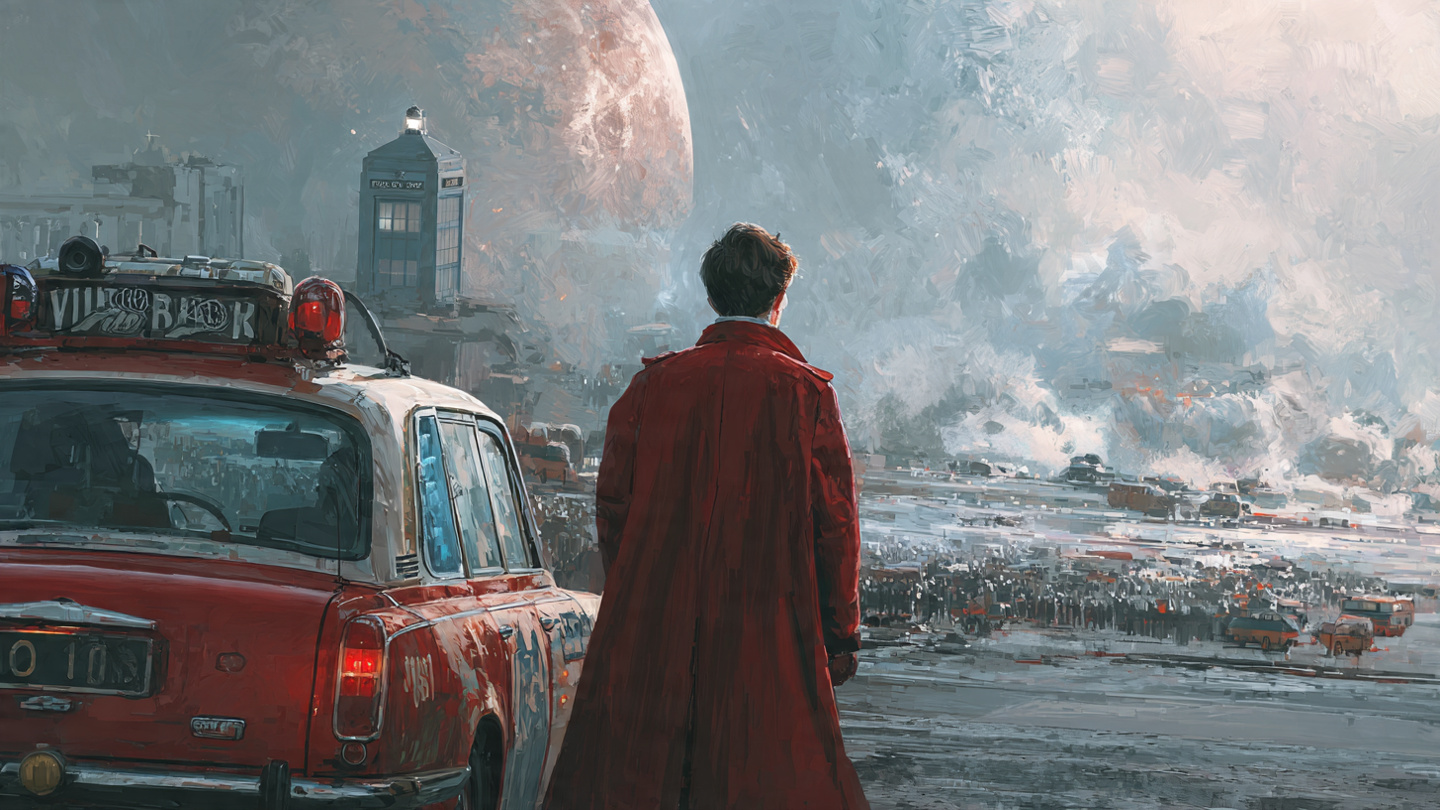
Over time, certain moments in film detach from their original scenes and take on a life of their own. They surface in memory not as full sequences, but as fragments—a look held a second too long, a line delivered with unexpected calm, a pause that reshapes everything around it.
Iconic moments are not always the loudest or most quoted. Often, they are the ones that continue to feel intact as viewing habits change, fitting naturally into how films are watched, revisited, and remembered today.
What Makes a Moment “Iconic”
An iconic moment is rarely designed as such. It usually emerges from alignment rather than intention: performance, framing, timing, and context working together without excess. The moment feels complete on its own, even when removed from the larger narrative.
Historically, these moments were reinforced through repetition—trailers, broadcasts, word of mouth. Today, they persist through accessibility. Clips circulate. Scenes are replayed. Still images become shorthand.
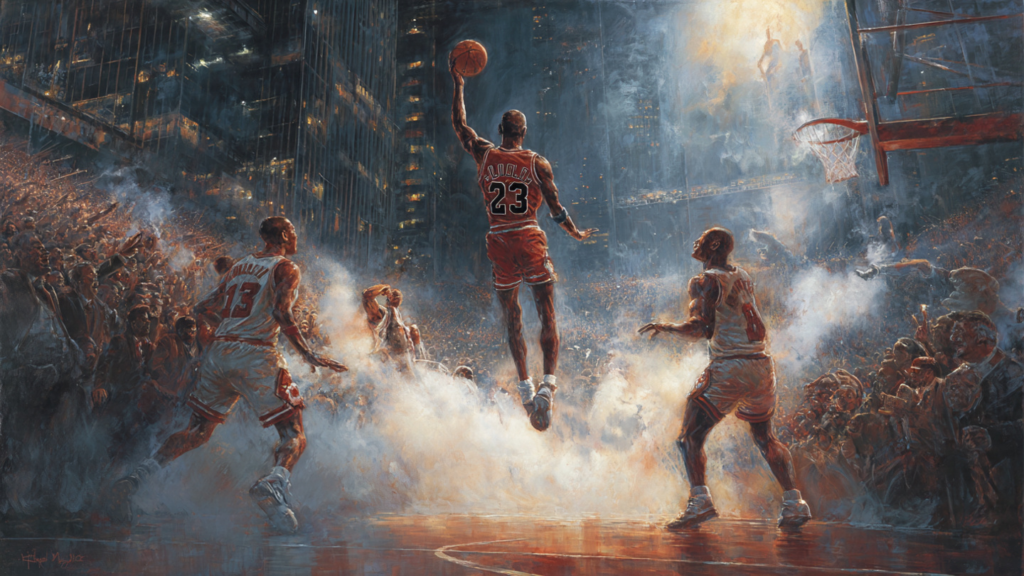
What matters is not scale, but clarity. An iconic moment communicates something essential in a way that survives compression, cropping, and repetition.
✨ AI Insight:
As digital viewing normalized clips, replays, and algorithmic resurfacing, small but coherent moments became easier to isolate and remember over time.
The Role of Performance in Defining the Moment
While music, dialogue, or visual composition can contribute, performance is often the anchor. A restrained reaction can outlast a dramatic gesture. A quiet choice can become more recognizable than spectacle.
Actors create these moments by trusting timing rather than emphasis. They allow the moment to land without insisting on its importance. This restraint makes the moment adaptable—it works whether viewed once in context or repeatedly in isolation.
In modern viewing environments, where scenes are encountered out of order or on small screens, this adaptability is essential.
Technology and the Survival of Detail
Technology plays a subtle but decisive role in which moments endure. High-resolution capture preserves facial nuance. Sound design ensures that silence and breath remain audible. Editing choices leave space rather than compressing time.
Just as importantly, distribution systems keep these moments available. A scene does not disappear after its initial run. It remains searchable, replayable, and shareable.
The moment becomes iconic not because it is constantly highlighted, but because it remains functional wherever it appears.
From Scene to Reference Point
Once a moment becomes familiar, it often shifts from narrative function to reference point. Viewers recall it independently of plot. It becomes a way to describe tone, character, or even an entire film.
This shift is reinforced by everyday media behavior. Clips are shared casually. Screenshots circulate without explanation. The moment is understood through repetition rather than context.
In this way, iconic moments resemble everyday digital gestures—recognizable, efficient, and widely understood without instruction.
Why Some Moments Age Better Than Others
Not all memorable moments endure. Those built on topical references or exaggerated style often lose clarity as contexts change. In contrast, moments grounded in human behavior—hesitation, resolve, uncertainty—translate more easily across time.
Iconic moments that last tend to avoid overstatement. They leave room for interpretation, allowing viewers to project meaning rather than receive it fully formed.
As films remain accessible indefinitely, this openness becomes a strength. The moment does not exhaust itself through explanation.
Rewatching and Reinforcement
Rewatching plays a key role in solidifying iconic status. A moment noticed casually on first viewing may gain weight through repetition. Each return confirms its coherence.
Modern viewing habits support this process. Scenes are replayed without friction. Viewers pause, rewind, or revisit selectively. Moments that hold up under this attention naturally rise in prominence.
Importantly, this reinforcement happens without formal curation. Iconic moments emerge organically through use.
Cultural Memory in Fragments
Today’s cultural memory is built less from complete works and more from fragments. Iconic moments function as entry points—small units of meaning that stand in for larger stories.
This fragmentation does not diminish film as a medium. Instead, it highlights which elements remain stable when separated from their original structure.
Moments that continue to communicate clearly in isolation become touchstones, even for viewers who encounter them indirectly.
The Industry’s Quiet Awareness
Behind the scenes, these moments influence creative decisions. They inform how scenes are paced, how performances are framed, and how silence is used.
While rarely cited explicitly, iconic moments shape expectations. They demonstrate that attention can be held without escalation, and that clarity often outperforms excess.
In digitally complex productions, these lessons become increasingly relevant.
Why It Matters
Understanding iconic moments helps explain how film history is written today. For audiences, it clarifies why certain scenes feel ever-present, even years later. For creators, it underscores the value of moments that remain readable across formats and contexts.
Beyond film, the pattern is familiar. Enduring elements are those that integrate smoothly into daily use, requiring little explanation while retaining meaning.
Moments That Stay With Us
Iconic moments do not demand remembrance. They persist because they continue to function—on different screens, in different moods, at different times.
As technology reshapes how stories circulate, these moments remain steady points of recognition. They remind viewers that significance often arrives quietly, embedded in timing, restraint, and choices small enough to survive everything around them changing.