Macaulay Culkin as Kevin McCallister: A Child Alone in a Very Full House
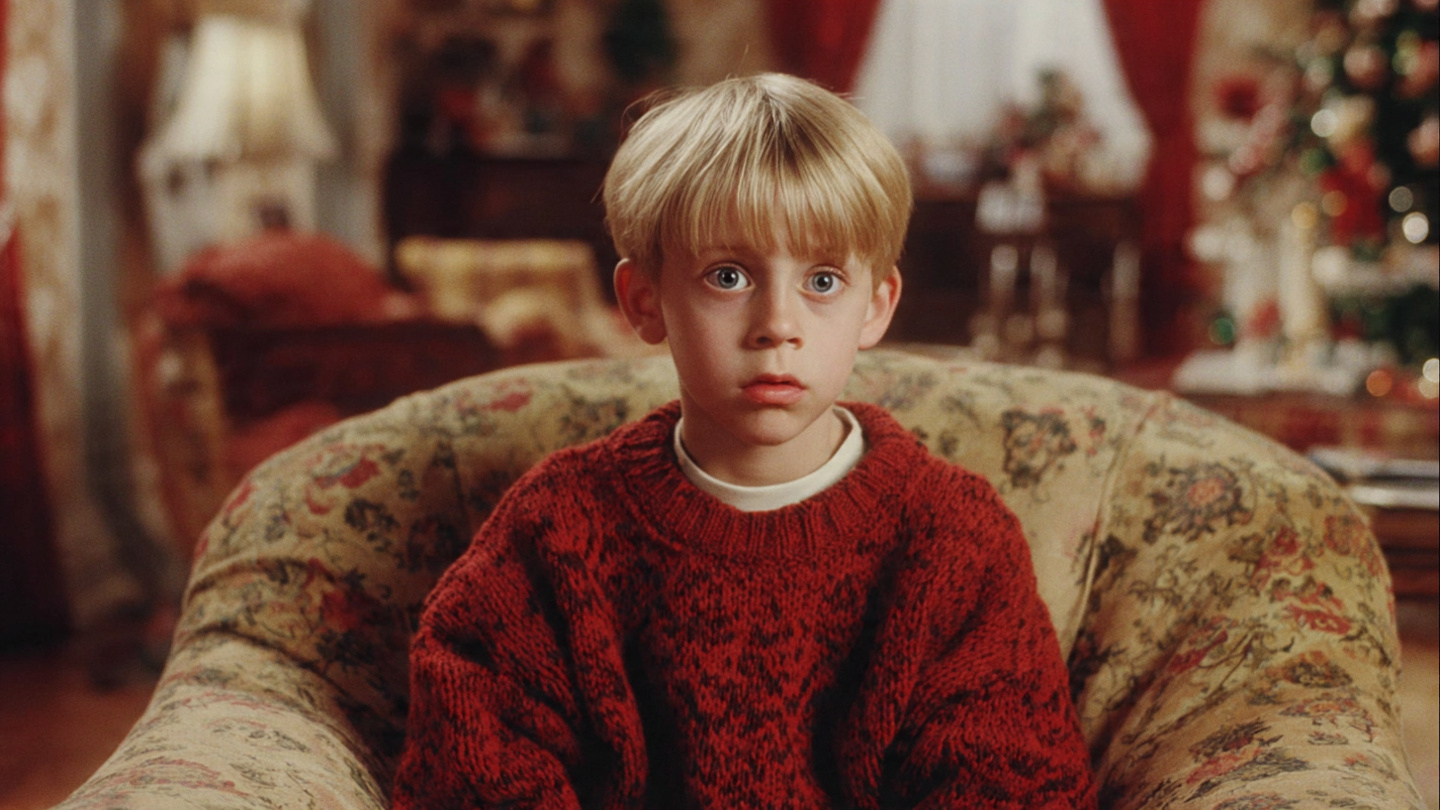
When Home Alone first played on television screens, Macaulay Culkin’s Kevin McCallister felt like the center of something enormous. The house around him seemed endless—rooms opening into more rooms, staircases that echoed with every step, windows that looked out onto quiet snow. As children watching, the size of it all felt thrilling, like freedom stretched across walls and floors.
Kevin’s confidence made being alone look playful. He talked to himself, set traps, and filled the silence with action. But watching now, that same performance carries a softer weight. Culkin’s pauses stand out more than his jokes. The way he hesitates before bed, the way he listens to the house at night—those moments linger.
Seeing Culkin today adds another layer of distance and closeness at once. The child who once ruled the house now exists as a memory tied to a specific feeling: the first time quiet felt big. For renters especially, that feeling is familiar. Moving into a new place often brings that same mix of excitement and uncertainty, where space feels louder simply because it’s empty.
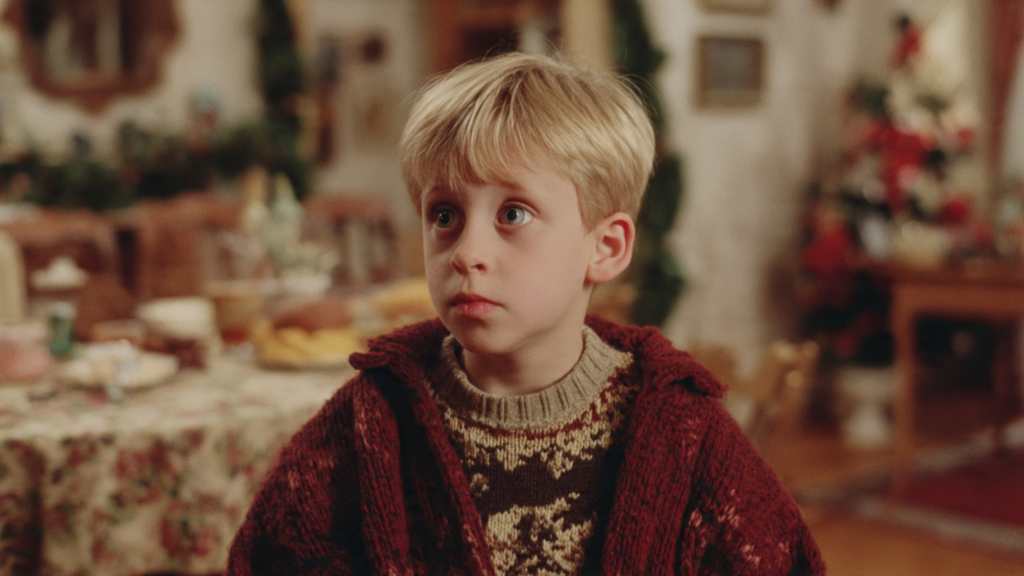
Kevin’s story hasn’t changed, but the way it settles in feels different now—less about cleverness, more about learning how to be alone without feeling lost.
Catherine O’Hara as Kate McCallister: Panic, Love, and the Pull of Home
Catherine O’Hara’s Kate McCallister moves through Home Alone with urgency that never quite fades. From the moment she realizes Kevin is missing, her energy shifts. Airports, phone calls, snow-covered streets—everything becomes background to a single thought: getting home.
As a child viewer, Kate’s panic felt distant, almost frantic in a way that was easy to overlook. Watching now, her performance feels grounded and heavy. Every rushed movement carries guilt, fear, and determination all at once. Home isn’t just a destination for her—it’s unfinished business.
O’Hara’s presence today, shaped by years of warmth and humor in later roles, makes this performance feel even more human. Her expressions feel familiar, like someone you know rather than a character on screen. She reminds viewers that houses matter because of who waits inside them.
For renters, that idea lands quietly. Even in temporary spaces, the emotional pull of home forms quickly. It’s not about ownership or permanence—it’s about knowing where your worry leads you when something feels wrong.
Kate McCallister’s journey isn’t flashy, but it grounds the film in something real: the instinct to return, no matter how far you’ve gone.
Joe Pesci as Harry and Daniel Stern as Marv: Chaos Passing Through Quiet Rooms
Joe Pesci and Daniel Stern brought Harry and Marv to life with exaggerated movement and physical comedy that once felt nonstop. As kids, their falls and mishaps were the loudest moments of the film—pain turned into humor, danger softened into slapstick.
Watching now, those scenes feel gentler. The violence is clearly unreal, almost theatrical. What stands out instead is how the house absorbs it all. Floors creak and recover. Staircases take the impact. Rooms return to stillness once the noise passes.
Pesci’s sharp intensity and Stern’s clumsy warmth create a strange balance. They don’t belong in the house, and the house seems to know it. Their presence highlights how spaces react to disruption without holding onto it.
For renters, this feels oddly familiar. So many moments pass through rented rooms—arguments, laughter, late nights—without leaving visible marks. The space holds the memory briefly, then lets it go.
Harry and Marv age in our memory, but the rooms they stumble through remain unchanged, quietly reminding us how temporary chaos often is.
John Heard as Peter McCallister: The Quiet Return to Familiar Ground
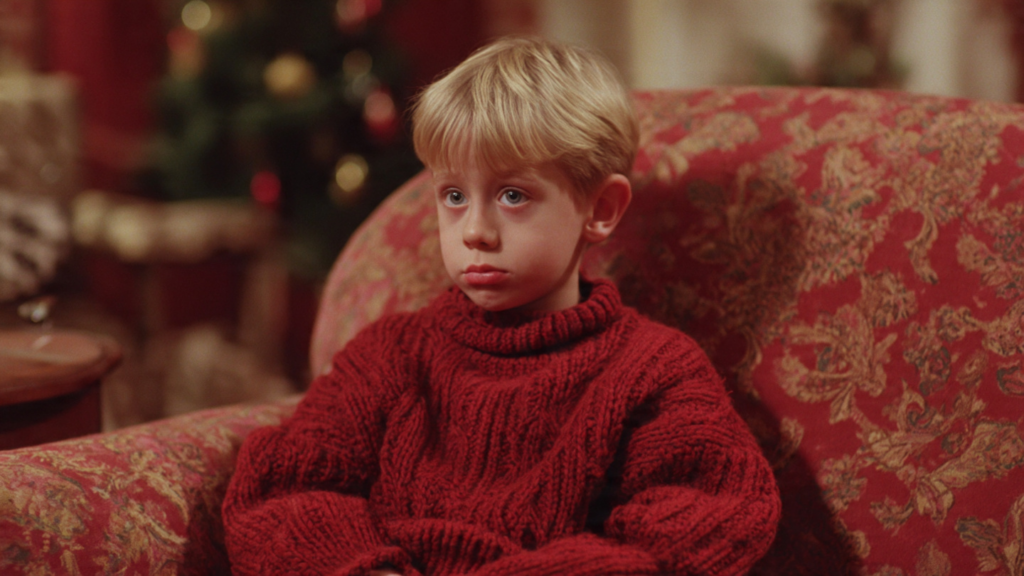
John Heard’s Peter McCallister is easy to miss if you’re not looking closely. He doesn’t rush like Kate or dominate scenes. Instead, he provides a steady presence that anchors the film once the panic settles.
His role becomes clearer with time. Peter represents the quiet relief of coming back. The moment when worry loosens its grip and familiarity takes over. His expressions don’t demand attention, but they offer reassurance.
Watching now, his performance feels like a pause after noise. For renters, that pause is deeply recognizable. Returning home—whether after work, travel, or stress—isn’t dramatic. It’s subtle. A door closes. Shoes come off. The body relaxes.
Peter McCallister embodies that feeling. The house doesn’t change when he arrives, but the atmosphere does. It feels complete again.
Looking back at the cast of Home Alone, the transformation isn’t just about age. It’s about perspective. What once felt loud and exciting now feels reflective and still, like revisiting a space that knows you’ve changed.
AI Insight:
Sometimes familiar movie faces remind us that the places we once imagined as huge and exciting now feel meaningful simply because we remember how they made us feel.