In the high-stakes world of Hollywood casting, the difference between a global icon and a “near miss” often comes down to a single phone call, a scheduling conflict, or a fundamental creative difference.
As of early 2026, the history of cinema is filled with “what if” scenarios that could have fundamentally altered the cultural zeitgeist.
From time-traveling teenagers to green-skinned witches, these casting secrets reveal a high-definition look at the sliding doors of the industry.
The Matrix: Will Smith as Neo
Before Keanu Reeves defined the role of Neo with his signature “zoned out” poise, the part was famously offered to Will Smith.
At the time, Smith was one of the most bankable leading men in the world, but he chose to pursue the Western comedy Wild Wild West instead.
Smith later admitted he “didn’t understand the script” at the time and believes Reeves was the perfect fit for the film’s unique, high-definition vibe.
His decision remains one of the most discussed pivots in film history, proving that the best results are often found when the right energy meets the right role.
Titanic: Matthew McConaughey as Jack Dawson
The ship of dreams almost set sail with a very different leading man, as Matthew McConaughey was a top contender for the role of Jack Dawson.
McConaughey has since revealed he had a “good audition” and even did a screen test with Kate Winslet, but the part ultimately went to Leonardo DiCaprio.
Director James Cameron reportedly felt DiCaprio possessed a more youthful, ethereal quality that was essential for the high-stakes romance of the 1997 epic.
This casting choice solidified DiCaprio’s status as a global heartthrob and remains a benchmark for how the right chemistry can define a multi-billion dollar legacy.
Back to the Future: Eric Stoltz as Marty McFly
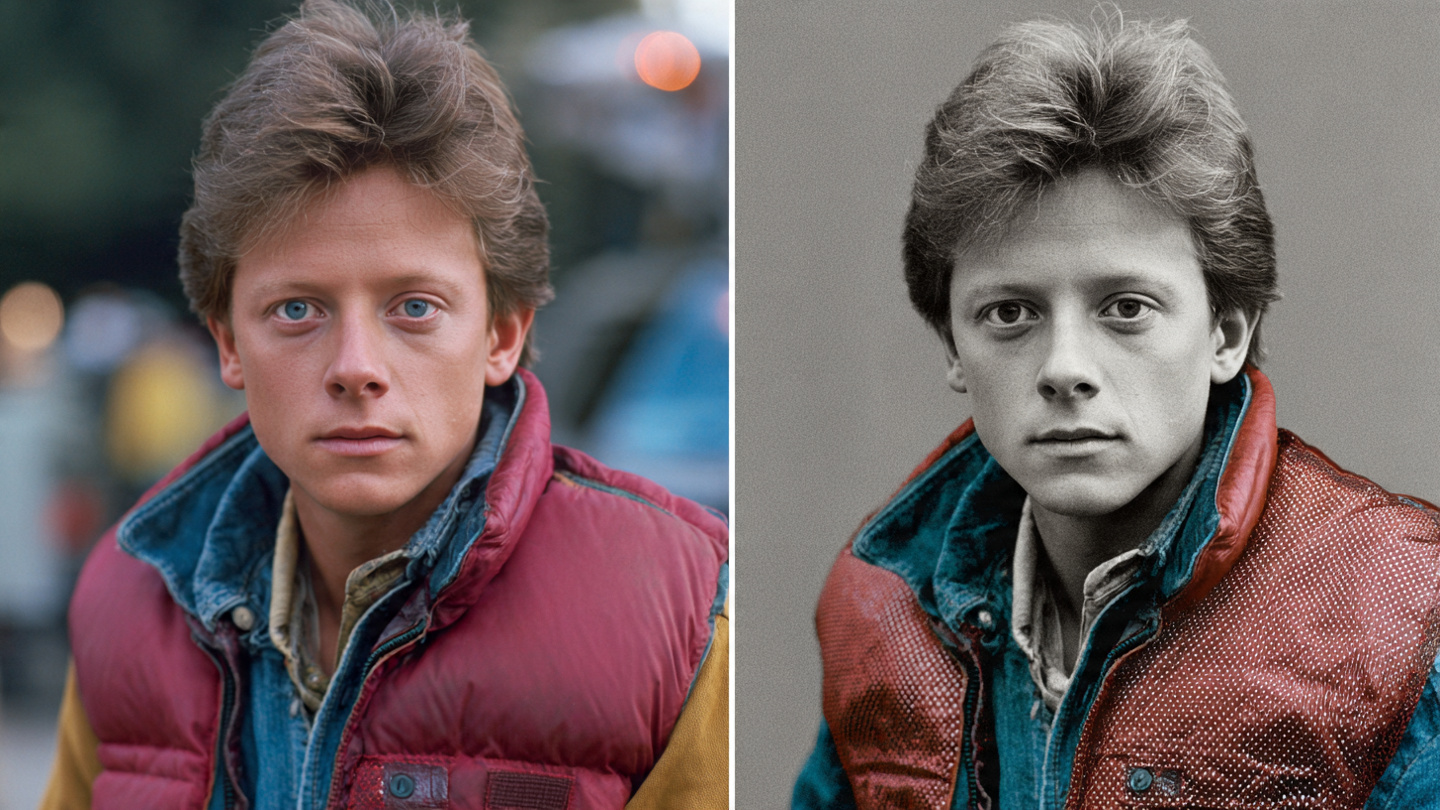
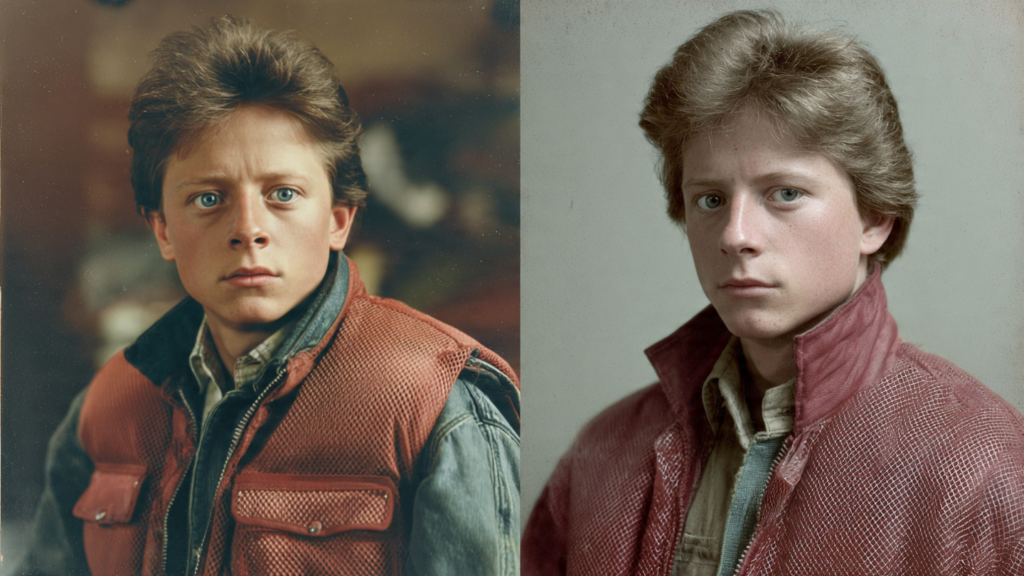
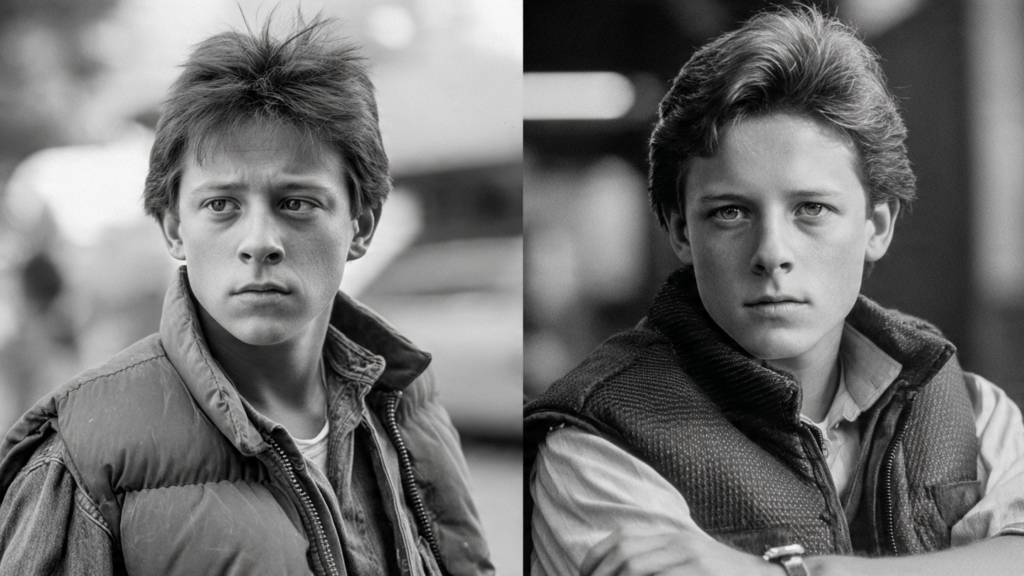
Perhaps the most famous “near miss” in casting history involves Eric Stoltz, who actually filmed several weeks of Back to the Future as Marty McFly.
Director Robert Zemeckis eventually realized that Stoltz’s performance was too intense and lacked the rhythmic, comedic timing required for the role.
The production was famously shut down to bring in Michael J. Fox, who successfully balanced his Family Ties schedule with the film’s high-velocity shoots.
The footage of Stoltz remains a holy grail for film historians, a reminder that even the most talented actors must align with the specific “flow” of a project.
Iron Man: Tom Cruise as Tony Stark
The Marvel Cinematic Universe almost looked entirely different, as Tom Cruise was in the final running to play the armored billionaire, Tony Stark.
Cruise was a major A-list star during the film’s six-year development, but he eventually pulled out, stating it “wasn’t nearly as close” as rumors suggested.
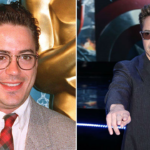
This allowed Robert Downey Jr. to step into the role, bringing a high-definition charm and professional resilience that launched a global phenomenon.
Today, it is impossible to imagine the MCU without Downey’s influence, proving that the most enduring results come from a perfect synchronization of actor and character.
Wicked: Anne Hathaway and Demi Moore as Elphaba
The journey of Wicked to the big screen has spanned decades, with several high-profile actresses nearly stepping into the role of the Wicked Witch of the West.
In the 1990s, Demi Moore’s production company optioned the rights, and she likely would have played a non-musical version of the green-skinned girl.
Later, Anne Hathaway was considered for the role during various iterations of the musical adaptation before Ariana Grande and Cynthia Erivo were finally cast.
Hathaway’s near-casting is a testament to her multi-dimensional talent, but the final 2024/2025 production has found its own high-definition success with a new generation.
Why Casting Secrets Matter
These “almost cast” stories matter because they reveal the human substance and professional friction behind the most polished results in Hollywood.
By exploring these “what if” scenarios, we see that the most successful projects are those that prioritize the authenticity of the performance over the noise of fame.
Their history proves that true legacy is built through a consistent and intentional commitment to the quality of the work and the integrity of the vision.
✨ AI Insight: Legacy is not about the role you were offered in the past, but the steady, graceful light you bring into the characters and stories you choose to inhabit today.