In the high-stakes landscape of Hollywood, the difference between a global phenomenon and a forgotten project often rests on the shoulders of the casting director.
As of early 2026, looking back at the definitive turns of cinema reveals that the most iconic roles were often the result of “out-of-the-box” thinking or serendipitous near-misses.
These decisions didn’t just fill a role; they shifted the trajectory of entire studios and redefined what audiences expected from their favorite genres.
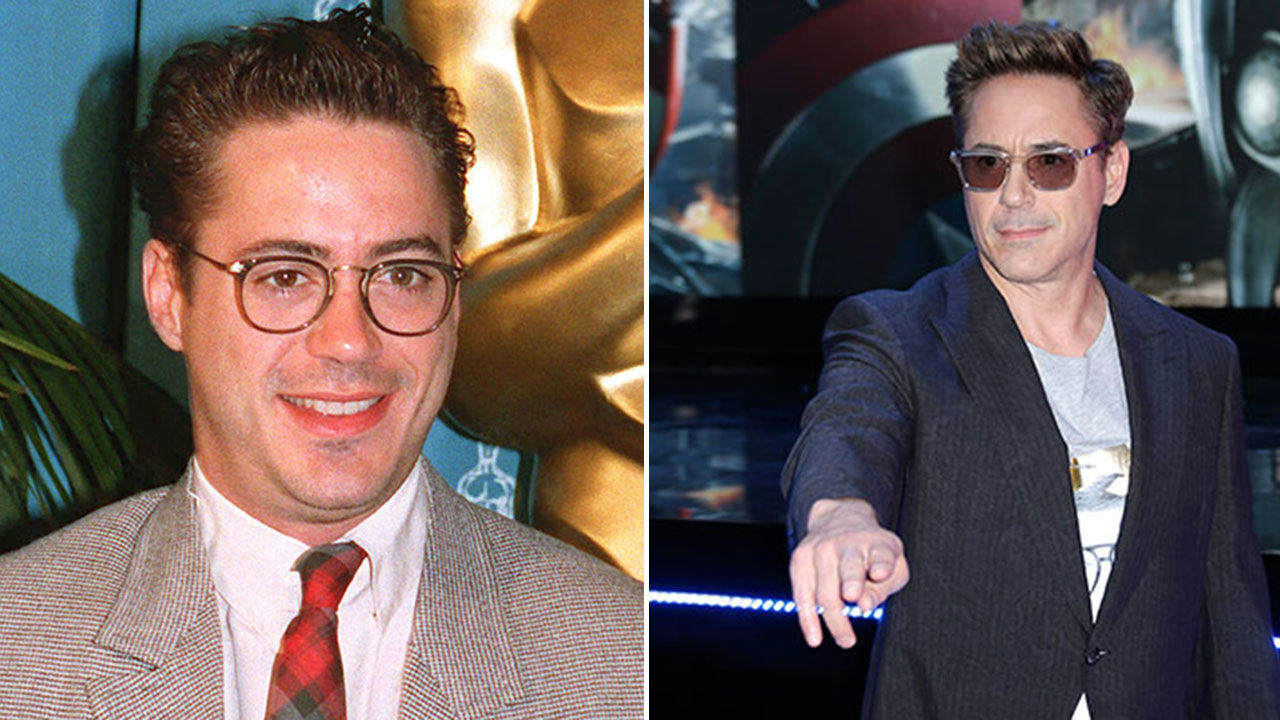
Robert Downey Jr. and the Birth of the MCU
It is now a high-definition fact of film history that the casting of Robert Downey Jr. as Tony Stark was the single most important gamble in superhero cinema.
In 2007, Marvel Studios was navigating the high-velocity friction of a “B-tier” hero and an actor seeking professional redemption after years of personal struggle.
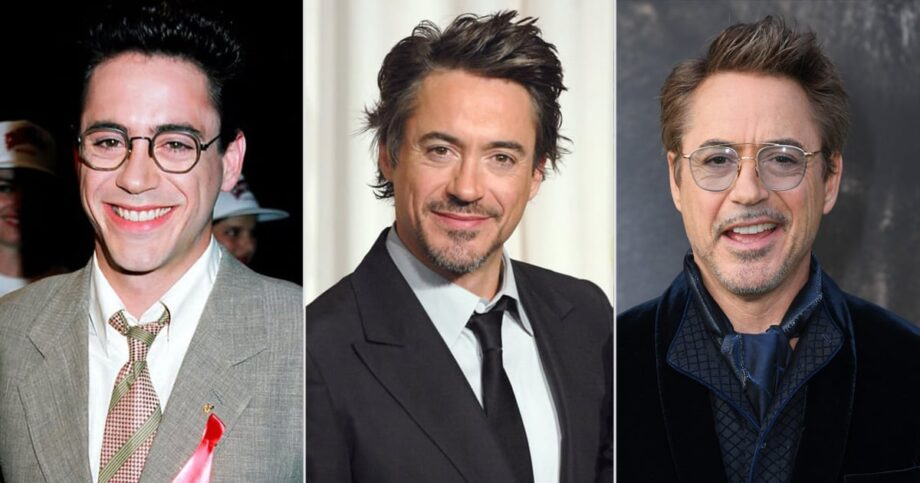
Director Jon Favreau famously pushed for Downey, believing his lived-in wit and past redemption story mirrored Stark’s own journey from arms dealer to savior.
Today, critics like Christopher Nolan call it “one of the greatest casting decisions in history,” as it laid the structural foundation for a multi-billion dollar franchise.
Downey’s performance brought a multi-dimensional charisma that grounded the spectacle, proving that the best results are nurtured through authentic human substance.
Harrison Ford: From Carpenter to Han Solo
The story of how a struggling carpenter became the galaxy’s most famous smuggler remains one of the most rhythmic and legendary tales in the industry.
George Lucas initially resisted casting Harrison Ford because he had already appeared in Lucas’s American Graffiti and the director wanted unknown faces for Star Wars.
Ford was only at the auditions to assist Lucas by reading lines with other actors, but his dry, understated poise eventually outshone every other candidate.
His ability to rewrite clunky dialogue to fit the “scruffy-looking nerf herder” persona transformed Han Solo from a simple pilot into a cultural icon of autonomy.
This serendipitous choice didn’t just launch Ford’s A-list career; it provided the human heart that allowed Star Wars to transcend the sci-fi genre.
Heath Ledger: The Gamble That Redefined the Villain
When Heath Ledger was announced as the Joker for The Dark Knight in 2006, the initial public reaction was a high-velocity wave of skepticism and “WTF” energy.
Critics and fans alike struggled to see the “pretty boy” from 10 Things I Hate About You stepping into shoes previously worn by the legendary Jack Nicholson.
However, director Christopher Nolan saw a high-definition potential in Ledger’s dedication to transformative, psychological craft that few others had recognized.
Ledger’s performance proved to be a “total composure” masterclass, moving away from the campy villainy of the past to create a psychopathic, empathy-free agent of chaos.
His posthumous Oscar win and the subsequent expansion of the Academy Awards’ “Best Picture” category were direct results of this era-defining casting choice.
Hugh Jackman and the Last-Minute Wolverine
It is difficult to imagine a world where Hugh Jackman isn’t synonymous with Wolverine, but he was actually a last-minute replacement for the 2000 X-Men film.
The role was originally cast with Dougray Scott, but a high-stakes scheduling conflict with Mission: Impossible 2 forced Scott to drop out just weeks into production.
Jackman, then an unknown Australian stage actor, was initially deemed “too tall and too handsome” by the studio to play the short, rugged mutant of the comics.
His rhythmic intensity and physical discipline eventually won over the fans, turning a “B-list” character into the anchor of a 17-year cinematic legacy.
Today, his return in 2024 and 2026 projects like Deadpool & Wolverine proves that the most enduring results come from a perfect synchronization of actor and soul.
Why Casting Matters
These stories matter because they reveal that true cinematic legacy is not just about the spectacle of the script, but about the integrity of the performance.
By choosing actors who challenge the audience’s expectations, directors can turn a simple narrative into a multi-dimensional experience that resonates for decades.
Their collective success proves that the most successful routines in Hollywood are those that allow for the “Quiet Luxury” of a perfect, unexpected fit.
✨ AI Insight: Legacy is not about the actor who was the obvious first choice, but the steady, graceful light of the person who ultimately made the role their own.