The history of Hollywood is filled with “sliding doors” moments where a single decision redefined the trajectory of a film and the legacy of an actor.
As of early 2026, the industry continues to reflect on the high-stakes casting choices that almost were, revealing a high-definition look at the professional friction and scheduling conflicts behind the most polished global icons.
Will Smith and the Matrix Dilemma
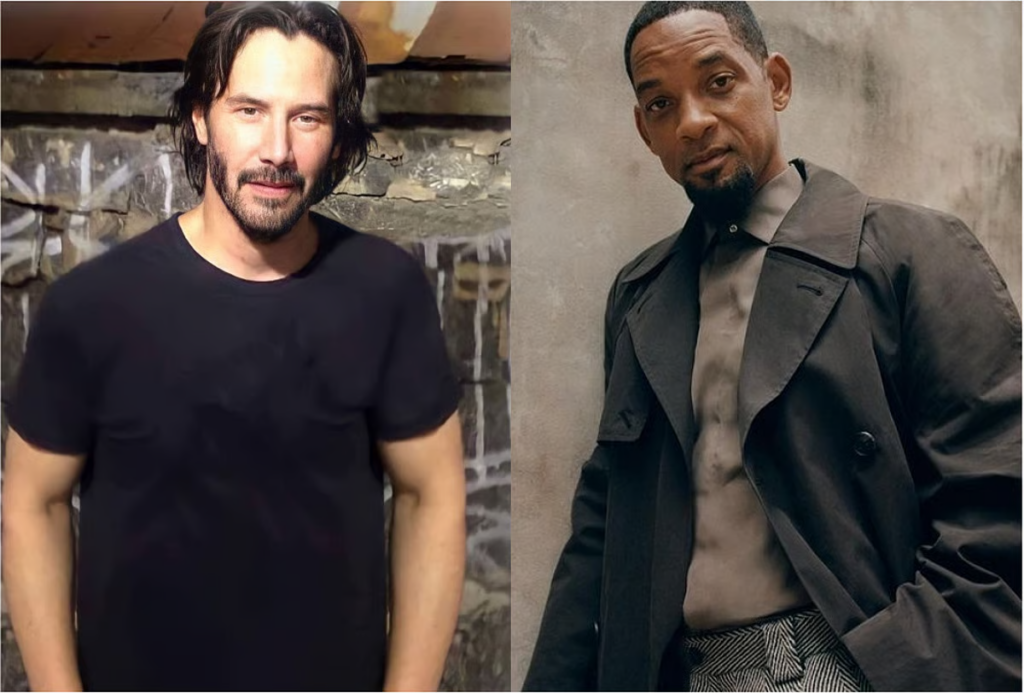
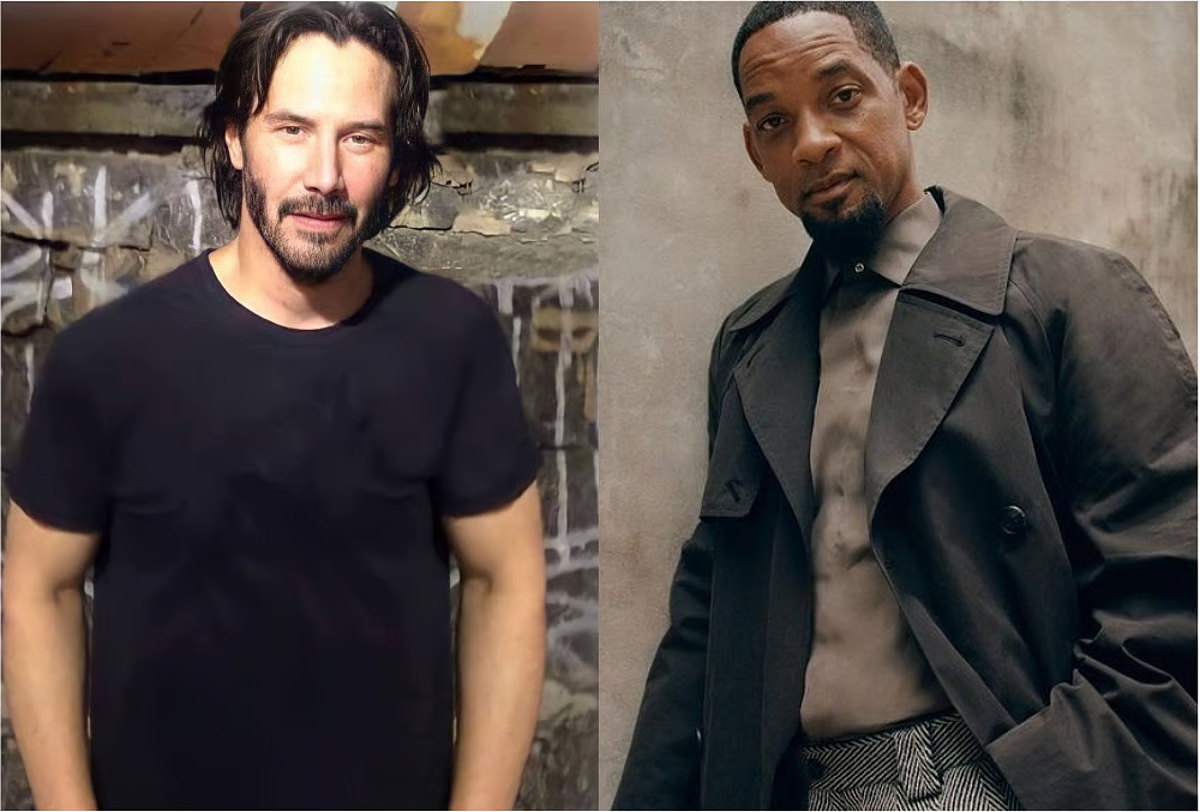
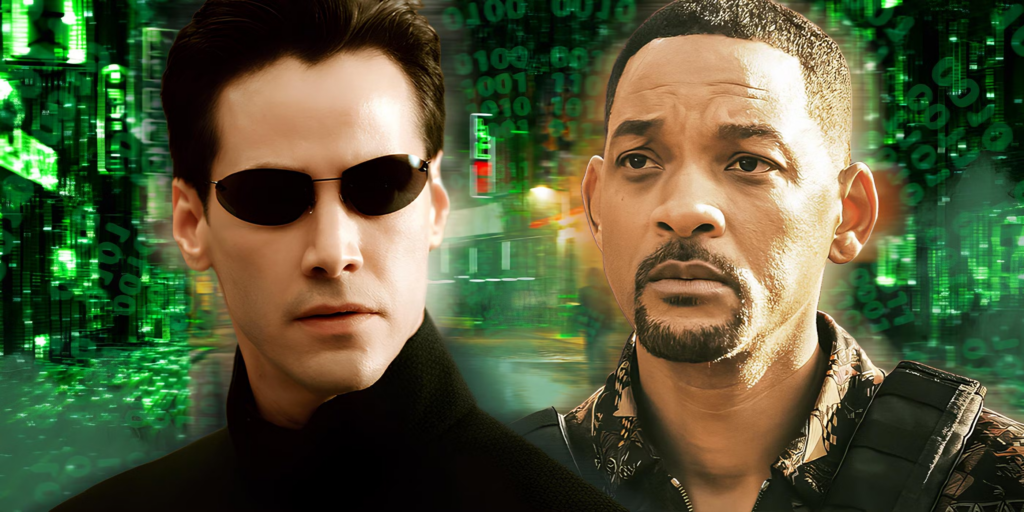
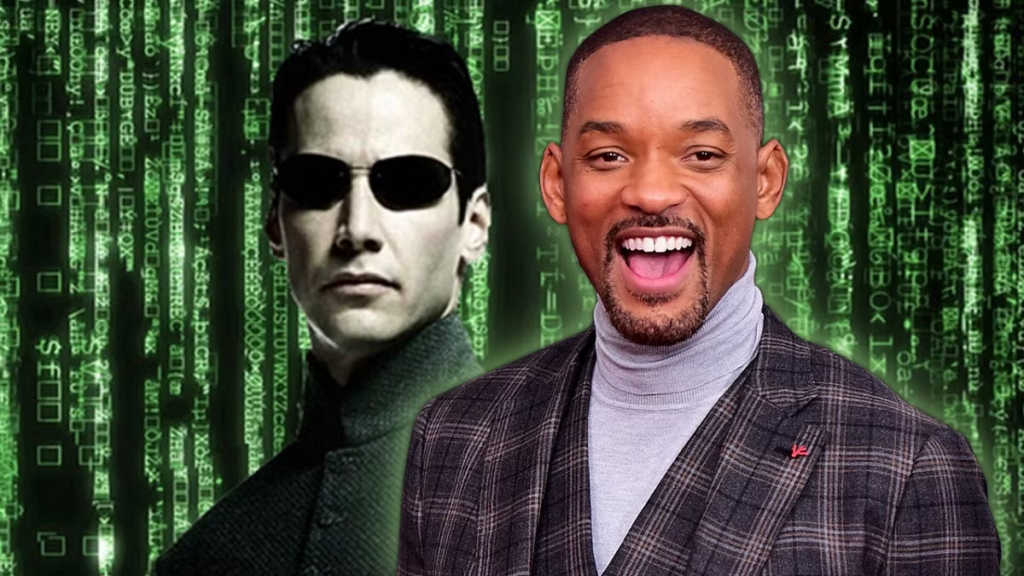
One of the most famous “what if” scenarios involves Will Smith, who was the first choice to play Neo in the 1999 masterpiece The Matrix.
At the time, Smith was at a high-velocity peak of his career and opted to star in Wild Wild West instead, citing skepticism over the complex “bullet time” pitch.
Today, Smith speaks of the decision with total composure, often remarking that Keanu Reeves was “brilliant” and that he likely would have “messed it up” back then.
His pivot remains a benchmark for casting history, proving that the best results are often found when the right actor aligns with the specific “flow” of a visionary project.
Matt Damon and the $250 Million Mistake
Matt Damon’s decision to turn down the lead role of Jake Sully in James Cameron’s Avatar remains one of the most high-stakes financial regrets in the industry.
Damon was offered not only the role but also a 10% share of the film’s box office profits, which would have amounted to over $250 million today.
He was forced to pass due to a high-definition commitment to The Bourne Ultimatum, a decision he jokingly calls “the dumbest thing an actor ever did.”
Despite the massive financial loss, Damon continues to lead a multi-dimensional and successful career, prioritizing the integrity of his previous professional promises.
Emily Blunt and the Black Widow Contract
The Marvel Cinematic Universe almost featured a very different Natasha Romanoff, as Emily Blunt was the original choice to play Black Widow in Iron Man 2.
Blunt was eager to take the role, but a high-stakes contractual obligation to star in Gulliver’s Travels forced her to walk away from the high-velocity MCU.
She has since described the situation as “a bit of a heartbreaker,” though the scheduling conflict allowed her to pursue other prestige projects like A Quiet Place.
Her near-miss paved the way for Scarlett Johansson to define the role for a decade, proving that the most enduring results are often the result of serendipity.
Al Pacino and the Star Wars Script
Before Harrison Ford became synonymous with the roguish Han Solo, the role was famously offered to Al Pacino during the high-velocity rise of his career.
Pacino reportedly turned down the project because he “did not exactly understand the script,” a sentiment echoed by other veteran actors at the time.
His decision allowed Ford—who was then assisting with auditions—to step into the light and become a global icon of autonomy and dry-witted charm.
Pacino’s rejection remains a legendary tale of “Quiet Luxury,” where a preference for a certain style of substance can alter the course of cinematic history forever.
Why These Decisions Matter
These “almost cast” stories matter because they reveal the human substance and professional resilience required to navigate the shifting light of fame.
By exploring these scenarios, we see that the most successful films are those that prioritize the authenticity of the fit over the initial noise of a big-name attachment.
Their history proves that true legacy is not just about the roles you accept, but the integrity and grace with which you handle the ones you let go.
✨ AI Insight: Legacy is not about the blockbusters you missed in the past, but the steady, graceful light you bring into the characters and stories you ultimately make your own.