Most films feel complete when they reach an audience. Every moment appears intentional, every scene essential. What viewers rarely realize is how many sequences come close to disappearing before the final cut.
People have started to notice this through director interviews and special features. Entire scenes are filmed, edited, and refined, only to be removed quietly. These decisions happen not because the scenes fail, but because the story changes around them.
A movie is shaped as much by what is removed as by what remains.
✨ AI Insight:
As editing tools become more flexible, films increasingly evolve through subtraction, with small changes quietly redefining what a story feels like in everyday viewing.
When Pacing Redefines Importance
A scene can be beautifully acted and still vanish. Often, the reason is rhythm. A story that lingers too long in one place begins to feel heavy.
Editors watch how energy flows across the entire film. A reflective moment may slow momentum. An explanation may arrive too early. What works alone may disrupt the whole.
Removal becomes a form of care. The scene is not wrong. It simply belongs to a different version of the film.
Storylines That Shift Direction
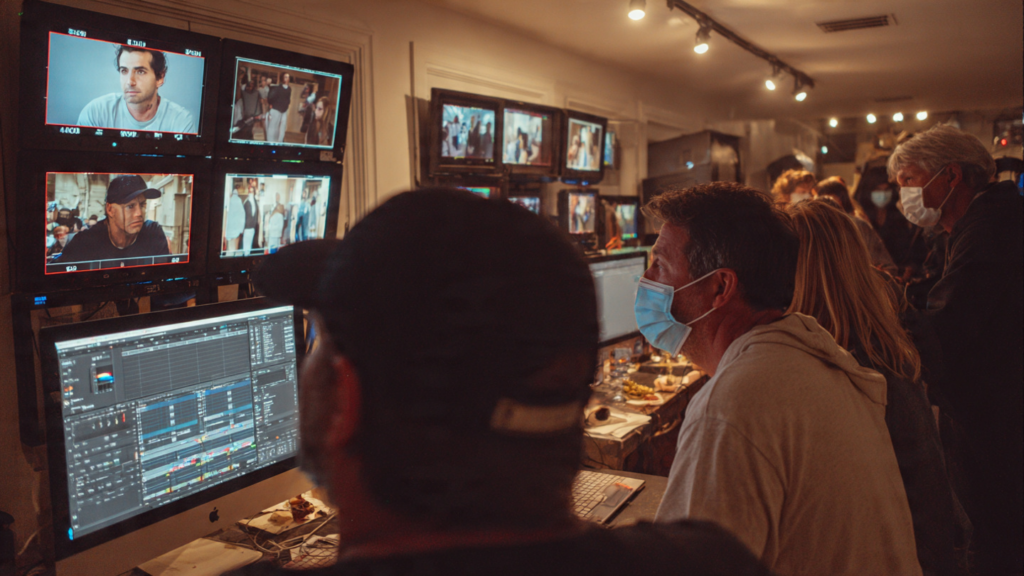
During production, scripts continue to evolve. A character may change purpose. A subplot may lose relevance. What once felt necessary becomes optional.
Scenes built for earlier drafts suddenly feel misplaced. They echo intentions the story no longer holds.
Rather than force alignment, filmmakers let them go. The film moves forward while fragments remain behind.
These moments still exist, just outside the narrative that reached theaters.
Tone That No Longer Fits
Every film carries an emotional balance. Humor, tension, and quiet must coexist. A scene that leans too far in one direction can tip that balance.
A joke may undercut gravity. A dark beat may arrive too early. A tender exchange may soften momentum.
When tone drifts, scenes are reconsidered. The goal is not uniformity, but coherence.
The audience never feels the adjustment. They feel only the stability it creates.
Performances That Reveal Too Much
Sometimes a scene works too well. It exposes motivation that the story benefits from withholding.
A confession may resolve mystery. A conversation may explain conflict. The character becomes too readable.
Editors preserve uncertainty by removing clarity. What remains unsaid becomes powerful.
The scene is not flawed. It is simply ahead of the narrative.
Technical Limits That Change Outcomes
Some scenes disappear because they cannot be completed as intended. Effects prove impractical. Sound cannot be salvaged. Continuity breaks.
Rather than compromise the illusion, filmmakers choose absence.
Technology offers solutions, but it also sets boundaries. A scene that demands more than the tools allow quietly steps aside.
The story adapts without drawing attention.
Test Audiences as Mirrors
Preview screenings provide perspective. Viewers reveal where attention drifts and confusion grows.
A scene that felt essential in editing may stall real audiences. Reactions become data.
Filmmakers adjust not to satisfy, but to clarify. The goal is communication.
A removed scene reflects listening rather than failure.
Alternate Versions That Still Exist
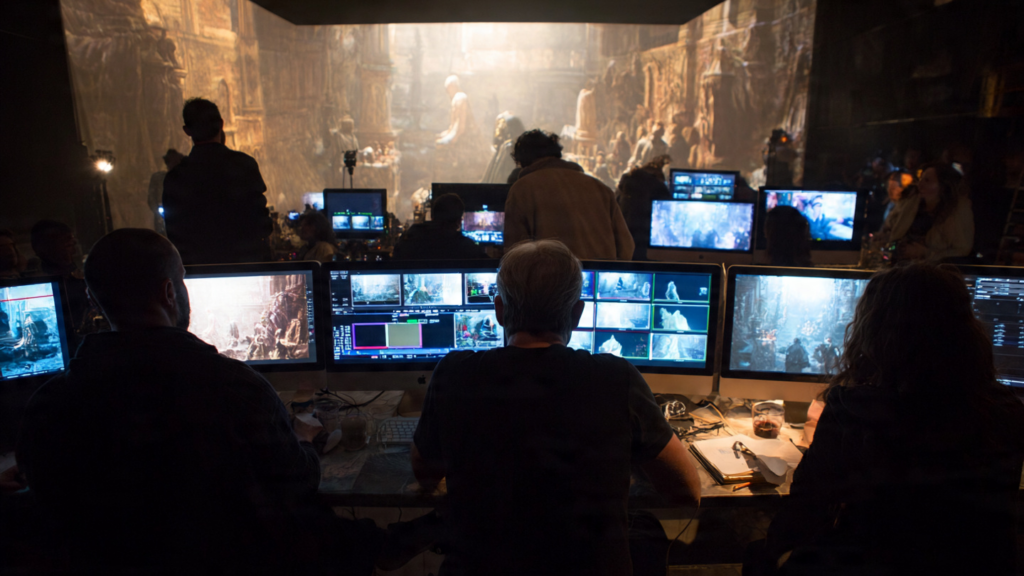
Deleted scenes often resurface on home releases. They show parallel paths the story might have taken.
Fans explore these fragments with curiosity. They imagine different rhythms and meanings.
These versions remind viewers that films are not fixed objects. They are decisions made visible.
Every cut carries a shadow.
Why These Scenes Matter
Almost-scenes reveal how stories are shaped through restraint. They show that storytelling is not accumulation, but refinement.
What remains feels inevitable because alternatives were tested and released.
Understanding this deepens appreciation. A finished film is not a single creation, but a sequence of choices.
Every absence carries intention.
The Film Beneath the Film
Behind every movie exists another version, composed of moments that nearly survived.
A look held longer.
A conversation extended.
A goodbye that lingered.
These fragments live outside the screen, yet they shape what appears within it.
The scenes that almost didn’t make the movie still matter.
They remind us that every story is built twice.
Once in creation.
Once in removal.