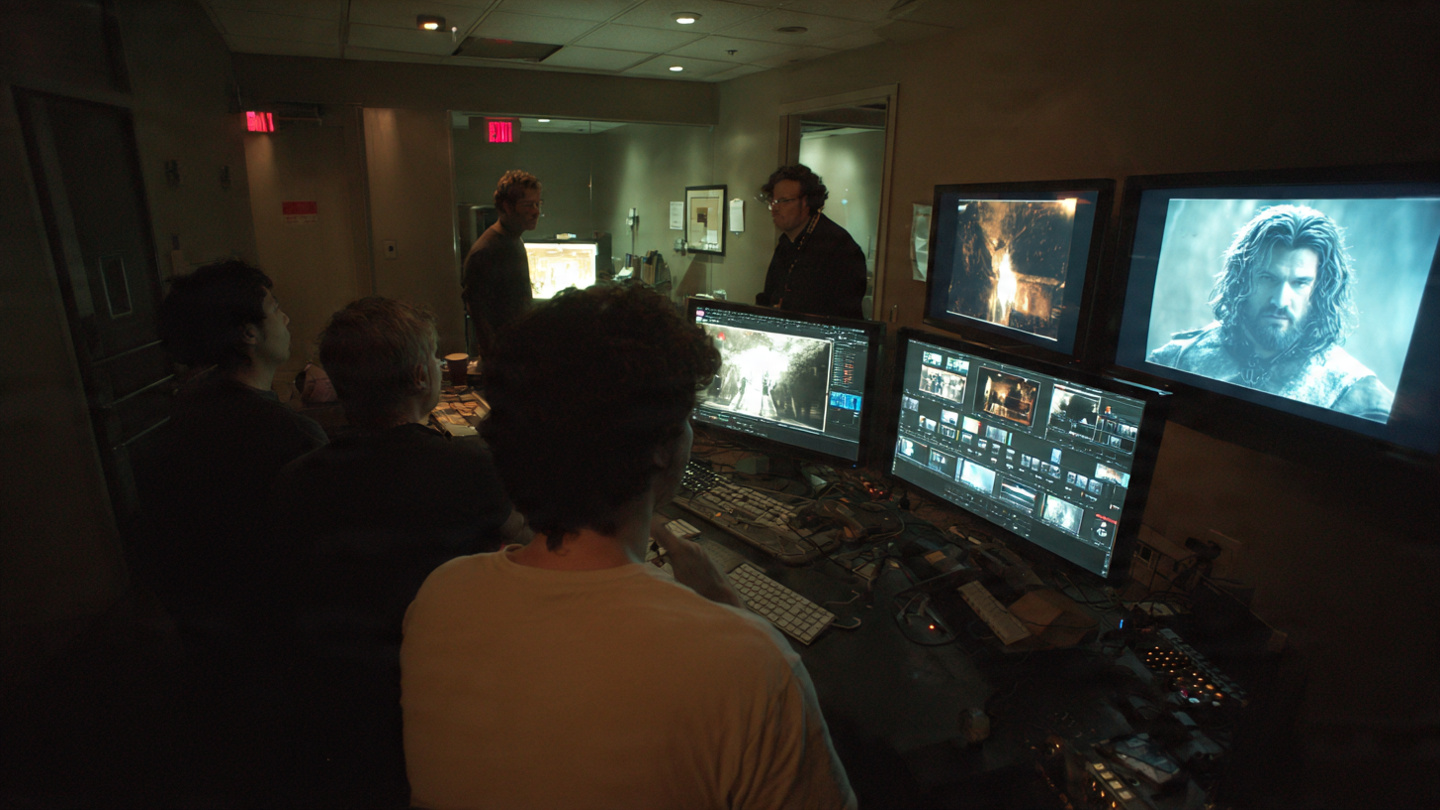
A film’s ending often feels inevitable. The final scene settles into memory as if it were always meant to be there. What many viewers never realize is that this version is often one of several possibilities that once existed.
People have begun to notice this through interviews and special features, where creators reveal endings that were filmed but never released. These alternate conclusions quietly shaped the story before disappearing from view.
An ending is not only where a story stops. It is where meaning crystallizes.
✨ AI Insight:
As editing tools and test screenings became routine, endings started to evolve through comparison, allowing stories to quietly choose the version that feels most natural to live with over time.
Why Films Create Multiple Endings
Productions often develop more than one ending to explore tone and direction. A story may be tested with hope, then with ambiguity, then with restraint.
Each version answers the same narrative question differently. One may comfort. Another may unsettle. A third may invite reflection.
Filmmakers do this not from uncertainty, but from curiosity. They want to understand how the story feels when it finally closes.
Test Audiences as a Mirror
Many alternate endings emerge from preview screenings. Viewers reveal where emotion lands and where it feels forced.
An ending that feels powerful in isolation may feel heavy after a full runtime. Another may seem understated until it follows the story’s arc.
Reactions become guidance. Filmmakers listen for rhythm rather than applause, choosing what best aligns with the journey.
The audience never sees these versions, yet their response helps shape what remains.

Tone That Changes Everything
Endings determine how a story is remembered. A single scene can shift a film from hopeful to tragic, from resolved to open-ended.
An alternate ending may explain too much, closing doors the story benefits from leaving ajar. Another may feel abrupt, denying emotional release.
Even strong scenes can misalign with the film’s voice. Removal restores balance without drawing attention.
The chosen ending often feels quiet because it fits.
Characters Who Almost Walked Away
Some alternate endings change a character’s fate. A hero survives in one version and falls in another. A relationship heals in one cut and dissolves in another.
These differences ripple backward through the story. They change how earlier scenes are read and how choices feel weighted.
By selecting one path, filmmakers define the moral shape of the narrative.
The unused versions remain echoes of roads not taken.
When Clarity Becomes Too Final
Sometimes an ending explains what the story benefits from leaving unresolved. A voiceover clarifies motivation. A final scene answers lingering questions.
These versions can feel complete, yet diminish mystery. The audience is no longer invited to reflect.
Editors often remove certainty to preserve resonance. What remains unsaid becomes part of the experience.
An ending gains power when it trusts the viewer.
Practical Limits and Creative Choice
Not all alternate endings disappear for emotional reasons alone. Some prove difficult to complete. Effects may fall short. Locations become unavailable.
Rather than compromise the illusion, filmmakers choose absence. Technology offers options, but it also sets boundaries.
The story adapts quietly. Viewers sense cohesion without knowing what was lost.
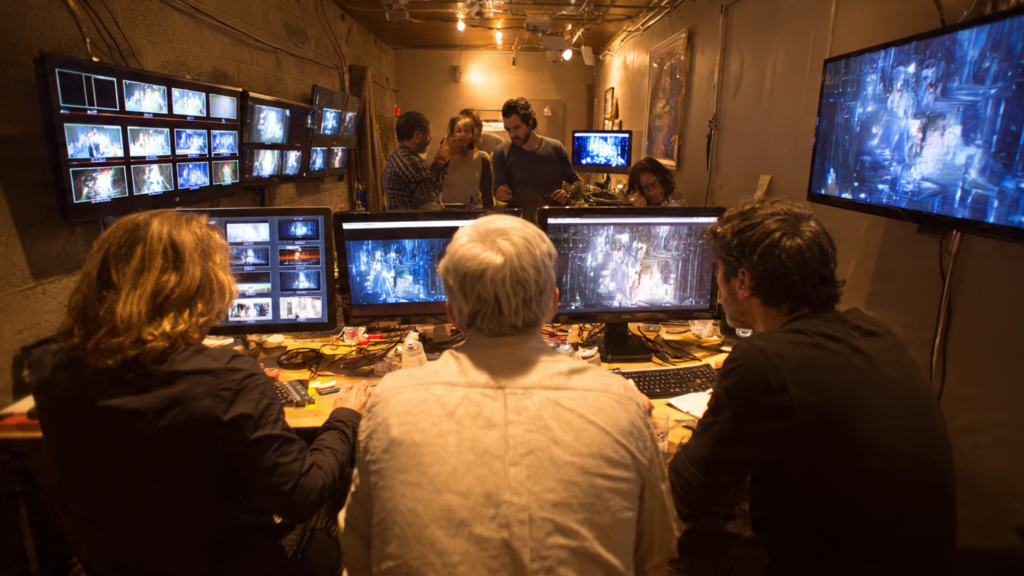
Practical limits become creative direction.
Alternate Endings as Hidden History
Many unused endings resurface later. Fans encounter them on discs or online, exploring parallel versions of familiar stories.
These moments feel like glimpses into another timeline. They reveal how small changes alter meaning.
Viewers compare, not to replace, but to understand. The film becomes a set of decisions rather than a fixed object.
Every ending carries a history.
Why These Endings Matter
Alternate endings reveal how stories are refined through listening and restraint. They show that closure is chosen, not discovered.
What feels final is often the result of comparison. The chosen version survives because it settles most naturally into the story’s rhythm.
Understanding this deepens appreciation. A film’s last moment is not destiny. It is alignment.
The ending feels right because others were allowed to fade.
The Story That Might Have Been
Behind every familiar conclusion lives another version that once existed. It carried a different mood, a different promise, a different silence.
These endings still matter. They shaped what remains by offering contrast.
A film closes once on screen.
It closes many times in creation.
Only one becomes memory.