Iconic scenes often feel fixed in memory, as if they could only exist in the form audiences know. A glance, a line, a pause becomes inseparable from the story itself. What many viewers never realize is that these moments frequently exist in more than one version.
Behind every famous scene is a series of choices shaped by rehearsal, editing, and experimentation. Alternate takes, revised blocking, and different tones quietly compete before one becomes definitive.
The version remembered is not the only one that existed. It is simply the one that remained.
✨ AI Insight:
As filmmaking workflows have become more flexible, scenes now evolve through multiple complete versions, with the final choice quietly shaping how a moment lives in cultural memory.
Performance Variations That Change Meaning
Actors often deliver scenes in several emotional registers. A line may be spoken with restraint in one take and urgency in another. A reaction may linger or vanish.
Each version carries a different weight. One feels intimate. Another feels dramatic. Both are valid.
Directors and editors compare these options not for accuracy, but for resonance. The chosen take defines how the audience understands the moment.
An alternate version reveals how fragile meaning can be.
Blocking That Alters Focus
Where a character stands can change what a scene communicates. A step closer suggests intimacy. Distance implies hesitation. A turned back becomes withdrawal.
Sets are explored through movement. Cameras follow different paths. Actors test how space feels.
Alternate cuts show scenes unfolding from new angles. The story remains the same, yet emphasis shifts.
These variations demonstrate how physical choices become narrative language.
Dialogue That Was Once Different
Famous lines often replace earlier versions. A sentence is shortened. A phrase is removed. Silence replaces explanation.
Alternate scenes reveal dialogue that once existed, offering clarity the film later declined. The story becomes more direct, then retreats into implication.
What feels inevitable on screen is often the product of subtraction.
The audience experiences simplicity. The process holds complexity.
Tone Experiments Behind the Camera
Scenes are frequently tested in multiple tones. Humor is explored, then reduced. Darkness is heightened, then softened.
Filmmakers watch how mood travels across the film. A moment that works alone may disrupt the arc.
Alternate versions show how close a scene came to being lighter or heavier. The final cut preserves balance.
Tone is not discovered. It is chosen.
Timing That Redefines Impact
A pause can transform a scene. Holding silence for one second longer invites reflection. Cutting sooner creates momentum.
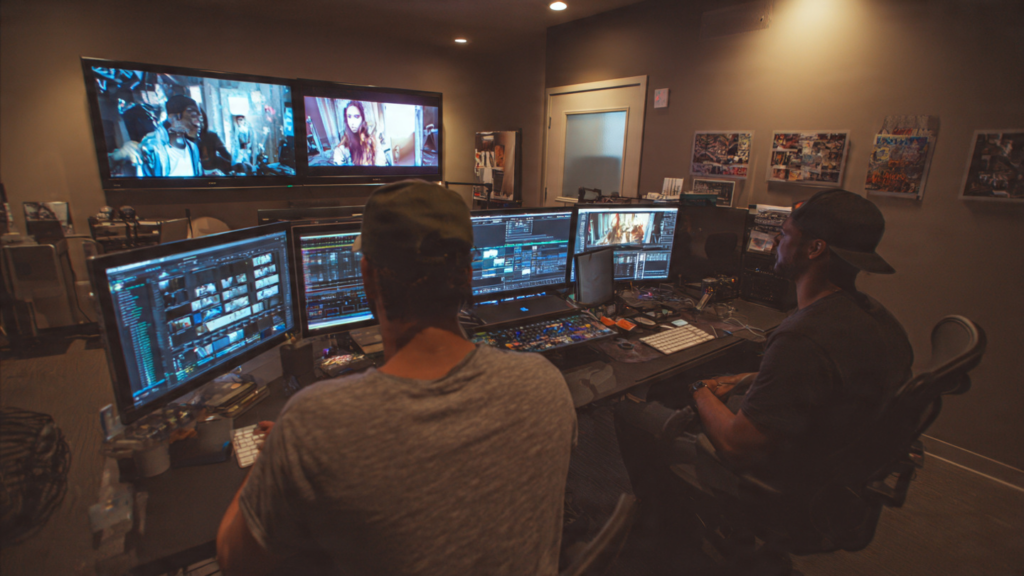
Editors shape rhythm frame by frame. Multiple cuts exist with subtle differences.
Alternate versions reveal how timing directs emotion. The story does not change, yet the feeling does.
These variations show how small adjustments create memory.
Technology as a Tool for Exploration
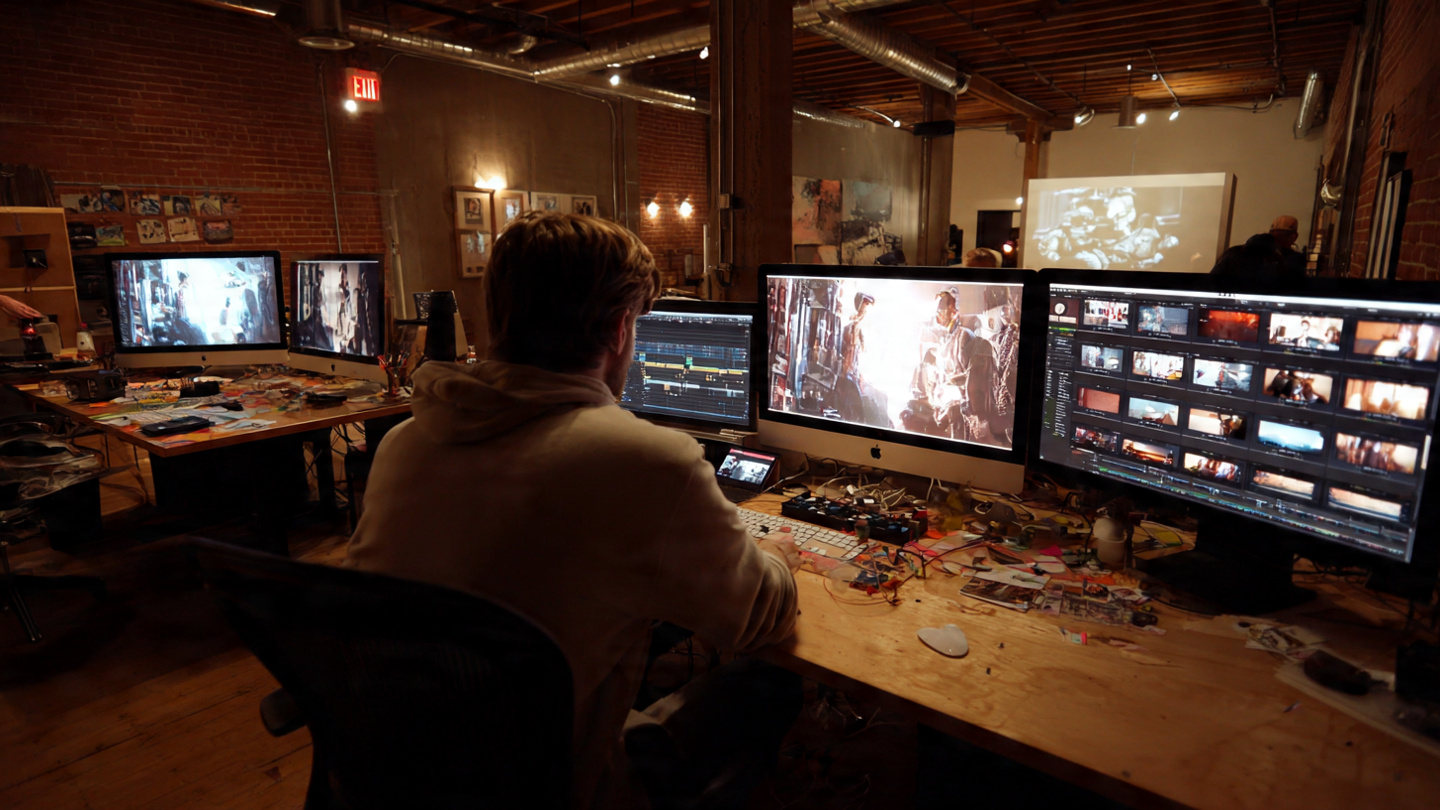
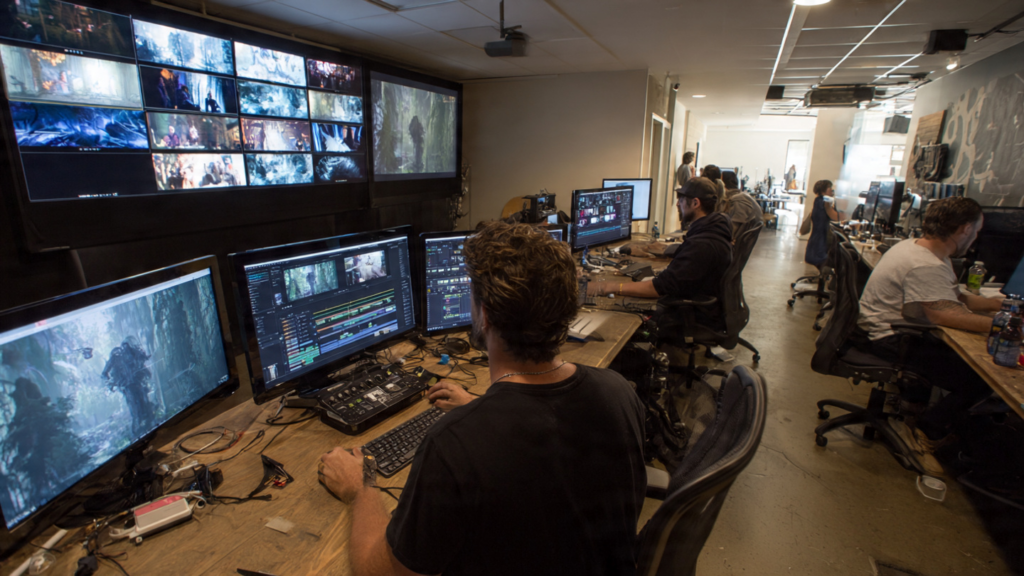
Modern editing systems allow filmmakers to preserve many complete versions. Scenes can be tested without being destroyed.
This flexibility encourages exploration. A scene can exist in parallel forms until one settles into place.
Technology does not decide. It enables comparison.
The final scene feels natural because others were allowed to exist first.
Why These Versions Matter
Alternate scenes reveal that famous moments are not accidents. They are selections from many possibilities.
Understanding this changes how iconic images are perceived. They are not singular inspirations. They are refined outcomes.
What feels permanent is often the result of quiet experimentation.
Every remembered scene carries invisible history.
The Scene Beneath the Scene
Behind every famous moment lives another version that once felt just as real. It carried a different pause, a different tone, a different breath.
These scenes remain unseen, yet they shaped what endures.
A film is not built from certainty.
It is built from comparison.
Only one version becomes memory.