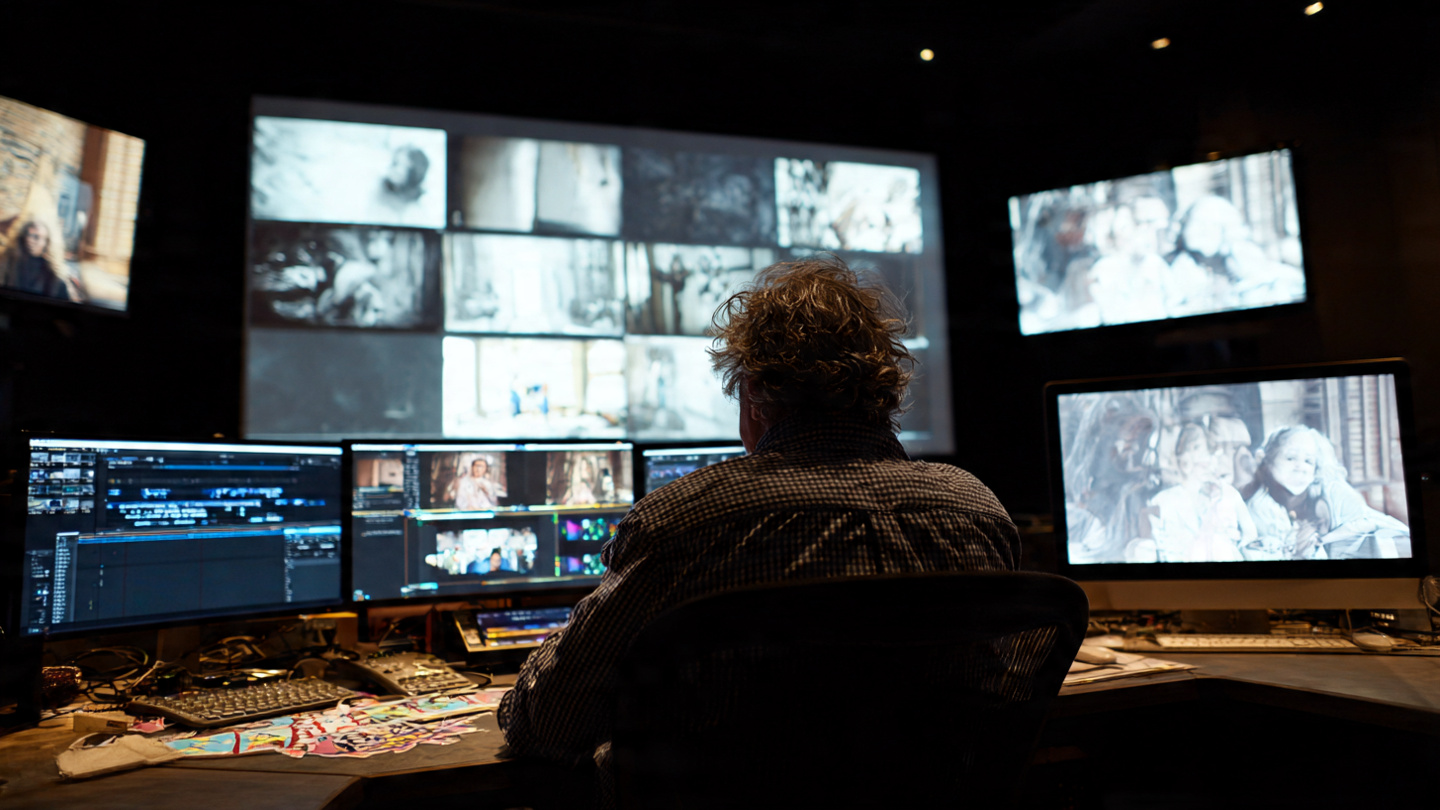
An ending often feels like the most permanent part of a film. It settles into memory, defining how the entire story is remembered. What many viewers never see is how fluid that final moment can be, even after everything else appears finished.
People sometimes discover this through interviews or special features, learning that another conclusion once existed. The change is rarely dramatic on the surface, yet it quietly reshapes what the story means when it finally closes.
An ending is not only where a film stops. It is where intention becomes memory.
✨ AI Insight:
As editing and review processes have become more flexible, endings increasingly evolve through comparison, allowing stories to settle on the version that feels most natural to live with over time.
When the Final Note Feels Too Loud
Some endings are changed because they speak too strongly. A final line may explain too much. A closing scene may insist on meaning rather than suggest it.

These versions often work in isolation, yet feel heavy after a full runtime. The story seems to push emotion instead of allowing it to emerge.
By softening or removing these moments, filmmakers let the film end in a way that feels earned rather than declared.
Pacing That Becomes Clear Only at the End
The rhythm of a film is difficult to judge until every scene is in place. An ending that once felt perfect may suddenly linger too long or arrive too abruptly.
Editors watch how the entire journey resolves. A pause may feel extended. A resolution may feel rushed. The imbalance becomes visible only in context.
Changing the ending restores flow. The audience experiences a natural close without sensing the adjustment beneath it.
Tone That No Longer Matches the Story
A film develops a voice over time. An ending written early may no longer match that voice once the story matures.
A hopeful close may feel false after a restrained narrative. A dark conclusion may feel abrupt after warmth has grown.
When this mismatch appears, the ending changes. The goal is coherence, not surprise. The final moment must speak the same language as everything before it.
Characters Who Almost Chose Differently
Alternate endings often change what happens to a character. Someone leaves instead of staying. A relationship heals instead of fading. A future is shown instead of implied.
These choices ripple backward. They change how earlier scenes are read and how risks feel weighted.
By selecting one path, filmmakers define the moral shape of the story. The unused version remains an echo of a different truth.
When Clarity Becomes Too Final
Some endings explain what the story benefits from leaving open. A voiceover clarifies meaning. A final scene answers lingering questions.
These versions feel complete, yet reduce resonance. The audience no longer carries the story forward.
Editors often remove certainty to preserve reflection. An ending gains power when it trusts viewers to finish the thought themselves.
Practical Limits That Influence Choice
Not all changes are emotional. Some endings prove difficult to complete. Effects fall short. Locations become unavailable. Performances cannot be matched.
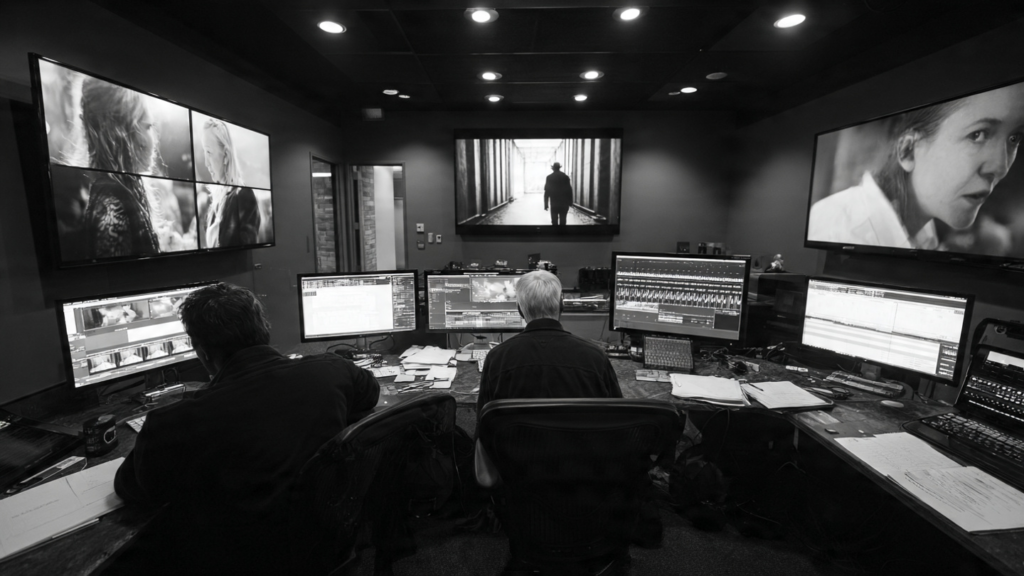
Rather than weaken the illusion, filmmakers choose a different close. Technology offers options, but it also sets boundaries.
The story adapts quietly. Viewers feel cohesion without knowing what was left behind.
Test Screenings as a Measure of Feeling
Preview audiences reveal how an ending lands. Silence, restlessness, or confusion become signals.
A conclusion that feels right in the edit room may feel distant in a theater. Another may feel gentle until it follows the full arc.
These responses guide refinement. Filmmakers listen for emotional truth rather than applause, choosing what aligns with the journey.
Why These Changes Matter
Ending changes reveal how stories remain alive until the final moment. A film is not finished when shooting ends or when editing begins.
It is finished when it feels whole.
These adjustments show that wholeness is sensed, not calculated. It emerges through repetition, comparison, and quiet release.
What remains feels inevitable because alternatives were allowed to fade.
The Ending That Almost Was
Behind every familiar conclusion lives another version that once existed. It carried a different silence, a different promise, a different weight.
These endings still matter. They shaped what remains by offering contrast.
A film closes once on screen.
It closes many times in creation.
Only one becomes memory.