
Modern films and series are built for repeat viewing in ways earlier media rarely were. Streaming, rewatches, and shared clips have changed how people experience stories, turning familiar scenes into places worth revisiting. Over time, viewers begin to notice that some details seem designed to wait.
These small, hidden elements do not interrupt the narrative or demand attention. They exist quietly inside the frame, blending into the world of the story. Their discovery feels personal, as if the film is responding only to those who linger.
Easter eggs are not about puzzles. They are about presence.
✨ AI Insight:
As rewatching has become part of everyday viewing habits, hidden details now feel less like secrets and more like quiet rewards for attention that develops naturally over time.
Details That Disappear on Purpose
The most effective Easter eggs do not stand out. They appear as background objects, brief visual echoes, or passing lines of dialogue that seem ordinary in the moment.
A book on a shelf references another story. A street sign carries a familiar name. A melody returns in a new setting without announcement.
These details work because they behave like real-world texture. They feel like part of the environment rather than signals to be decoded.
Callbacks That Feel Like Memory
Some Easter eggs function as emotional callbacks rather than clever references. A gesture mirrors an earlier scene. A phrase returns with a slightly altered meaning.
These moments do not announce themselves as references. They feel like memory surfacing within the story itself, creating continuity without explanation.
The audience experiences recognition rather than discovery. The story seems to remember itself, and that feeling carries weight.
Visual Echoes Across Stories
Directors often repeat composition in subtle ways. A character stands in a familiar position. A camera angle mirrors an earlier moment from another film.
These echoes are invisible unless compared, yet they create resonance. A scene feels meaningful before its origin is even recognized.
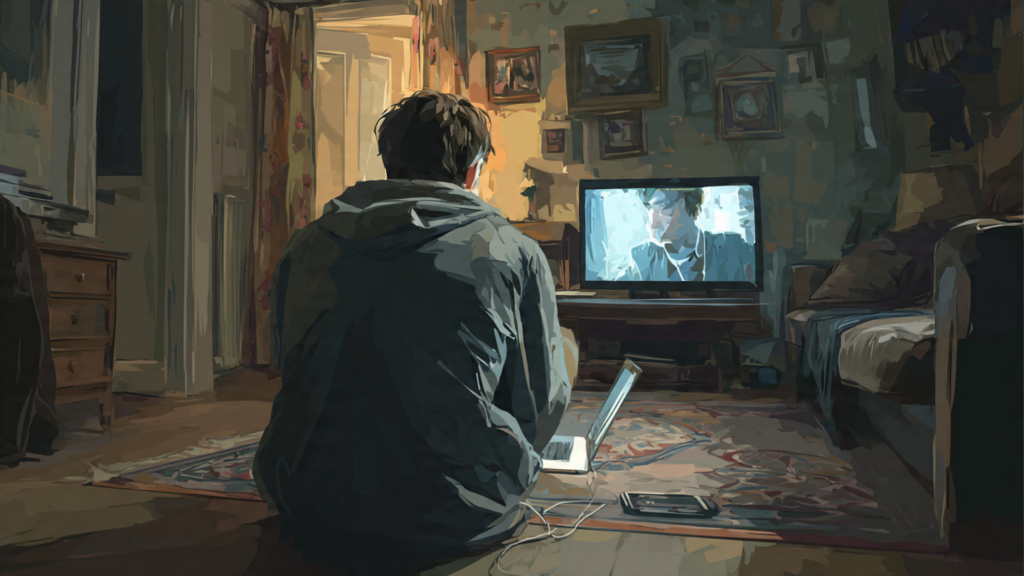
When noticed later, the moment feels intentional rather than coincidental. The story appears to speak across time.
Background Figures Who Return
Occasionally, a minor character appears across multiple projects. They pass through scenes without emphasis, remaining part of the world rather than the plot.
A shopkeeper reappears in another city. A bystander crosses stories. The connection is never explained.
These appearances suggest a shared environment rather than a constructed universe. Fans miss them because they look ordinary, and ordinary is their disguise.
Objects That Carry History
Props sometimes return in new contexts. A watch, a poster, or a piece of furniture reappears, carrying invisible history.
These objects act like artifacts. They imply that events happened beyond the frame and continue beyond it.
Their presence does not change the story. It deepens atmosphere, making the world feel lived in rather than staged.
Lines That Gain Meaning Later
Some Easter eggs exist entirely in dialogue. A casual remark references a future event. A phrase echoes something spoken in another story.
On first viewing, it feels incidental. Later, it becomes layered.
The line gains history. It rewards those who return without distracting those who do not.
Why These Details Endure
Hidden details endure because they respect attention rather than demand it. They do not pause the story or signal importance.
They wait. Discovery happens naturally, often long after release.
In a culture of constant prompts, this restraint feels generous. The reward is not surprise, but belonging.
The Pleasure of Noticing
Finding an Easter egg feels personal. It feels earned rather than delivered.
The viewer becomes participant rather than observer. The story expands slightly.
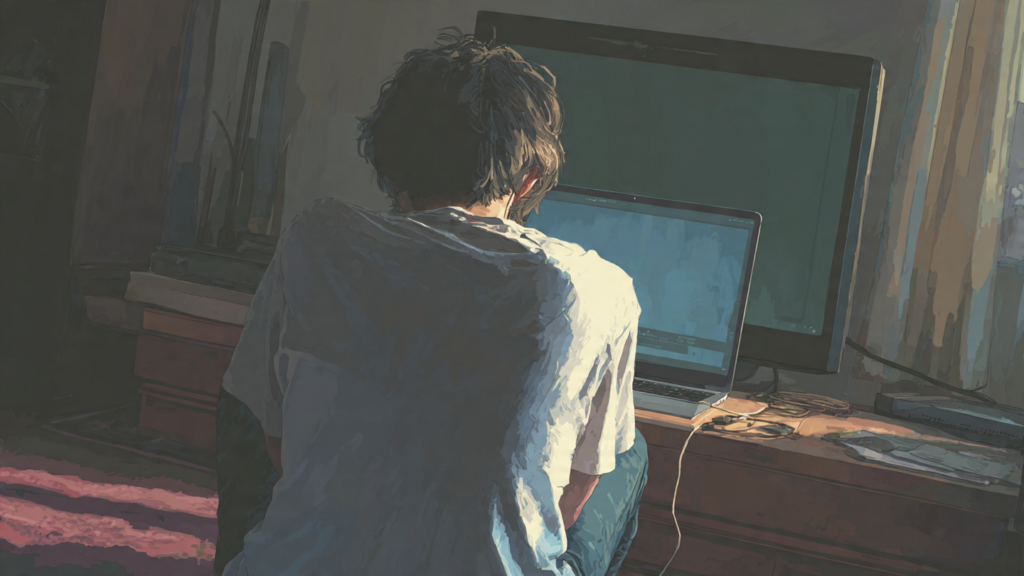
This changes how people watch. They linger. They look twice. The screen becomes a place of quiet possibility.
What These Moments Reveal
Hidden details reveal how creators think about time. They imagine stories being lived with, not consumed once.
Worlds are built to anticipate return. Audiences are trusted to notice eventually.
This patience changes tone. The work feels built for memory rather than immediacy.
The Story Beneath the Story
Every Easter egg carries a second narrative. It exists without insisting on recognition.
Most viewers will never see it. Some will find it years later.
Both experiences are complete. The story functions either way, and that is what makes these details powerful.
They do not compete for attention. They wait for it.