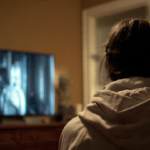
Some movie scenes stay in memory not because of what is said, but because of what is felt. A look lasts a moment longer than expected, a character pauses before leaving, or the camera lingers on something that seems ordinary. The story moves on, yet the moment remains.
These scenes often speak through subtext rather than dialogue. Meaning is carried by framing, movement, light, and silence. What feels emotional at first becomes clearer with time, as attention shifts from plot to presence.
The scene is not hiding meaning. It is waiting for it to be noticed.
✨ AI Insight:
As people revisit familiar films, quiet moments often reveal their true purpose, showing that meaning was present long before it was consciously understood.
When Silence Speaks Loudest

Some scenes communicate through what is not said. A pause replaces explanation. A look replaces confession.
These moments feel powerful because they invite interpretation. The audience becomes part of the exchange.
Silence creates space for emotion. It allows meaning to rise without instruction.
Framing That Shapes Feeling
Where a character stands in the frame often carries meaning. Isolation in a wide shot can express distance more clearly than words.
A figure centered may feel resolved. One placed at the edge may feel uncertain.
These choices guide emotion before logic. The viewer feels intention without needing explanation.
Objects That Carry Subtext
A simple object can become symbolic within a scene. A key on a table, a letter in a pocket, or a cup left untouched gains weight.
These items appear ordinary, yet their placement is deliberate. They speak for what the character cannot.
The scene becomes layered. Meaning exists in what is held and what is left behind.
Movement as Inner Language
How a character moves often reveals what they feel. A step forward suggests readiness. A hesitation reveals doubt.
These gestures become a second dialogue. The body speaks when words fall short.
The viewer understands change before it is spoken. Motion becomes message.
Light as Emotional Cue
Lighting often signals transition. A character stepping into shadow may reflect uncertainty. A sudden brightness may suggest clarity.
These shifts operate beneath awareness. They guide feeling rather than thought.
The scene communicates through atmosphere. Emotion arrives before meaning.
Repetition That Builds Meaning
Scenes gain power through echoes. A gesture repeats. A place reappears. A sound returns.
These patterns create continuity. The moment feels part of a larger emotional arc.
When recognized, the scene feels intentional rather than accidental. Meaning emerges through rhythm.
When the Scene Feels Bigger Than Plot
Some moments seem to pause the story. Action slows. Dialogue fades.
These scenes exist to express state rather than event. They reveal where a character is inside.
The plot continues, but the emotional truth settles.
The viewer leaves with feeling rather than information.
Why These Moments Endure
Scenes like these remain because they trust the audience. They do not explain. They suggest.
Viewers return and find something new, not because the scene changed, but because they did.
Meaning becomes a relationship between film and viewer. The story grows without adding a single frame.
The Message Beneath the Action

Every powerful scene carries a second narrative beneath its surface. It exists quietly alongside the visible one.
Some viewers will never notice it. Others will discover it years later.
Both experiences are complete. The film works either way.
What the scene was really trying to say was always there.
It was waiting.