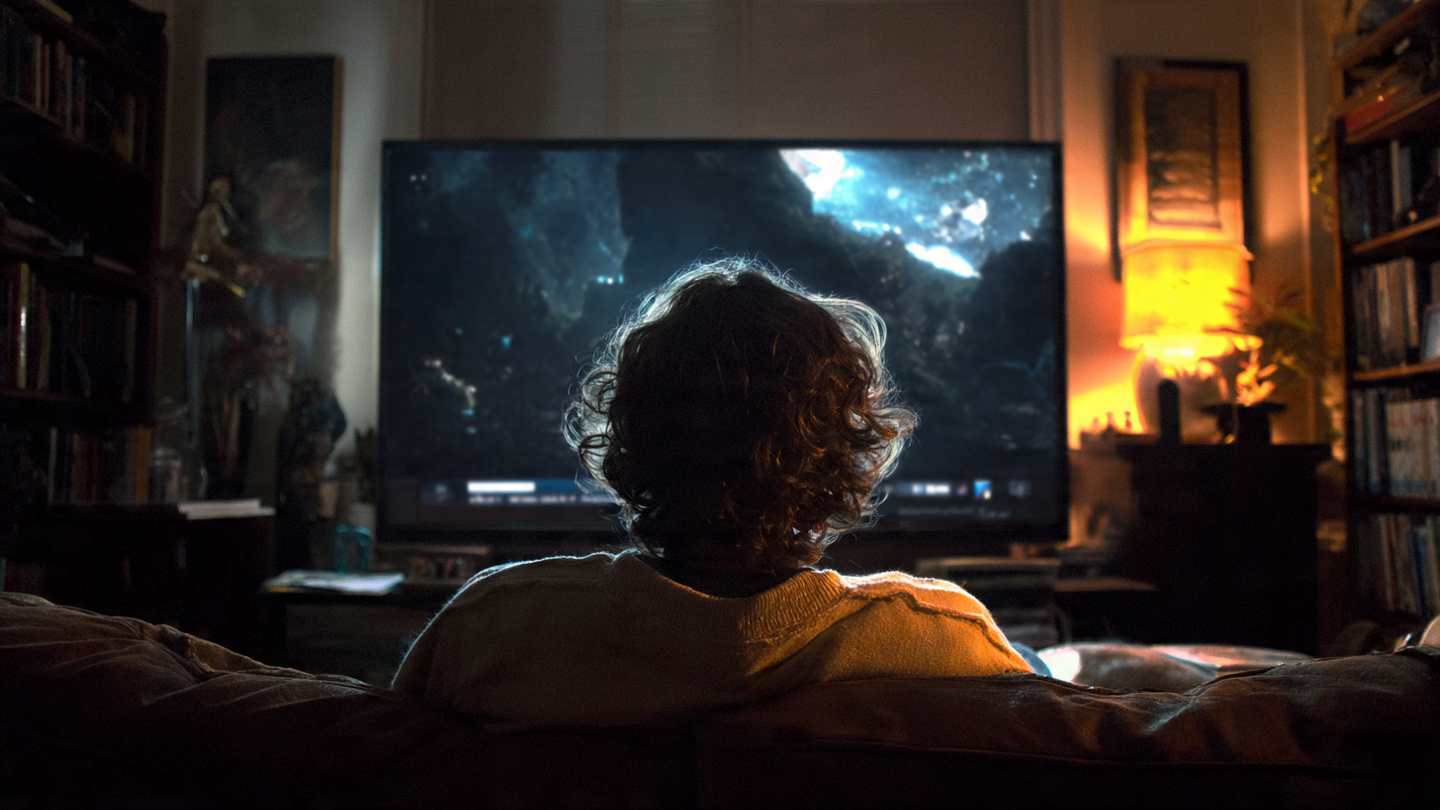
Some scenes stay with people long after the screen fades to black. They may be quiet, brief, or visually simple, yet they carry an emotional weight that feels larger than the moment itself. Viewers often struggle to explain why they feel so affected.
These scenes work beneath language. They rely on timing, framing, silence, and presence rather than dialogue alone. What feels powerful at first becomes meaningful later, as attention shifts from what happens to how it feels.
The power is not accidental. It is carefully shaped.
✨ AI Insight:
As people revisit familiar films, scenes that once felt emotional often reveal how carefully timing and restraint were used to let feeling arrive naturally.
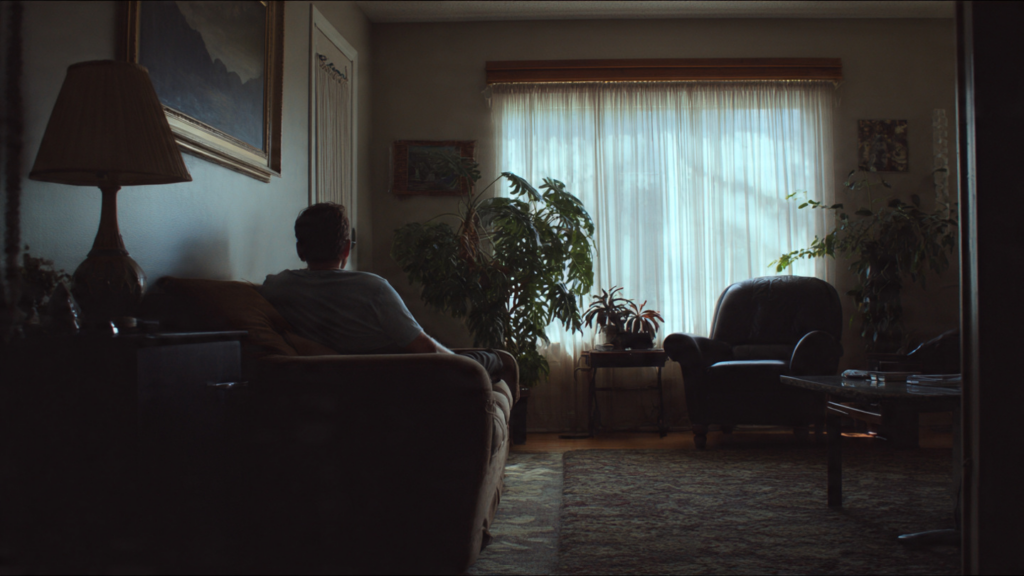
When Silence Takes Control
Powerful scenes often speak through absence. A pause replaces explanation. A look stands in for a confession.
Silence creates space for emotion. It allows the viewer to feel rather than be told.
The moment becomes personal because nothing interrupts it. The audience enters the scene rather than observing it.
Framing That Creates Intimacy
Where a character appears in the frame shapes how the moment is felt. A close-up invites connection. A wide shot creates distance.
A figure placed alone within space suggests vulnerability. A centered subject implies certainty.
These choices guide emotion before thought. The viewer feels meaning before understanding it.
Movement That Feels Human
Small gestures often carry more weight than large actions. A hand hesitates. A step stops. A breath changes.
These movements feel real because they mirror everyday experience. They reflect inner states without explanation.
The audience recognizes themselves in these moments. The scene becomes shared rather than watched.
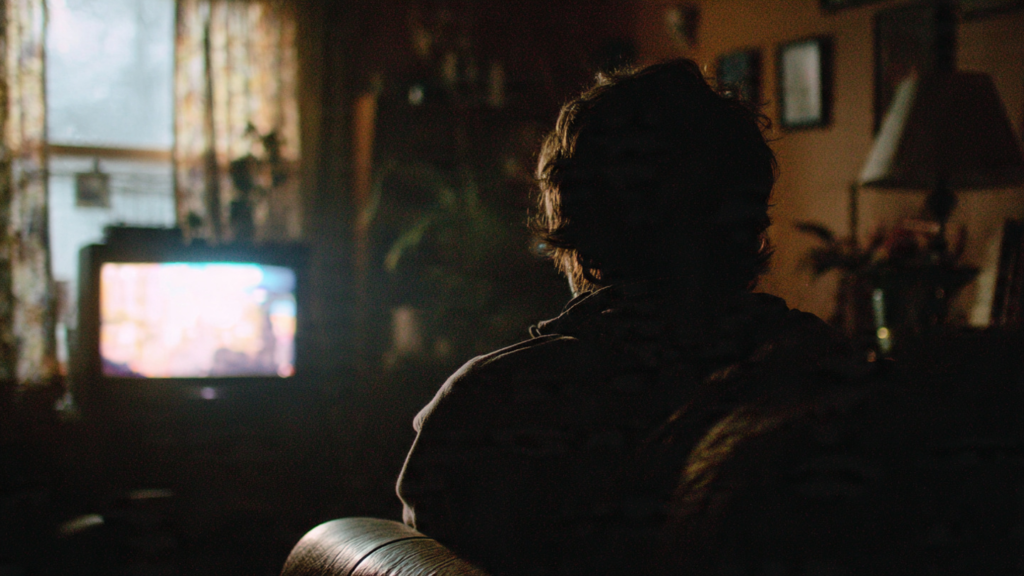
Light That Shapes Mood
Lighting often defines emotional tone. Soft light suggests calm. Shadow suggests conflict or doubt.
A character stepping into brightness can signal release. Moving into darkness can suggest retreat.
These shifts are rarely noticed consciously. They work on feeling before logic, guiding interpretation quietly.
Repetition That Builds Meaning
Powerful scenes often echo earlier moments. A gesture returns. A place reappears. A sound repeats.
These patterns create emotional memory. The scene feels inevitable rather than sudden.
Meaning grows through rhythm. The story seems to remember itself.
Restraint Instead of Emphasis
Strong scenes rarely announce their importance. They do not rely on music swelling or dialogue explaining.
They trust stillness. They allow emotion to rise naturally.
This restraint gives the moment dignity. It feels real rather than performed.
When Time Slows
Many powerful scenes alter pacing. Action pauses. The camera lingers.
Time feels suspended. The viewer becomes aware of presence rather than plot.
This shift allows feeling to settle. The scene becomes a space rather than an event.
Why These Moments Endure
Scenes like these remain because they invite participation. They do not instruct. They suggest.
Viewers return and find something new, not because the scene changed, but because they did.
Meaning becomes a relationship between film and audience. The power grows without adding a single frame.
The Feeling That Remains
After the scene ends, something lingers. It is not always a thought. Often it is a mood.
The viewer carries it forward. The story continues internally.
That is why the scene feels powerful. It does not end.
It stays.