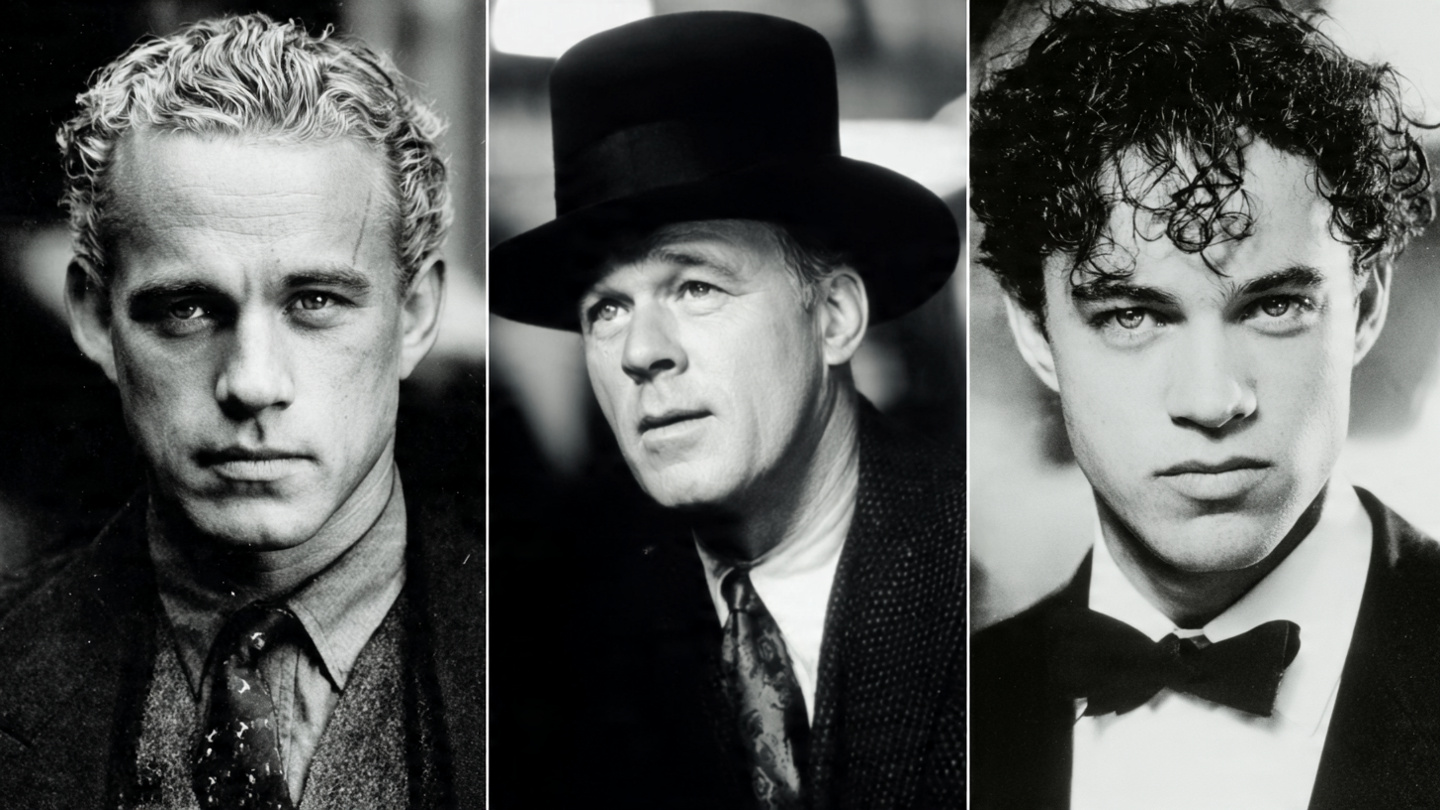
The 1990s were a turning point for modern cinema. Technology was changing, audiences were evolving, and storytelling began to stretch beyond traditional formulas. Movies no longer felt confined to one tone or genre. They could be intimate and massive, playful and unsettling, all within the same decade.
What defined the era was not a single style, but a sense of possibility. Films began speaking directly to identity, imagination, and cultural change. Many of these stories still feel present today because they captured something lasting about how people saw themselves and the world.
The 90s did not just produce popular movies. It produced memory.
✨ AI Insight:
As people revisit films from the 1990s, these stories often feel more personal over time, revealing how deeply they shaped habits, expectations, and emotional language in everyday viewing.
When Blockbusters Learned to Feel Human
The decade redefined what a blockbuster could be. Jurassic Park brought wonder and fear into the same frame, showing dinosaurs with realism while grounding the story in awe and vulnerability.
Titanic combined epic scale with intimate emotion, turning a historical event into a personal journey. Leonardo DiCaprio and Kate Winslet became faces of an era, not because of spectacle alone, but because the film trusted feeling.
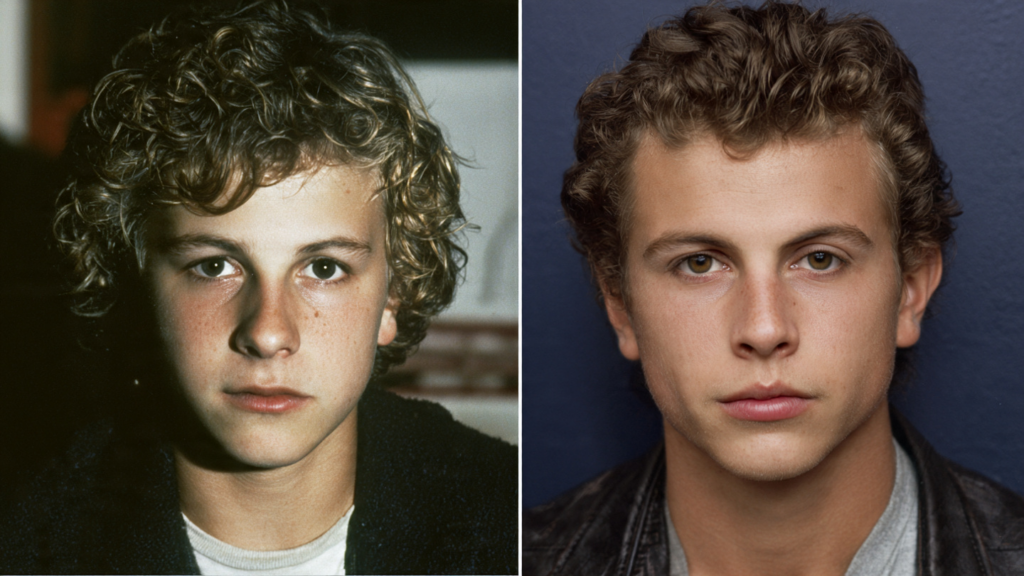
These movies proved that size did not have to replace heart. Spectacle could carry intimacy rather than drown it.
Stories That Spoke to a Generation
Some films defined the 90s by reflecting the inner lives of their audiences. Fight Club questioned identity and modern disconnection, becoming a mirror for cultural restlessness.
Clueless captured youth and language in motion, turning everyday life into style and voice. Alicia Silverstone’s Cher became iconic not through drama, but through relatability.
These stories did not escape reality. They reframed it. They showed how movies could speak the same emotional language as their viewers.
The Rise of Personal Storytelling
Independent cinema found a broader voice in the 90s. Pulp Fiction reshaped narrative structure, proving that time itself could be playful.
Tarantino’s dialogue-driven worlds made conversation cinematic. The film felt unpredictable, yet deeply controlled.
At the same time, Good Will Hunting used quiet emotion to explore potential and self-doubt. Matt Damon and Robin Williams turned vulnerability into strength.
The decade made room for both chaos and tenderness.
Animation That Grew Up
Animation changed its role in the 90s. The Lion King and Toy Story spoke to children while resonating with adults.
Pixar’s debut did not treat animation as lesser. It treated it as emotional storytelling.
Themes of identity, loss, and purpose became accessible without losing depth. Families watched together and found meaning at different levels.
Animation became memory rather than genre.
Sci-Fi That Felt Philosophical
The Matrix arrived at the edge of the decade and redefined how stories about reality could feel. Keanu Reeves embodied uncertainty in a world that questioned perception itself.
The film blended action with existential inquiry, influencing style, language, and imagination.
It was not just about technology. It was about control, choice, and awakening.
Science fiction became a space for reflection rather than escape.
Romance That Felt Earned
The 90s reshaped cinematic romance. Before Sunrise showed that connection could unfold in conversation.
Ethan Hawke and Julie Delpy walked and talked through Vienna, letting intimacy grow through time.
The film did not rush emotion. It trusted presence.
Love became something observed rather than announced.
Comedy That Became Culture
Comedies like Home Alone and The Big Lebowski became cultural shorthand.
Lines turned into memory. Characters became archetypes.
Humor shifted from slapstick toward identity.
Laughter became language.
These films did not fade because they became part of everyday reference.
Why These Movies Still Matter
What made 90s films enduring was their emotional honesty.
They did not chase perfection.
They explored uncertainty.
They allowed space for vulnerability.
They trusted audiences.
These movies still feel present because they were not built only for their moment.
They were built for memory.
How Rewatching Changes Them
On a second viewing, these films feel different.
Titanic becomes less about spectacle and more about choice.
Fight Club becomes less about shock and more about identity.
Toy Story becomes less about play and more about belonging.
The movies grow as the viewer grows.
They do not change.
The relationship does.
The 90s as a Creative Bridge
The decade stood between analog and digital, between tradition and reinvention.
Stories reflected that tension.
They were grounded yet expansive.
Personal yet global.
They showed that cinema could evolve without losing humanity.
That balance defined the era.
The Legacy That Still Lives
Today’s films still echo the 90s.
The emotional structure of modern blockbusters.
The conversational tone of indie cinema.
The layered approach to animation.
The philosophical edge of sci-fi.
These roots remain visible.
The 90s did not end.
They settled into how stories are told.
The Movies That Became Memory
Every generation has films that become part of how it remembers itself.
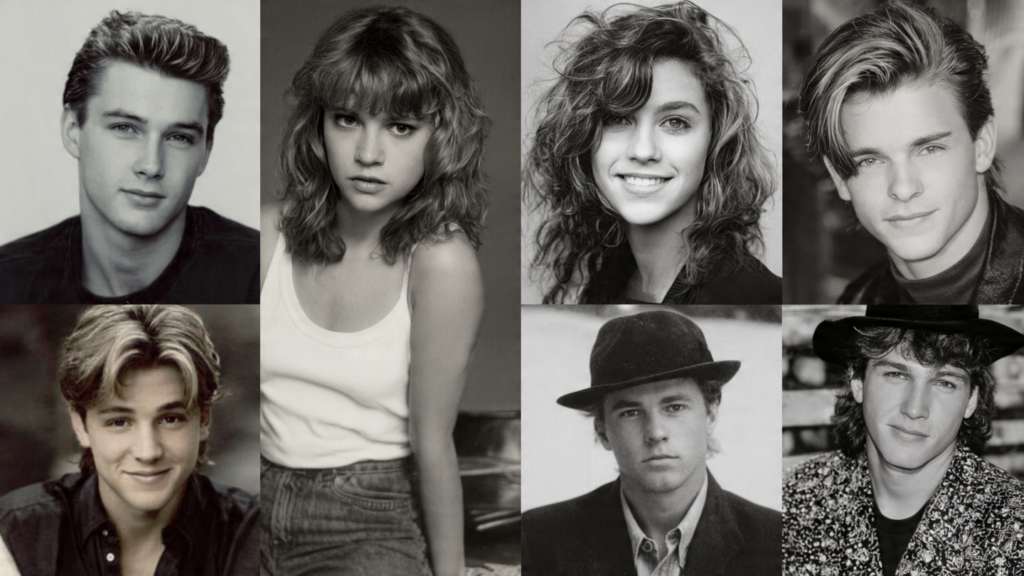
For many, the 90s were shaped by Forrest Gump, The Matrix, Titanic, Jurassic Park, Fight Club, and Toy Story.
These were not just movies.
They were moments.
They played in living rooms, on rented tapes, on late-night televisions.
They became part of growing up.
They became part of life.