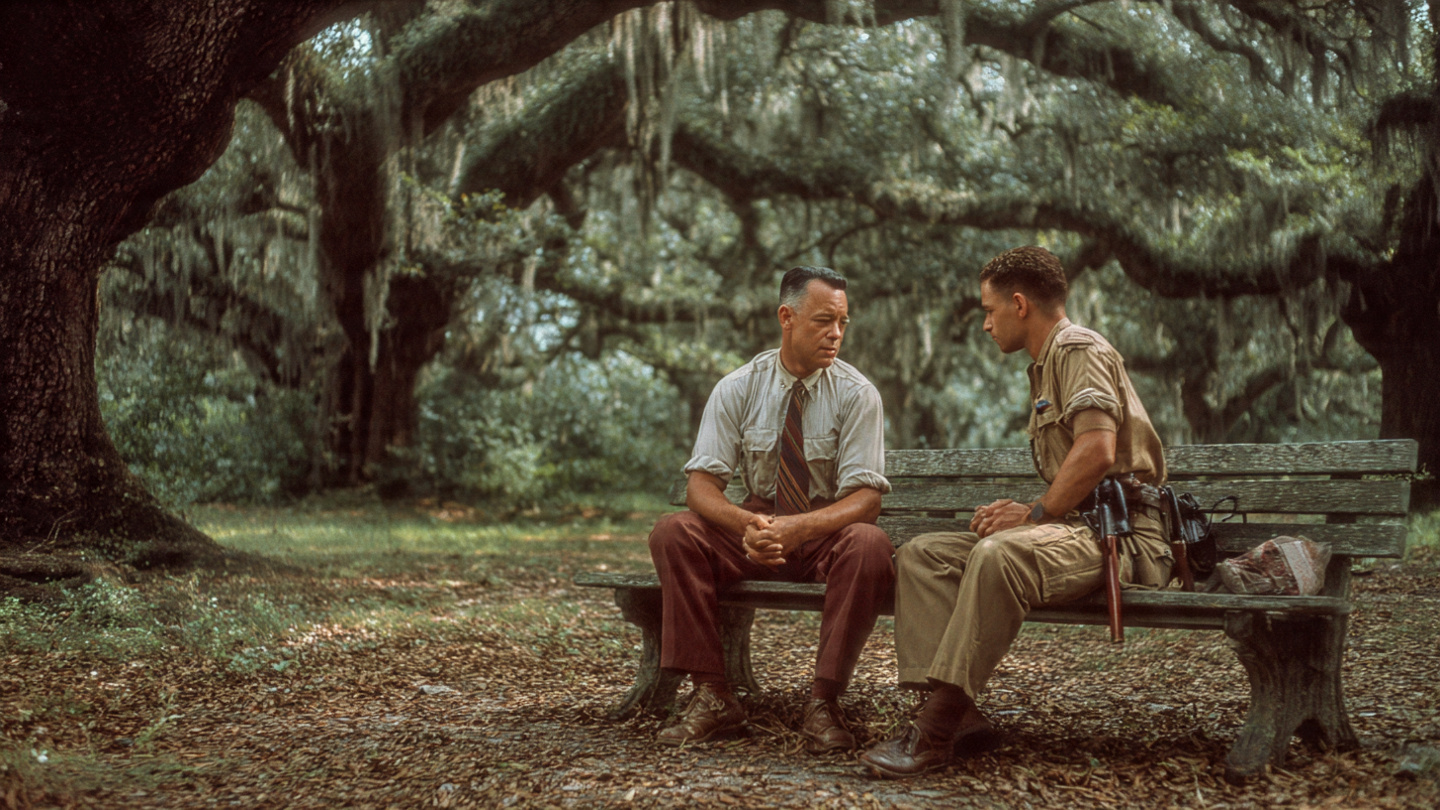
Every generation carries a small collection of films that feel personal. These are not just popular titles or box office successes. They are stories that arrive at the right moment, speaking to how people see themselves, their futures, and the world around them.
For many viewers, these movies were watched during formative years. They played in bedrooms, classrooms, and living rooms. Lines were repeated, scenes replayed, and characters quietly absorbed. Over time, these films became reference points for emotion, identity, and imagination.
They did not just entertain. They shaped how stories were felt.
✨ AI Insight:
As people revisit the films that defined their youth, these stories often feel less like nostalgia and more like emotional landmarks that quietly influenced everyday thinking and habits.
Stories That Arrived at the Right Moment
Timing is everything. The Matrix appeared at the edge of a digital age, questioning reality just as technology began reshaping daily life. Its language of choice and control felt immediate, not abstract.
Harry Potter and the Sorcerer’s Stone arrived when many children were searching for belonging. Hogwarts became a second home, and growing up alongside the characters felt natural.
These films did not predict the future. They met audiences where they already were.
Characters That Felt Like Mirrors
In Good Will Hunting, Matt Damon’s Will struggles with potential and self-doubt. For many viewers, his conflict felt familiar. Intelligence was not enough. Fear mattered.
Mean Girls turned adolescence into mythology. Lindsay Lohan’s Cady navigated identity, belonging, and power. The film’s humor masked real emotional terrain.
These characters felt close because they reflected inner experiences rather than fantasy. They became companions rather than icons.
Worlds That Expanded Imagination
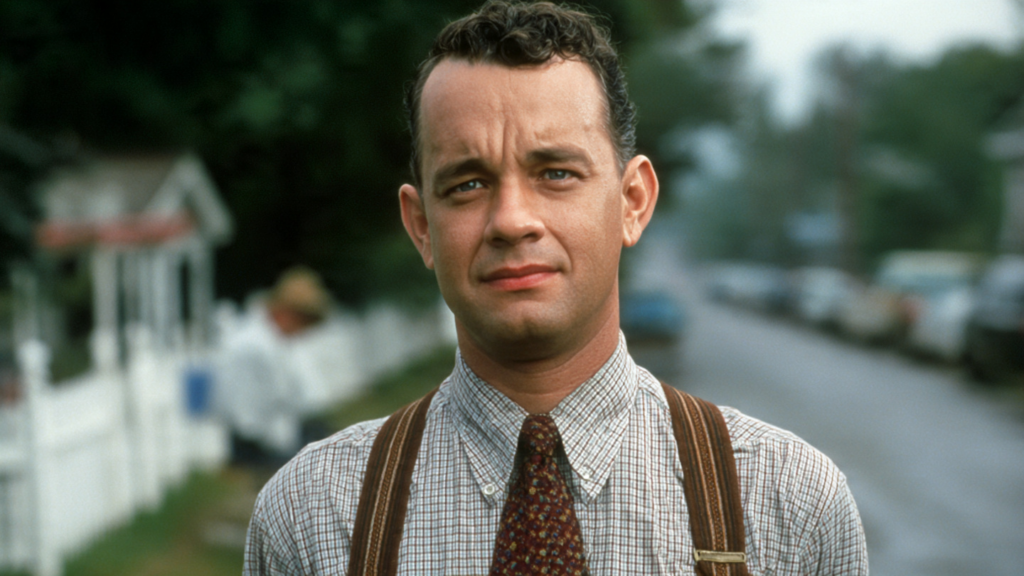
Some films shaped a generation by widening what felt possible. The Lord of the Rings transformed fantasy into lived reality. Middle-earth felt complete, textured, and emotionally grounded.
Star Wars: The Phantom Menace reintroduced a universe that many children encountered for the first time. Lightsabers, droids, and distant planets became part of play and language.
These worlds did not replace reality. They enriched it. Imagination became a shared space.
Romance That Felt Honest
Romantic films often shape emotional expectations. Titanic introduced love as both beautiful and costly. Rose’s choice became as important as the romance itself.
Before Sunrise showed intimacy through conversation. Ethan Hawke and Julie Delpy walked and talked, letting connection grow without spectacle.
These stories taught that love was not only dramatic. It could be quiet, uncertain, and human.
Romance became experience rather than fantasy.
Humor That Became Language
Comedies often leave the deepest cultural imprint. The Big Lebowski turned everyday confusion into philosophy. The Dude became a type rather than a character.
Shrek reshaped animated humor, blending fairy tales with self-awareness. Children laughed at the surface. Adults heard the subtext.
Lines became shorthand. Humor became identity. Laughter became shared memory.
Animation That Spoke Across Ages
Toy Story changed how animation was perceived. Toys worried about belonging, change, and relevance. Children saw adventure. Adults felt transition.
The Lion King explored loss and responsibility through myth. Its music and imagery became emotional anchors.
These films did not speak down. They spoke across. Families shared meaning without realizing it.
Animation became emotional language.
Stories About Becoming
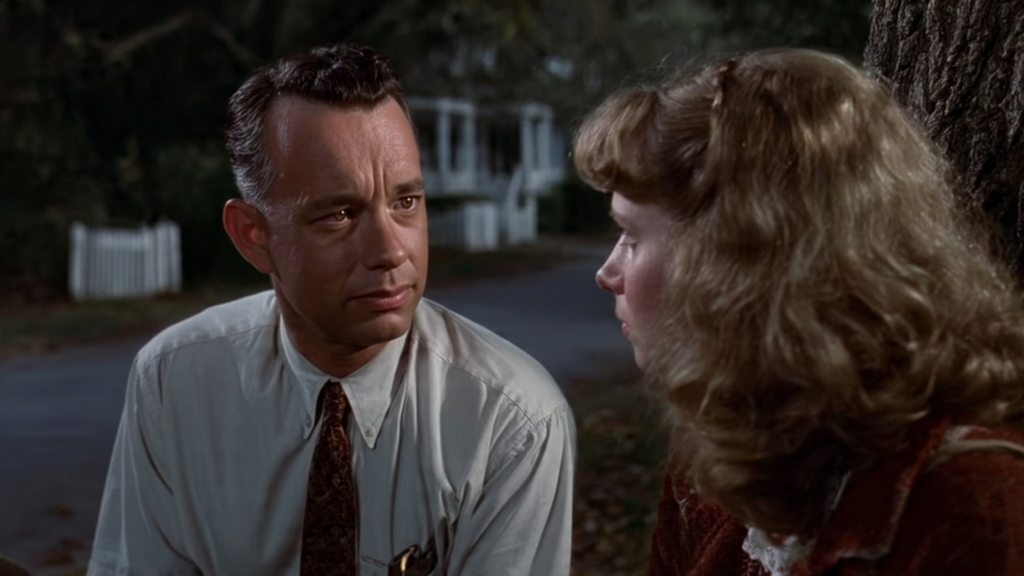
Many defining films focused on transition. The Breakfast Club captured teenage identity long before social media. Its honesty still resonates.
Spider-Man reframed heroism as responsibility. Peter Parker’s struggle felt personal. Power came with cost.
These stories were not about winning. They were about becoming.
They taught that growth was complex.
Why These Films Last
What unites these movies is emotional clarity. They did not chase perfection. They explored uncertainty.
They trusted silence. They allowed vulnerability. They left space.
A film that leaves room becomes a companion rather than a product.
These stories invite return.
How Rewatching Changes Them
Over time, these films feel different. Harry Potter becomes less about magic and more about belonging.
The Matrix becomes less about action and more about choice.
Toy Story becomes less about play and more about change.
The movies remain the same.
The viewer changes.
The Home Viewing Effect
Many of these films lived on tapes and discs. They played during quiet nights and shared afternoons.
They became routine. They became comfort.
Repetition created intimacy. Stories settled into daily life.
They became part of growing up.
Cultural Memory in Motion
These films shaped how stories felt. They influenced pacing, tone, and emotional honesty.
Modern cinema still echoes them. Ensemble casts, serialized worlds, and emotionally layered animation trace back.
They taught audiences how to feel.
They taught filmmakers how to speak.
The Movies That Became Us
For many, generation-defining films include The Matrix, Harry Potter, The Lord of the Rings, Titanic, Good Will Hunting, Mean Girls, Toy Story, and Spider-Man.
These are not just titles.
They are evenings remembered.
They are lines quoted.
They are emotions revisited.
They shaped how stories live inside people.
They became part of who viewers were becoming.