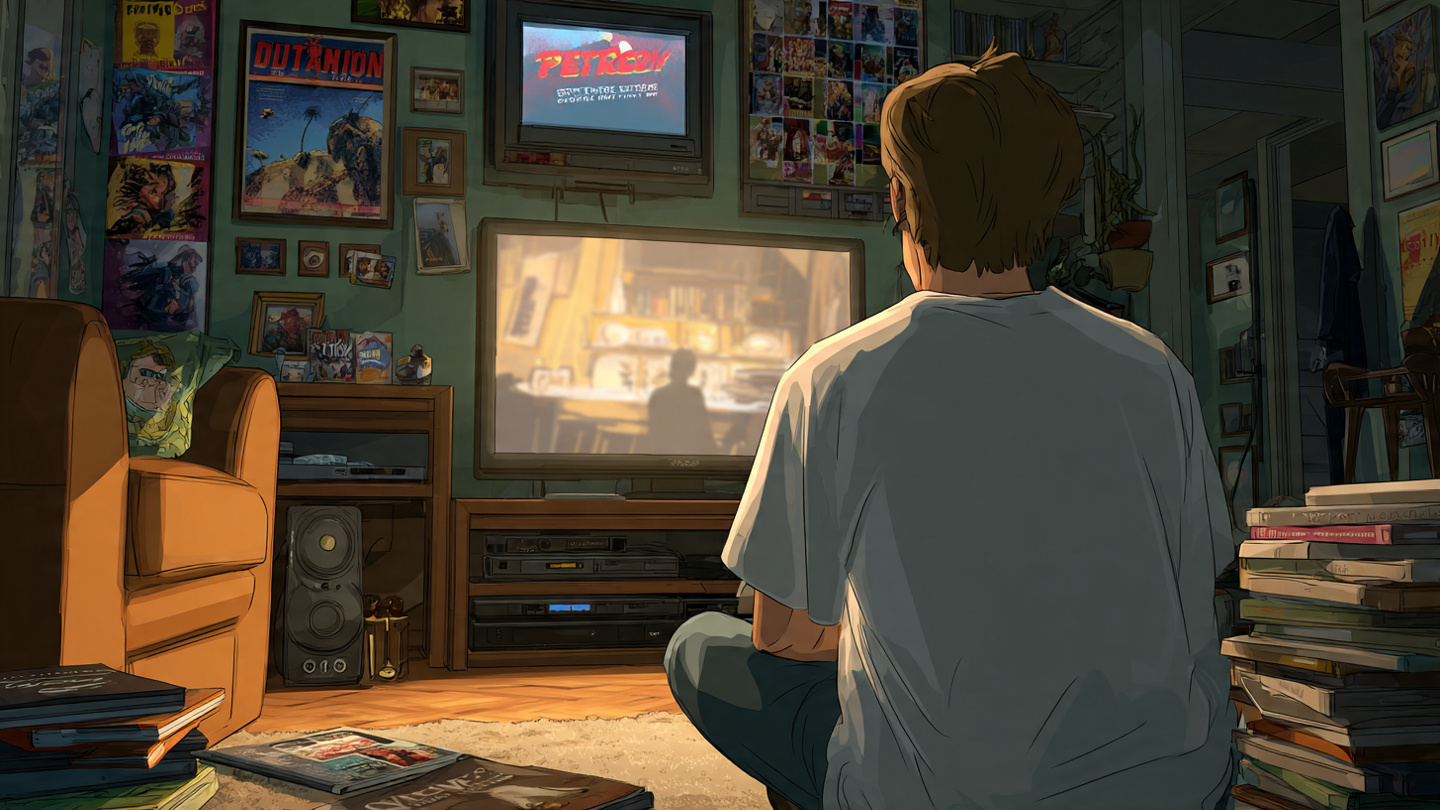
Some movies fade as trends move on. Others seem to settle into everyday life, becoming part of how people remember growing up, relaxing, or learning what stories can feel like. Many films from the 1990s belong to that second group. They are not only remembered; they are revisited.
These movies still play on living room screens, appear in streaming recommendations, and surface in conversations between people who watched them years apart. They feel familiar without feeling old, because they were built around emotions that do not expire.
The decade did not just create hits. It created companions.
✨ AI Insight:
As people return to films from the 1990s, these stories often feel less like nostalgia and more like emotional landmarks that quietly shaped everyday viewing habits.
Stories That Spoke to Everyone
One reason 90s films endure is their emotional clarity. Forrest Gump moves through history, yet its power comes from innocence and resilience rather than events. Viewers return not for surprise, but for reassurance.
The Shawshank Redemption unfolds slowly, trusting patience. It becomes less about prison and more about hope. Each rewatch feels like a reminder rather than a revelation.
These stories do not depend on era. They depend on feeling. Loss, perseverance, and kindness remain recognizable across time.
Characters That Feel Like Real People
Many 90s films created characters who felt lived in rather than performed. In Good Will Hunting, Matt Damon’s Will carries insecurity behind brilliance, while Robin Williams’ therapist hides pain behind calm.
Their conversations feel overheard, not scripted. The film’s power lives in vulnerability rather than triumph. It ages well because it does not chase perfection.
In Before Sunrise, Ethan Hawke and Julie Delpy simply walk and talk. Their connection grows through presence rather than plot. The film feels just as natural now as it did then.
These characters change as the viewer changes. They grow alongside life.
Romance Without Illusion
Romantic films from the 90s often avoided fantasy. Titanic wrapped love in spectacle, yet grounded it in choice and consequence. Rose’s journey remains about identity as much as romance.
Jerry Maguire framed connection as growth. Tom Cruise’s character does not win through charm, but through change. Love becomes something earned rather than idealized.
These stories endure because they reflect vulnerability. Romance feels human rather than perfect, making it easier to return to without disappointment.
Humor That Still Lands
Comedy often dates quickly, yet some 90s comedies remain fresh because they are built on character rather than trend. The Big Lebowski is endlessly quotable because its humor grows from personality.
Jeff Bridges’ Dude is not tied to fashion. He is a type. His confusion and calm remain relatable. The film becomes comfort rather than novelty.
Groundhog Day uses repetition to explore change. Its humor becomes philosophy. Each rewatch reveals a new layer of meaning beneath the joke.
These films last because they are about behavior, not references.
Sci-Fi That Asked Human Questions
Science fiction from the 90s often explored identity rather than gadgets. The Matrix questioned reality, choice, and control. Its action remains stylish, but its questions remain relevant.
Jurassic Park blended wonder with responsibility. The dinosaurs still impress, yet the film’s warning about unchecked ambition feels even clearer now.
These stories endure because they do not depend on prediction. They explore uncertainty, which never becomes outdated.
Animation That Spoke Across Ages
Toy Story changed animation by treating toys as emotional beings. Its story about belonging and change feels universal.
The Lion King framed loss and growth through myth. Children saw adventure. Adults felt grief and responsibility.
These films were never only for children. They spoke across age, allowing families to share meaning without realizing it.
Animation became memory rather than genre.
Dialogue That Feels Unscripted
In Pulp Fiction, conversation becomes narrative. Ordinary talk feels electric. Characters pause, digress, and argue like real people.
The film does not rush. It listens. Its rhythm feels human rather than manufactured, which keeps it from aging.
Language becomes character. The movie remains alive because it observes behavior rather than trend.
Why These Films Still Work
Timelessness comes from emotional honesty. These movies explore belonging, fear, hope, and identity without rushing to resolution.
They trust stillness. They leave space. They invite return rather than demand attention.
A film that leaves room becomes a companion rather than a product. It grows with the viewer instead of competing with time.
How Rewatching Changes Them
On a second viewing, Forrest Gump feels less about history and more about kindness. The Shawshank Redemption becomes less about escape and more about endurance.
Before Sunrise becomes less about romance and more about presence. Toy Story becomes less about play and more about change.
The movies remain the same. The relationship changes. Each return feels like a conversation rather than repetition.
The Role of Home Viewing
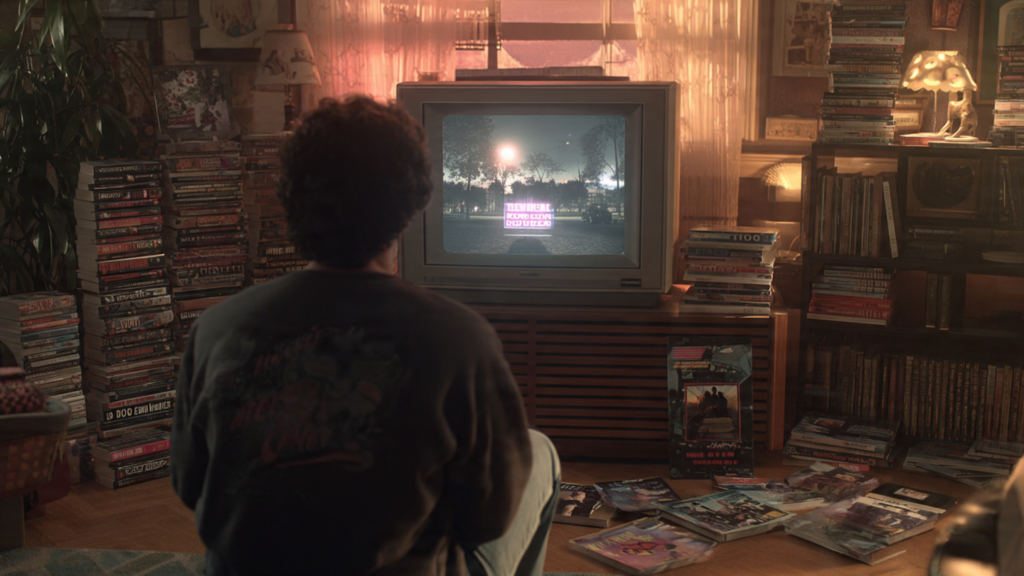
The 90s coincided with the rise of home media. These films lived on tapes and discs, playing during quiet nights and shared afternoons.
They became routine. They became comfort. Repetition built intimacy, allowing stories to settle into daily life.
Timelessness grew through familiarity. These films became part of rhythm rather than event.
Cultural Memory in Motion
These movies shaped how stories felt. They influenced pacing, tone, and emotional honesty in modern cinema.
Today’s films still echo them. The balance between spectacle and intimacy remains their legacy.
They taught audiences how to feel. They taught filmmakers how to speak.
The Classics That Remain
For many, classic 90s films include Forrest Gump, The Shawshank Redemption, Titanic, The Matrix, Good Will Hunting, Before Sunrise, The Lion King, Toy Story, and The Big Lebowski.
These are not just titles. They are evenings remembered. They are lines quoted. They are emotions revisited.
They remain because they were built on truth.
They do not belong to a decade.
They belong to people.