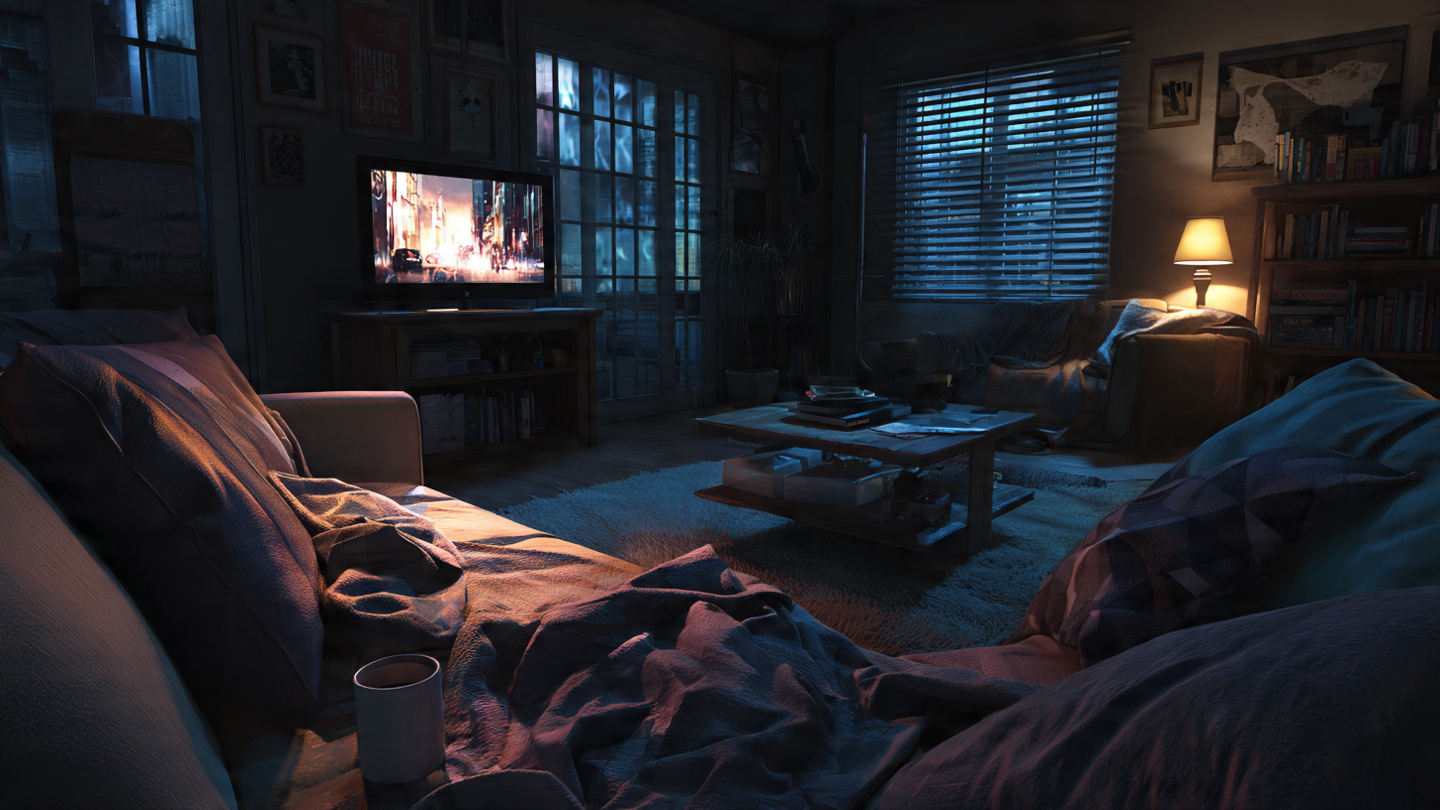
Some movies feel less like stories and more like places. Returning to them feels similar to stepping into a familiar room, where the rhythm is known and nothing unexpected is waiting around the corner. The scenes unfold gently, the endings are remembered, and the experience becomes calming rather than demanding.
These films were not only watched once. They lived in everyday life. They played during homework, quiet evenings, and long weekends. Over time, they stopped feeling like entertainment and began to feel like emotional spaces.
Comfort does not come from surprise. It comes from recognition.
✨ AI Insight:
As rewatching becomes part of everyday routines, certain films gradually shift from being stories to becoming emotional environments that help regulate mood and memory.
Familiarity Without Pressure

Comforting movies remove the need for alertness. The viewer knows what will happen, so there is no tension about outcome. The mind relaxes.
In Forrest Gump, the journey is already known, yet each return feels gentle. The story unfolds without urgency. In The Shawshank Redemption, suspense gives way to patience. The ending is no longer awaited. It is welcomed.
These films invite presence rather than attention. They allow the viewer to rest inside the story instead of chasing it.
Emotional Safety Through Structure
Many comforting films follow a clear and steady rhythm. Their structure feels reliable, and that reliability becomes soothing.
Back to the Future moves with balance. Each moment leads naturally to the next. Knowing the pattern makes the experience reassuring. Home Alone repeats a familiar arc: disruption arrives, ingenuity responds, warmth returns.
The structure becomes a promise. No matter what happens, resolution is coming. That certainty feels safe.
Characters Who Feel Like Companions
Repeated viewing builds relationship. Characters stop being observed and begin to feel known.
In The Princess Bride, Westley’s sincerity and Inigo’s devotion become familiar traits. Their reactions are anticipated. In Clueless, Cher’s voice feels recognizable. Her growth feels personal rather than scripted.
These figures feel present. They do not surprise. They accompany. Watching becomes visiting. The film becomes a social space.
Dialogue That Lives Beyond the Screen
Comforting movies often contain lines that leave the film and settle into daily life.
“Life is like a box of chocolates.”
“As you wish.”
“You’re killing me, Smalls.”
These phrases become emotional shorthand. Quoting them feels like recalling a friend. Language becomes memory, and the movie continues outside itself.
Animation That Holds Emotion Gently
Animated films often provide comfort because they combine emotional clarity with visual warmth.
Toy Story speaks about change and belonging in a way that remains gentle. Children see adventure. Adults feel transition. Finding Nemo balances fear with hope, making the ocean feel vast yet safe.
Animation does not age in the same way realism does. It feels timeless, allowing comfort to endure across years.
Music That Brings It All Back
Soundtracks often carry the strongest emotional memory. A few no
tes from Titanic or The Lion King can reopen entire scenes instantly.
Music bypasses logic. It brings the story back in seconds. Hearing a theme feels like returning to a place.
The movie lives in sound as much as image.
The Role of Home Viewing
Comfort is built through repetition. The rise of VHS and DVD turned movies into household objects.
Films played during dinners. They ran while homework was done. They filled quiet spaces. They were not events. They were environment.
Cinema moved into daily rhythm, and stories became part of routine.
Films That Grow With You
Some movies feel different at different stages of life.
Good Will Hunting speaks differently at sixteen than at thirty. Groundhog Day reveals new meaning with each return.
The film does not change. The viewer does. Rewatching becomes reflection, and comfort comes from continuity.
Why Repetition Feels Soothing
Rewatching reduces cognitive effort. The brain does not need to predict. Emotion becomes familiar. Stress lowers.
The story becomes predictable in the best way. It becomes safe.
These films are returned to during change, stress, and quiet. They become emotional shelter.
Cultural Anchors
Comforting movies often become shared reference.
The Big Lebowski becomes philosophy. Mean Girls becomes shorthand. Harry Potter becomes belonging.
These films unify. They provide common language. They become cultural furniture.
Movies as Emotional Spaces
Repeated films stop being content. They become places.
They occupy inner shelves. They sit beside memory. They feel present even when not playing.
They become part of emotional architecture.
The Quiet Power of Return
Comforting movies are not always the greatest films ever made.
They are the ones that fit. They meet people where they are. They do not demand. They offer.
They remain because they were built for return.
They become part of life.