Watching a 90s movie today feels different than it did years ago. The stories remain the same, yet the way they land has changed. Scenes once watched casually now feel layered with memory, emotion, and quiet recognition.
These films no longer belong only to entertainment. They carry the weight of time. They arrive with echoes of who viewers were when they first saw them, and who they have become since.
The movies did not change. The audience did.
✨ AI Insight:
As people revisit 90s films in modern routines, these stories often feel deeper and more personal, revealing how meaning grows when memory and experience begin to overlap.
A Slower Rhythm in a Faster World
One of the first things noticed when returning to 90s movies is their pace. Scenes breathe. Conversations unfold without urgency. Silence is allowed to exist.
In today’s content-driven environment, stories often move quickly to hold attention. The 90s trusted stillness. Films like Before Sunrise or Forrest Gump let moments settle.
That calm now feels rare. The slower rhythm becomes comforting, creating space rather than demand.
What once felt normal now feels intentional.
Emotion Without Explanation
Many 90s films allow emotion to exist without constant clarification. Characters pause. They hesitate. They feel without explaining why.
In Good Will Hunting, vulnerability appears in silence as much as dialogue. In The Shawshank Redemption, hope grows through patience rather than speech.
Modern storytelling often explains feeling. The 90s often let it linger. That restraint now feels powerful.
Emotion lands differently when it is not guided.
Characters Who Feel Human
90s films often center on imperfect people. They are unsure, awkward, and emotionally exposed.
Tom Hanks’ Forrest is gentle rather than heroic. Ethan Hawke’s Jesse is uncertain rather than confident. Even action heroes like Keanu Reeves’ Neo feel unsure before becoming strong.
These characters feel closer now because life has revealed its own complexity. Their struggles feel less cinematic and more familiar.
The distance between screen and self narrows.
Stories That Trusted the Viewer
These films rarely rush to teach. They show rather than instruct.
The Matrix asks questions without answering them fully. Titanic allows choice to carry meaning rather than speech. Jurassic Park lets awe coexist with warning.
Modern films often guide interpretation. The 90s trusted audiences to feel and think.
That trust now feels refreshing.
Nostalgia That Feels Honest
Rewatching 90s films is not only about remembering. It is about recognizing who one used to be.
A scene from Toy Story now feels like a reflection on growing up. The Lion King feels less like adventure and more like responsibility.
These movies become mirrors. They reflect both the past and the present.
Nostalgia becomes conversation rather than escape.
A Sense of Shared Time
90s movies arrived in an era of shared viewing. Families gathered. Friends rented tapes. School conversations followed.
Watching them now recalls that collective experience. They carry a memory of togetherness.
In a fragmented viewing culture, that feeling becomes noticeable. The films feel communal even when watched alone.
They remind viewers of watching together.
Dialogue That Feels Natural
The way characters speak in many 90s films feels unforced. Conversations wander. People interrupt. Silence exists.
Pulp Fiction made ordinary talk cinematic. Clerks turned everyday speech into story.
Modern dialogue often feels optimized. The 90s felt observed.
That naturalism now feels grounding.
Why They Feel Deeper With Age
Life adds context. Loss, change, responsibility, and growth reshape perception.
Forrest Gump becomes less about history and more about kindness. The Shawshank Redemption becomes less about escape and more about endurance.
The films remain unchanged. The viewer brings new experience.
Meaning grows without being added.
The Comfort of Imperfection
90s movies often carry visible seams. Practical effects, grain, and pacing show their age.
Instead of distracting, these qualities humanize them. They feel made, not manufactured.
In a polished digital era, imperfection feels honest.
The films breathe.
The Emotional Aftertaste
After a 90s film ends, something lingers. Not suspense. Not excitement.
A mood remains.
The story settles rather than vanishes.
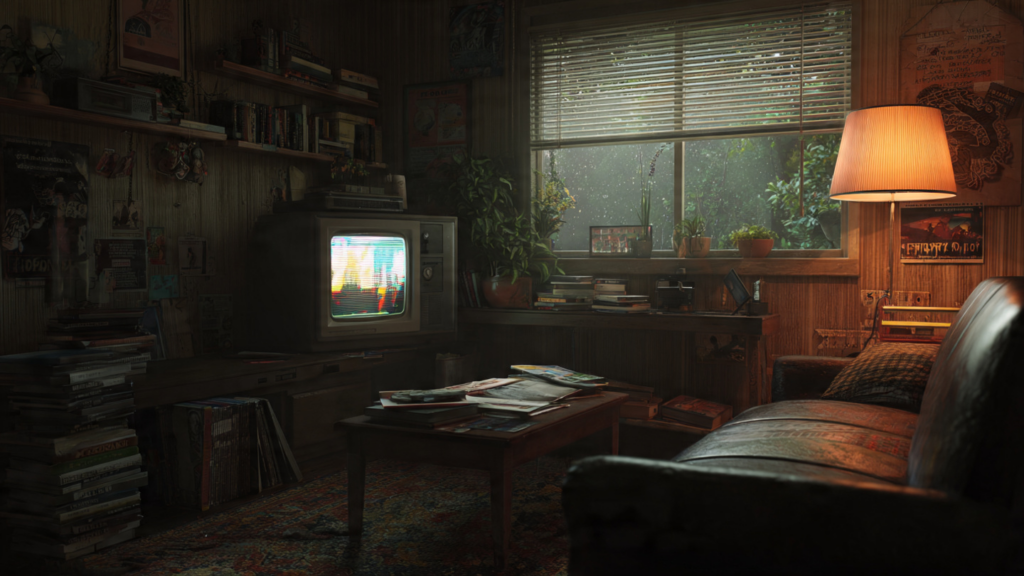
That aftertaste is rare today.
It is remembered.
Why They Matter Now
These films matter because they offer contrast.
They show that stories can be patient.
They prove that silence can speak.
They remind viewers that emotion does not need speed.
They allow presence.
They feel different because life feels different.
And in that difference, they feel more meaningful.