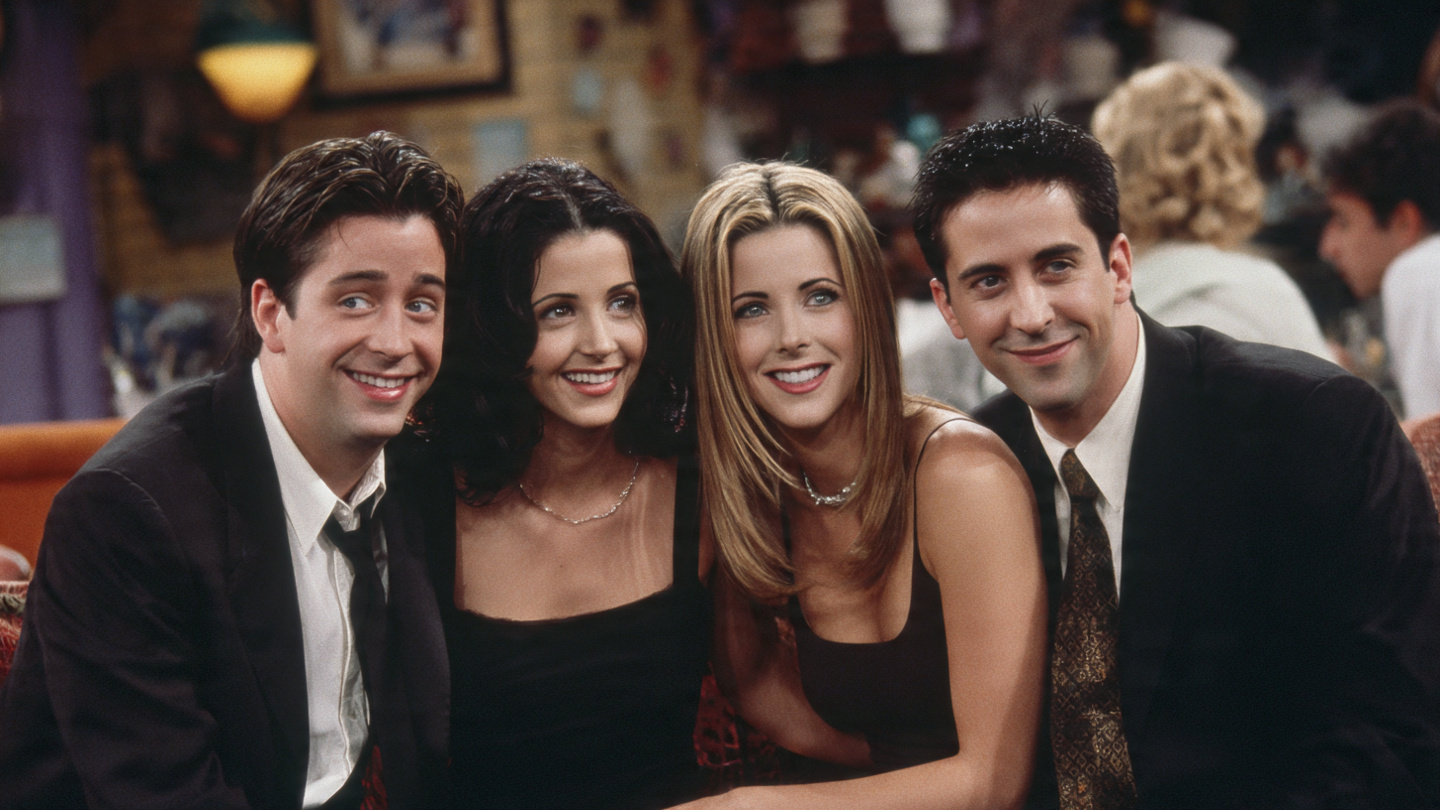
Some television shows do more than entertain. They quietly reshape how people talk, dress, joke, and think. Long after episodes end, their influence remains visible in everyday language, shared references, and social behavior.
These series become cultural landmarks. They define moods, reflect values, and give entire generations a common rhythm. Pop culture does not simply borrow from them. It grows around them.
They shape how an era feels.
✨ AI Insight:
As people revisit these series through modern streaming habits, their cultural influence becomes clearer, revealing how entertainment slowly turns into shared identity over time.
When Television Became a Cultural Mirror
Shows that shape pop culture often reflect everyday life with clarity. They capture how people speak, connect, and struggle in ways that feel immediate.
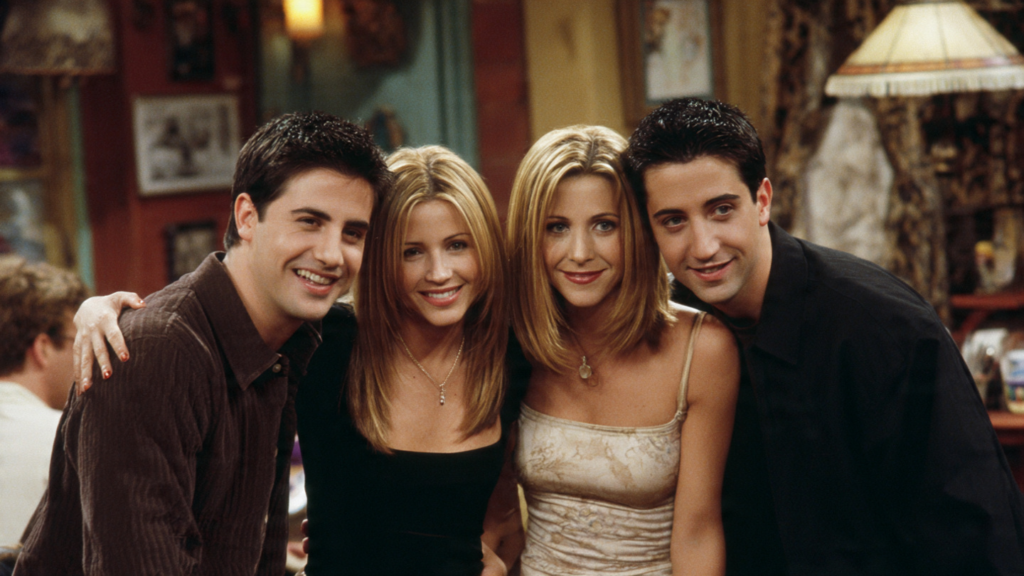
Friends turned young adulthood into a shared experience. The Fresh Prince of Bel-Air reframed family and identity through humor. Seinfeld made ordinary frustration visible.
These shows did not exaggerate life. They observed it. That observation allowed viewers to recognize themselves on screen.
Television became a mirror rather than a spectacle.
Language That Entered Daily Life
One of the clearest signs of cultural impact is language. Catchphrases and expressions migrate from screen to street.
“How you doin’?”
“No soup for you.”
“Did I do that?”
These lines became emotional shortcuts. They carried humor and context instantly.
Pop culture absorbed them because they felt natural. They became part of how people spoke.
Fashion That Became Identity
Certain shows influenced how people dressed and presented themselves. Rachel Green’s hairstyle became a global reference. Will Smith’s wardrobe made confidence visible.
Clothing on screen became aspiration. It shaped how viewers imagined themselves.
Style became storytelling. Television guided how identity looked.
The influence extended beyond the screen.
Humor That Redefined Tone
Pop culture changes when humor changes. Shows like The Office and Parks and Recreation reshaped comedy through awkwardness and warmth.
Jokes became quieter. Pauses became punchlines. Kindness became funny.
This tone spread across media. Advertising, social content, and conversation adapted.
Television did not follow humor.
It led it.
Characters as Cultural Archetypes
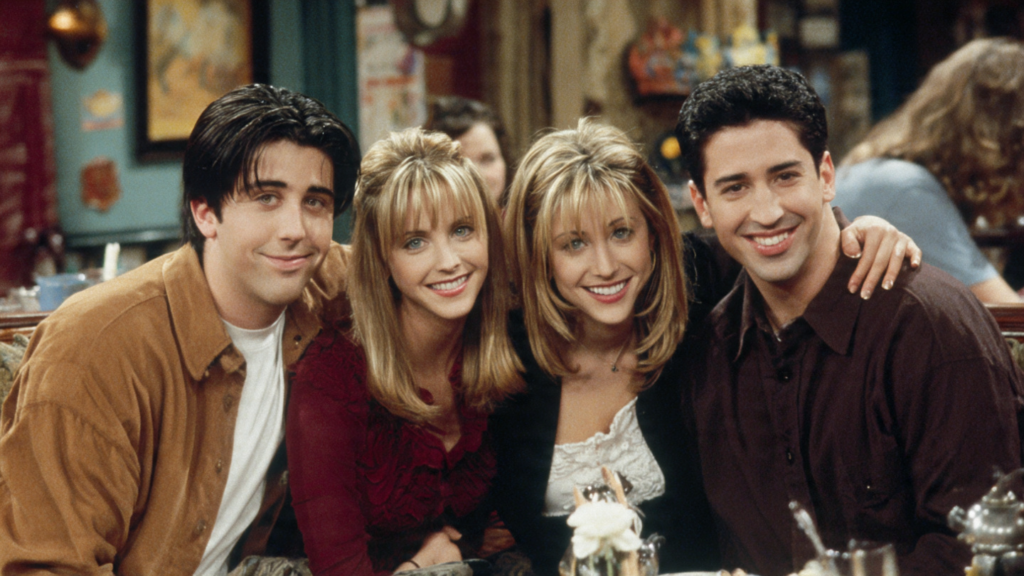
Some characters become types rather than roles. The awkward coworker. The overconfident friend. The sarcastic observer.
Michael Scott, Chandler Bing, and George Costanza feel familiar even outside their shows.
These figures shape how people understand personality. They become reference points.
Pop culture learns from them.
Shared Viewing as Social Glue
Before on-demand viewing, these shows were watched together. Entire groups experienced the same moment.
Cliffhangers became conversation. Jokes needed no explanation.
This shared rhythm created unity. A show could define a week.
Pop culture grew from common experience.
Storytelling That Shifted Expectations
Certain series redefined how stories were told. The Sopranos blurred hero and villain. Lost made mystery communal.
Viewers learned to expect complexity. Characters could be flawed. Endings could be uncertain.
This shift influenced how stories across media were shaped.
Television taught audiences to think differently.
Music as Cultural Trigger
Theme songs from these shows became emotional signals. A few notes could trigger recognition.
The opening of Friends or The X-Files still evokes immediate response.
Sound became memory.
Pop culture learned how to feel.
Why These Shows Still Influence
They remain relevant because they were built on human behavior. Friendship, ambition, insecurity, and belonging do not expire.
Modern content still echoes their structure, tone, and rhythm.
These series taught culture how to talk to itself.
They still speak.
The Shows That Left a Mark
For many, pop culture–defining series include:
Friends
The Fresh Prince of Bel-Air
Seinfeld
The Office
The Sopranos
The X-Files
Parks and Recreation
Lost
These are not only programs.
They are reference points.
They are shared language.
They are cultural memory.
They shaped pop culture because they shaped how people saw themselves.