Some movies do not just remind people of growing up. They are growing up. Watching them again feels like opening a drawer full of old notebooks, toys, and half-forgotten dreams. The screen lights up, and a younger version of life quietly returns.
These films were not only watched. They were lived with. They played on weekends, during holidays, and on afternoons when time felt endless. Over time, they became part of memory rather than entertainment.
They feel like childhood because they helped shape it.
✨ AI Insight:
As people revisit the films they loved early in life, these stories often act like emotional shortcuts, instantly reconnecting them to how the world once felt.
The First Sense of Wonder
Many childhood-defining films introduce wonder in a way nothing else can. Jurassic Park made dinosaurs feel real. Harry Potter and the Sorcerer’s Stone made magic feel possible.
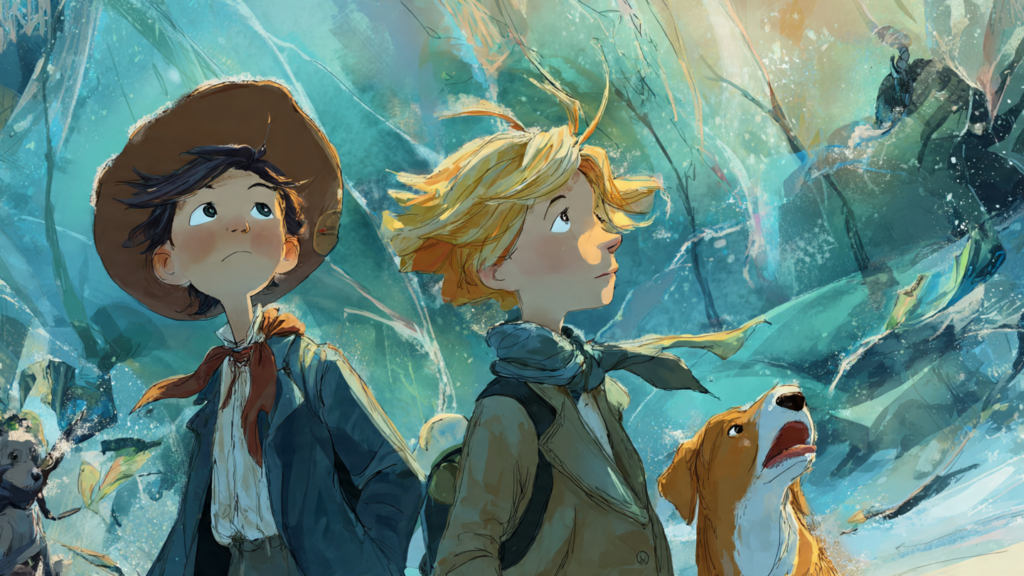
These movies did not just show new worlds. They suggested that ordinary life could hide something extraordinary. The screen became a doorway rather than a boundary.
That feeling of discovery stays long after the story ends.
Characters Who Felt Like Friends
Childhood films often create characters who feel personal. Simba, Woody, Kevin McCallister, and Hermione Granger become companions rather than performers.
Their fears mirror real ones. Their courage feels achievable. Their journeys feel shared.
Watching them again feels like meeting someone remembered rather than discovered. The story becomes relationship.
Stories That Taught Emotion Gently
These films introduce complex feeling in safe ways. The Lion King teaches loss without cruelty. Toy Story explores belonging without heaviness.
Children learn sadness, hope, and change inside stories that feel warm. Emotion arrives wrapped in adventure.
These movies become the first language of feeling.
Ritual and Routine
Childhood films were rarely one-time experiences. They became part of rhythm.
Home Alone meant winter. Matilda filled quiet afternoons. Back to the Future owned weekends.
They played during snacks and sleepovers. They became part of the room.
Cinema became environment.
Lines That Entered Play
Many childhood movies live on through language.
“To infinity and beyond.”
“Just keep swimming.”
“Yer a wizard, Harry.”
These lines moved into games, jokes, and imagination. Quoting them felt like belonging.
The movie extended beyond the screen.
Worlds That Felt Visited
These films build places that remain vivid. Hogwarts, Pride Rock, Andy’s room, and Jurassic Park feel remembered.
They do not feel seen. They feel visited.
Returning to them feels like revisiting a childhood neighborhood. Space itself holds memory.
Safety in Structure
Childhood films often follow reassuring patterns. Trouble appears. Courage responds. Warmth returns.
The rhythm teaches that problems can be faced. That uncertainty can resolve.
Knowing the ending does not weaken comfort. It strengthens it.
The story becomes safe.
How These Films Change Over Time
Rewatching reveals new layers.
Toy Story becomes about growing up.
Finding Nemo becomes about letting go.
Harry Potter becomes about belonging.
The film does not change.
The viewer does.
Shared Memory Across Generations
These movies travel across age. Parents share The Lion King. Siblings introduce Back to the Future. Friends rediscover Home Alone.
The story becomes collective.
Childhood becomes something shared.
Why They Stay Close
These films remain because they are emotionally honest. They are warm, clear, and sincere.
They do not overwhelm. They invite return.
They feel like places the mind already knows.
That familiarity becomes comfort.
The Movies That Feel Like Childhood
For many, these include:
The Lion King
Toy Story
Harry Potter and the Sorcerer’s Stone
Jurassic Park
Home Alone
Finding Nemo
Back to the Future
Matilda
These are not just titles.
They are mornings remembered.
They are holidays revisited.
They are early versions of self.
They feel like childhood because they helped create it.
They remain because childhood never fully leaves.
Image Guidance
- Type: Featured nostalgic hero image
- What it should show: A softly lit room that feels like a child’s space from the past—perhaps a small bed or couch with a blanket, scattered toys or books, and a TV playing a familiar animated or adventure movie scene. The room should feel warm, quiet, and timeless.
- Intent: The image should instantly evoke early-life memory and emotional warmth, making readers feel they are about to step back into a moment from growing up. It should stop scrolling through recognition rather than spectacle.
- Reminder: Avoid polished studio lighting or promotional stills. The scene must feel lived-in and gentle, suitable as a featured image that visually communicates “this feels like childhood.”