Some movies never really leave. They stay in memory, in conversation, and in quiet moments when a familiar scene suddenly feels comforting. Retro favorites do not depend on surprise. Their power comes from recognition.
These films were watched during school breaks, family nights, and long weekends. Over time, they became part of personal history rather than just entertainment. Pressing play today feels less like watching and more like remembering.
They are loved because they carry time inside them.
✨ AI Insight:
As people return to familiar films over the years, certain stories quietly become emotional anchors, reconnecting viewers with how life once felt in simple, immediate ways.
When Movies Became Moments
Retro favorites often mark specific phases of life. Home Alone feels like winter. Back to the Future feels like possibility. Forrest Gump feels like reflection.
These movies did not exist in isolation. They were tied to afternoons, holidays, and growing up. Watching them again does not only replay the story. It reopens a chapter of life.
The film becomes a timestamp.
Characters That Feel Remembered
Many of these movies created characters who feel personal rather than fictional. Simba, Marty McFly, Woody, and Kevin McCallister feel known.
Their reactions are anticipated. Their growth feels shared. Watching them again feels like meeting someone remembered rather than discovered.
The story becomes relationship.
Music That Opens Memory
Retro movies often begin with sound that instantly changes mood. A few notes from The Lion King, Titanic, or Jurassic Park bring entire scenes back.
Music bypasses thought. It moves straight to feeling. The body remembers before the mind does.
The movie arrives emotionally before it arrives visually.
Worlds That Stay Vivid
These films build places that linger. Hogwarts, Pride Rock, the park in Jurassic Park, and Andy’s room feel visited rather than seen.
They become part of inner geography. Returning to them feels like revisiting a childhood neighborhood.
Space itself holds memory.
Dialogue That Lives Beyond the Screen
Retro favorites often leave behind lines that refuse to stay in the film.
“To infinity and beyond.”
“Life is like a box of chocolates.”
“Roads? Where we’re going, we don’t need roads.”
These phrases enter daily life. Quoting them becomes a way of remembering together.
The movie continues in conversation.
The Comfort of Knowing What Comes Next
Nostalgia thrives on predictability. Knowing what will happen does not reduce enjoyment. It deepens it.
The mind relaxes. There is no need to prepare for surprise. The story becomes safe.
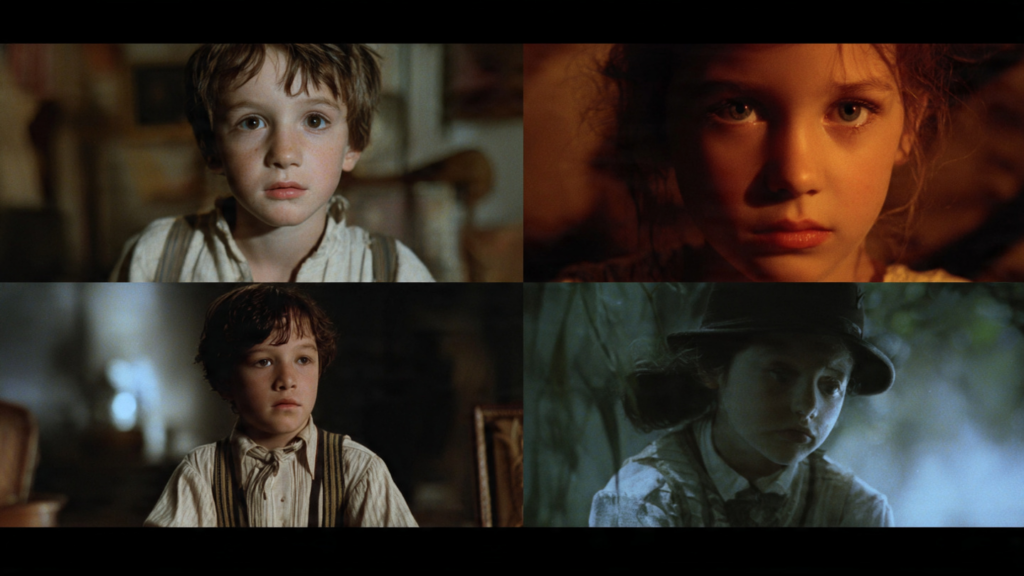
These films become emotional shelter in moments that need certainty.
How These Movies Change With Age
Retro favorites grow alongside viewers. Toy Story becomes about growing up. The Lion King becomes about responsibility.
What once felt like adventure becomes reflection. What once felt light becomes meaningful.
The film remains unchanged. The viewer does not.
Shared Memory Across Generations
These movies travel across age. Parents share E.T.. Siblings introduce Back to the Future. Friends rediscover Mean Girls.
The story becomes collective. Nostalgia becomes shared language.
Memory becomes something passed forward.
Why They Stay Loved
They stay loved because they are emotionally honest. They are warm, clear, and sincere.
They do not overwhelm. They invite return. They feel like places the mind already knows.
That familiarity becomes comfort.
The Movies People Always Return To
For many, retro favorites include:
Home Alone
The Lion King
Toy Story
Back to the Future
Jurassic Park
Forrest Gump
Harry Potter and the Sorcerer’s Stone
Mean Girls
These are not just titles.
They are afternoons remembered.
They are holidays revisited.
They are versions of self.
They remain because they were never only watched.
They became part of life.
Image Guidance
- Type: Featured nostalgic hero image
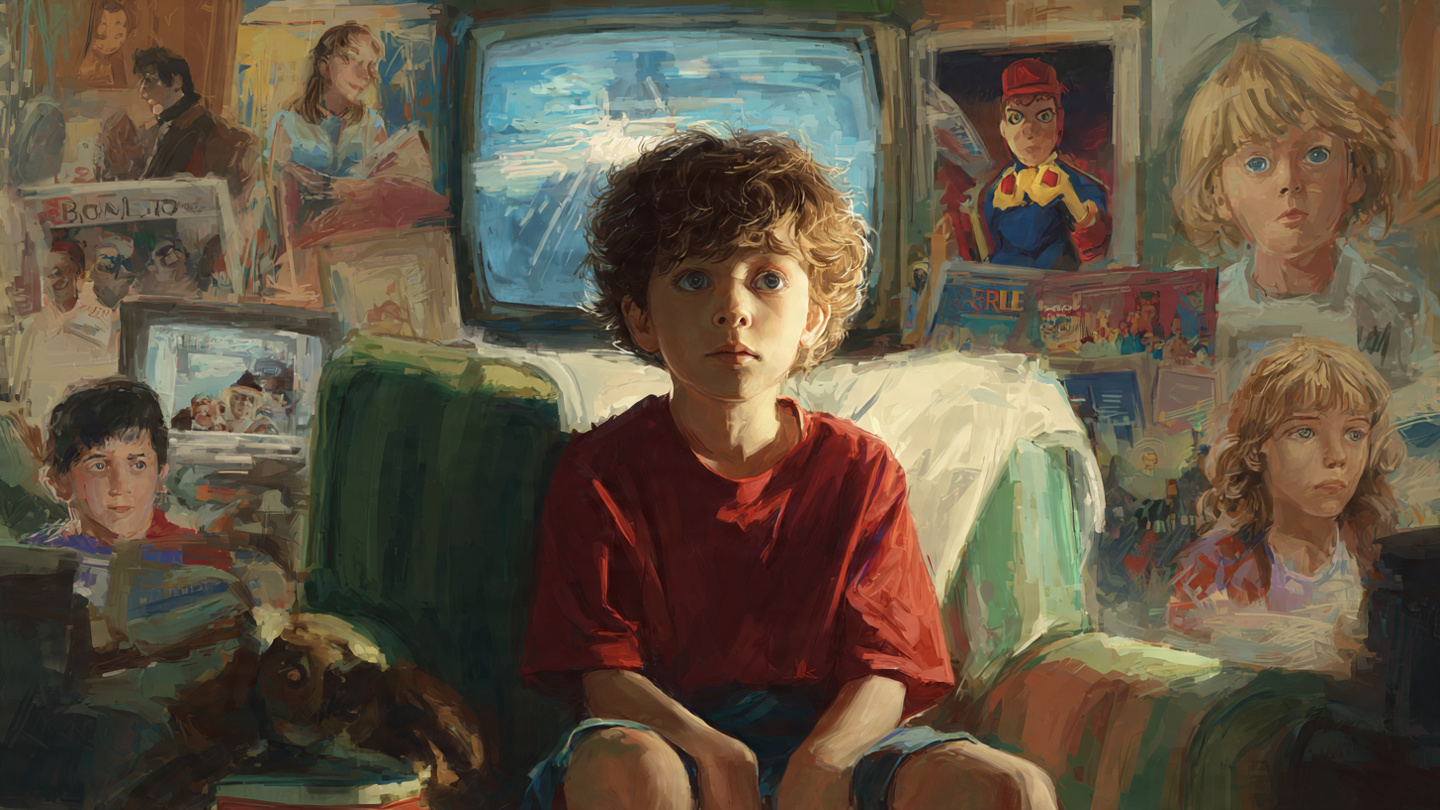
- What it should show: A cozy, slightly retro living room with warm evening light, a TV playing a recognizable 90s or early-2000s movie scene, and subtle details like VHS tapes, a game console, or old posters nearby. The space should feel paused in time.
- Intent: The image should instantly trigger nostalgia and emotional warmth, making viewers feel they are about to revisit a memory rather than watch a film. It should stop scrolling through recognition.
- Reminder: Avoid promotional stills or glossy modern styling. The scene must feel lived-in, real, and emotionally inviting, suitable as a featured image for a retro-movie article.