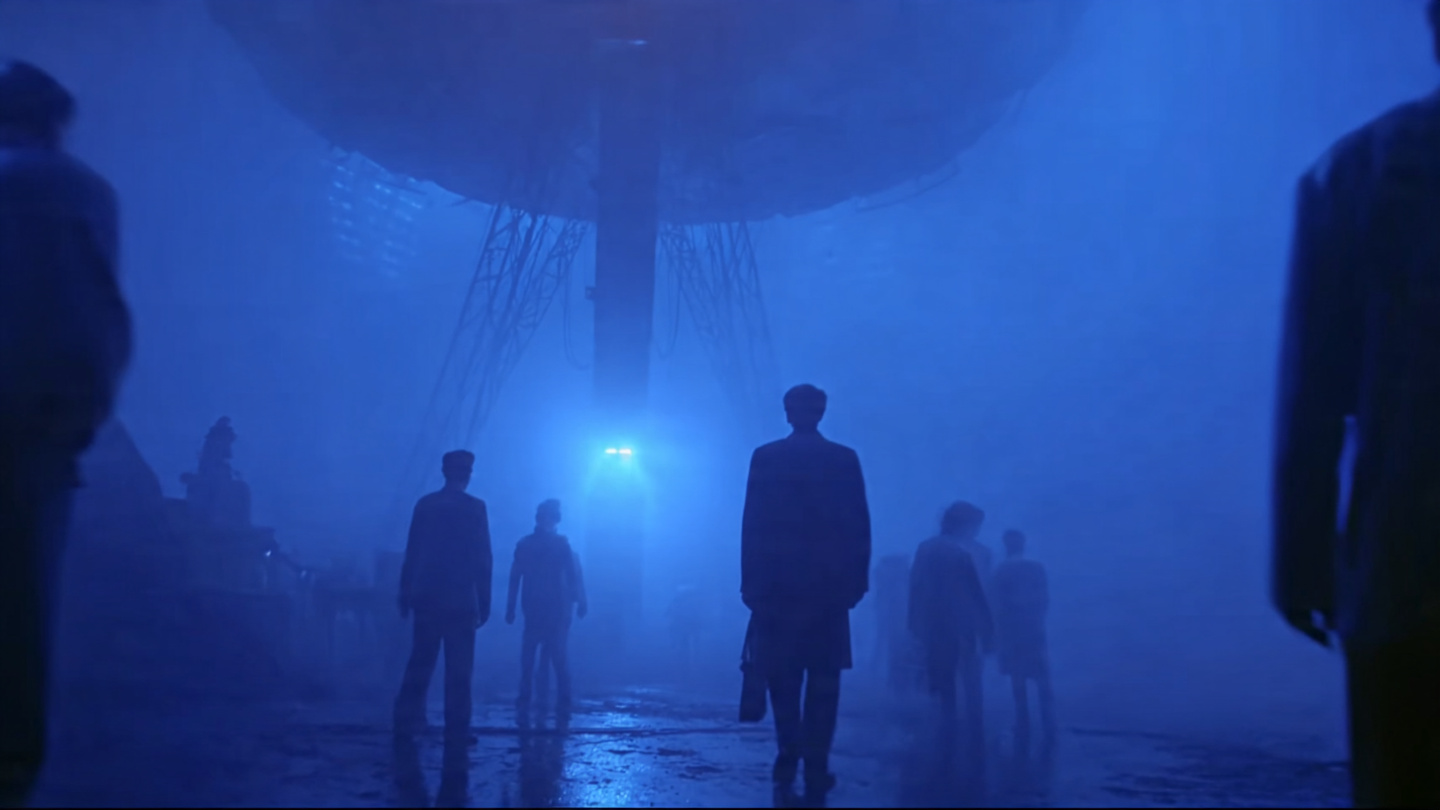
Every film has a moment that lingers longer than the rest. It might last only seconds, yet it reshapes how the entire story is remembered. Long after credits roll, that single scene becomes the film’s heartbeat.
In everyday life, these moments return in fragments. They surface while a movie plays in the background or when a familiar line drifts through a room. Over time, one scene becomes the way a whole film lives inside a home.
✨ AI Insight:
On-demand streaming and recommendation systems made it easier to revisit specific moments, turning iconic scenes into emotional anchors that reappear naturally within daily routines.
When a Film Finds Its Center
Most films move through many ideas, but one scene often gathers them into focus. It captures tone, theme, and feeling in a single gesture. Everything before leads toward it, and everything after echoes it.
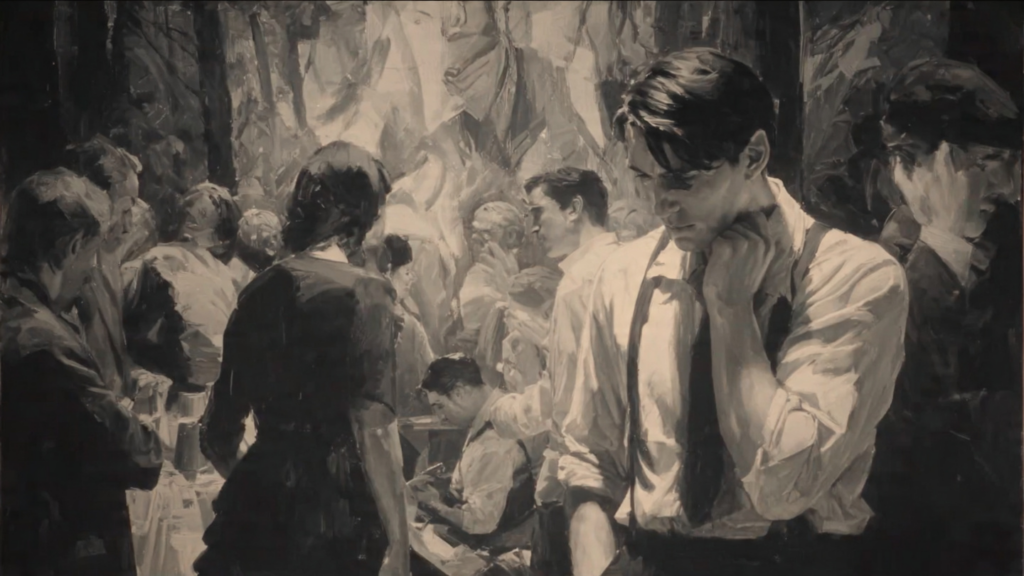
Viewers may forget subplots or minor characters, yet this moment stays intact. It becomes the reference point through which the film is understood.
How Scenes Outlive Stories
People rarely recall an entire narrative. They remember a look, a line, a pause. These fragments detach from the plot and take on a life of their own.
A room might carry the sound of that moment long after the screen dims. The scene becomes part of memory rather than merely part of a movie.
Domestic Repetition
At home, films are often rewatched in pieces. Someone stops at a favorite moment, then leaves the rest to play. The scene becomes ritual.
It no longer belongs only to the film. It belongs to the space where it is replayed. The living room absorbs its rhythm.
Emotional Shortcuts
A defining scene compresses feeling. It allows viewers to reach an emotion instantly without rewatching everything that led there.
In daily life, this efficiency matters. A familiar moment can restore calm, spark laughter, or invite reflection within minutes.
Shared Language
These scenes become cultural shorthand. A single frame or line can stand for an entire story. People reference them without explanation.
Within a home, this shorthand becomes intimate. Families and friends recognize meaning in a glance or a quote.
The Scene as Atmosphere
Even when not watched directly, a known scene changes how a room feels. Its music, pacing, or silence settles into the background.
The home gains a layer of narrative texture. The space feels inhabited by memory.
Technology and Selective Return
Modern interfaces allow viewers to skip directly to what matters most. The defining scene is no longer buried within runtime.
This selectivity reshapes relationship with film. The moment becomes a companion rather than a destination.
Why It Matters
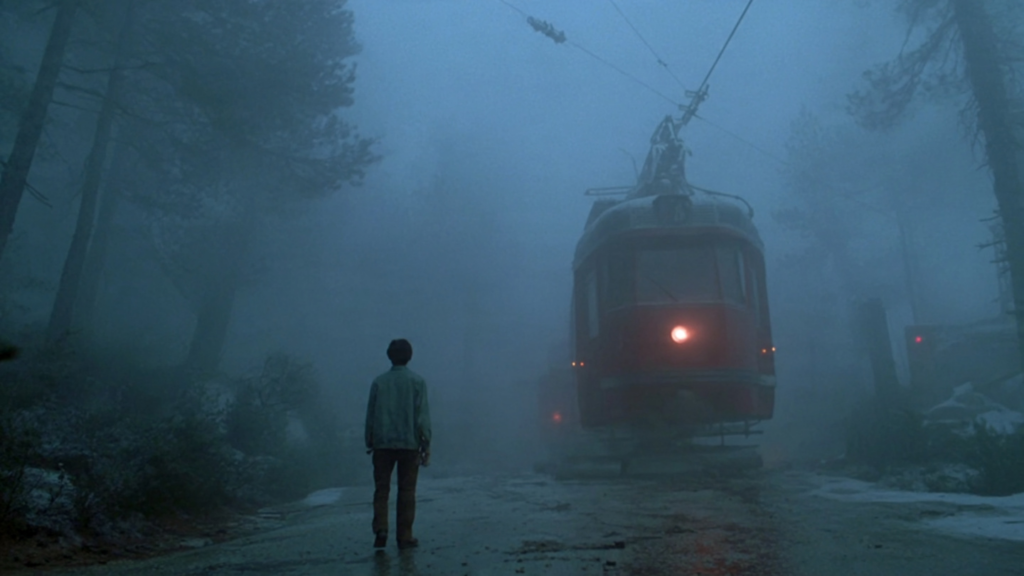
Homes are shaped by what repeats within them. A single scene, revisited over years, becomes part of a room’s identity.
It offers emotional continuity in changing circumstances. The film may age, but the moment remains steady.
That is why one scene can define an entire film. It is not only remembered. It is lived with.